THE ADVENTURE COLLECTIVE® · Independent discovery and booking for outdoor travel

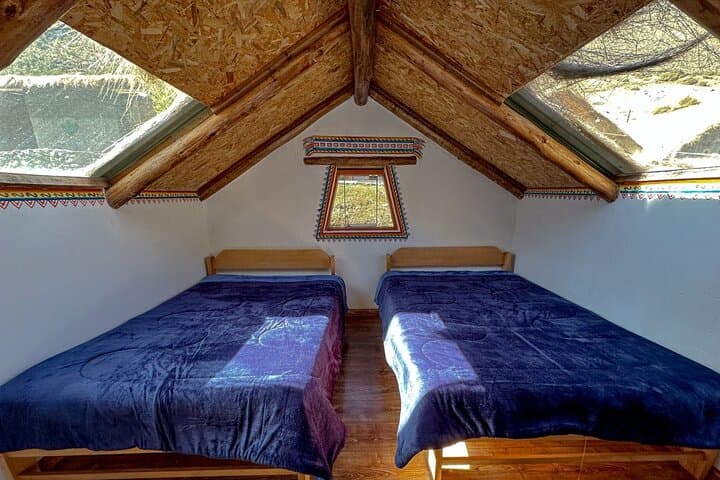
Cross glacier-carved ridges and cloud forest on the five-day Salkantay route from Cusco to Machu Picchu. Expect a 4,700 m pass, homestays, cabins and a 75 km multi-day trek that blends geology, Inca ruins and jungle descent.
Cross glacier-carved ridges and cloud forest on the five-day Salkantay route from Cusco to Machu Picchu. Expect a 4,700 m pass, homestays, cabins and a 75 km multi-day trek that blends geology, Inca ruins and jungle descent.
Dawn in Cusco is a thin, cold light as vans thread out toward Mollepata and the high slopes of the Vilcabamba range. By midmorning you stand at Soraypampa, boots on scree, and the massif of Salkantay looms—a glacier-fed wall that will demand each breath on the pass at roughly 4,700 m. Over five days the route crosses 75 km of Andes: alpine moraine, a high pass, cloud forest descent and a final walk along railway tracks into Aguas Calientes beneath the shadows of Machu Picchu.
Verified experiences and guided adventures in the surrounding area.
Operated by Machupicchu Jungle · Cusco, Cusco
Dawn in Cusco is a thin, cold light as vans thread out toward Mollepata and the high slopes of the Vilcabamba range. By midmorning you stand at Soraypampa, boots on scree, and the massif of Salkantay looms—a glacier-fed wall that will demand each breath on the pass at roughly 4,700 m. Over five days the route crosses 75 km of Andes: alpine moraine, a high pass, cloud forest descent and a final walk along railway tracks into Aguas Calientes beneath the shadows of Machu Picchu.
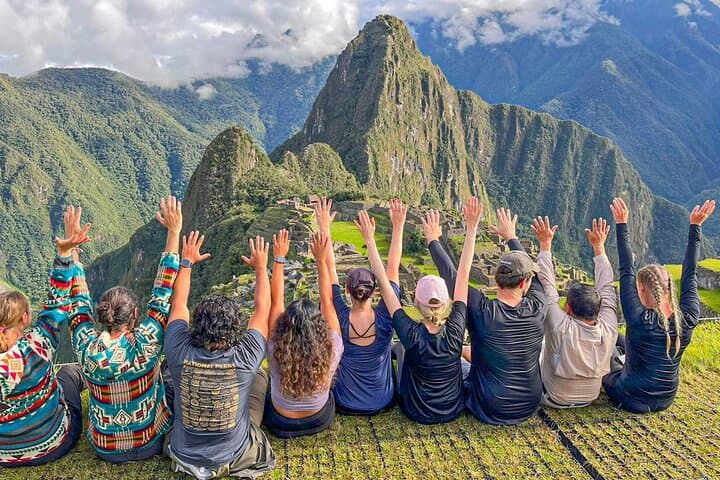
This corridor blends Inca history and dramatic geology. Salkantay (a Quechua word often translated “savage mountain”) is older than the Inca trail in human use and feeds rivers that shaped the Urubamba valley. Llactapata offers a direct line-of-sight to Machu Picchu and a reminder that these ridges were long-travelled. Local communities in Lucmabamba practice coffee agriculture and host trekkers in family houses, sharing both food and local knowledge.
Practical guidance: plan 3–5 days in Cusco beforehand to acclimatize, expect single-digit temperatures at night and intense sun at altitude, and limit your main pack to 5 kg (horses carry the rest). Sturdy waterproof boots, layered insulation, a quality rain shell and at least 2–3 liters of water capacity are essential. Move slowly on the ascent to the pass, keep hydrated, and listen to your guide—altitude, not steepness, is the real test. With preparation the Salkantay offers raw mountain terrain, jungle relief and a memorable approach to Machu Picchu.
challenging.
5 days.
Good aerobic fitness and prior multi-day hiking experience recommended; ability to hike 6–8 hours on steep, high-altitude trails.
This itinerary includes a guided visit to Machu Picchu with circuit 2A or 2B; confirm your ticket class during booking for any additional hikes like Huayna Picchu.
The technical difficulty is moderate, but altitude is the main challenge—move slowly, hydrate, and report symptoms to your guide immediately.
Horses transport shared camp gear and a 5 kg personal duffel; carry daily essentials (water, snacks, layers, camera) in your daypack.
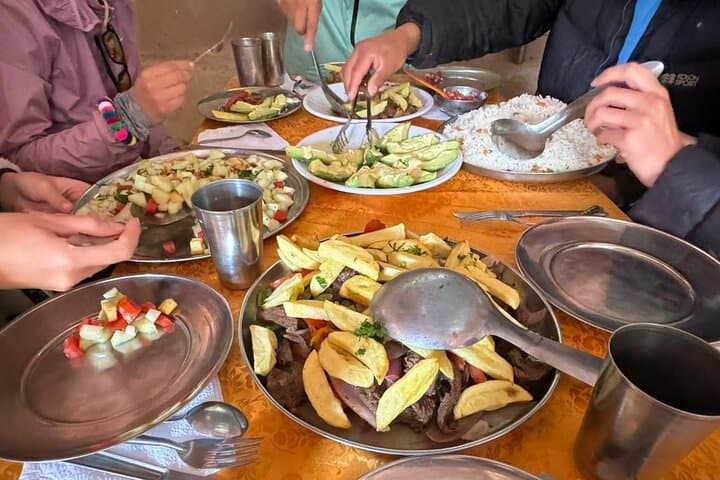
Yes—operators typically offer vegetarian and vegan meal options if requested in advance with no extra charge.
The route crosses pre-Inca and Inca-era pathways; Llactapata was an agricultural and lookout site linked visually to Machu Picchu.
Travelers are encouraged to pack out plastics and respect local water sources; supporting local homestays helps community conservation and sustainable tourism.
Machupicchu Jungle operates guided outdoor trips and adventures with an emphasis on safety, stewardship, and memorable experiences.
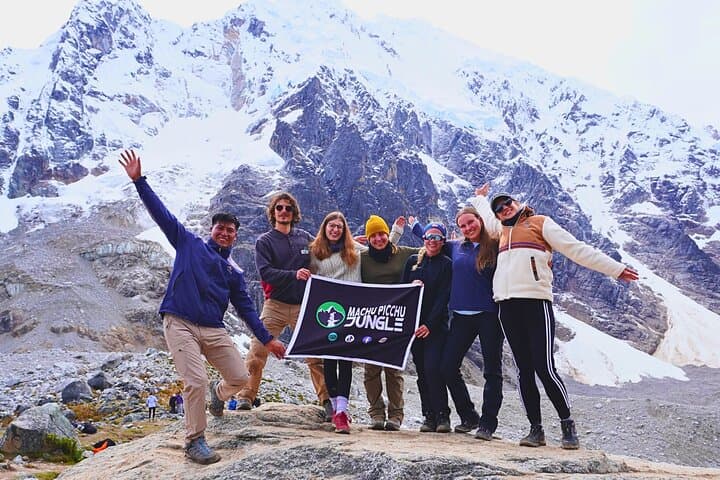
Dawn in Cusco is a thin, cold light as vans thread out toward Mollepata and the high slopes of the Vilcabamba range. By midmorning you stand at Soraypampa, boots on scree, and the massif of Salkantay looms—a glacier-fed wall that will demand each breath on the pass at roughly 4,700 m. Over five days the route crosses 75 km of Andes: alpine moraine, a high pass, cloud forest descent and a final walk along railway tracks into Aguas Calientes beneath the shadows of Machu Picchu.
Dawn in Cusco is a thin, cold light as vans thread out toward Mollepata and the high slopes of the Vilcabamba range. By midmorning you stand at Soraypampa, boots on scree, and the massif of Salkantay looms—a glacier-fed wall that will demand each breath on the pass at roughly 4,700 m. Over five days the route crosses 75 km of Andes: alpine moraine, a high pass, cloud forest descent and a final walk along railway tracks into Aguas Calientes beneath the shadows of Machu Picchu.
This corridor blends Inca history and dramatic geology. Salkantay (a Quechua word often translated “savage mountain”) is older than the Inca trail in human use and feeds rivers that shaped the Urubamba valley. Llactapata offers a direct line-of-sight to Machu Picchu and a reminder that these ridges were long-travelled. Local communities in Lucmabamba practice coffee agriculture and host trekkers in family houses, sharing both food and local knowledge.
Practical guidance: plan 3–5 days in Cusco beforehand to acclimatize, expect single-digit temperatures at night and intense sun at altitude, and limit your main pack to 5 kg (horses carry the rest). Sturdy waterproof boots, layered insulation, a quality rain shell and at least 2–3 liters of water capacity are essential. Move slowly on the ascent to the pass, keep hydrated, and listen to your guide—altitude, not steepness, is the real test. With preparation the Salkantay offers raw mountain terrain, jungle relief and a memorable approach to Machu Picchu.