THE ADVENTURE COLLECTIVE® · Independent discovery and booking for outdoor travel

A five-day route from Cusco over the Salkantay Pass to Machu Picchu that trades crowds for high mountain drama, cloud-forest descents and a raw sense of the Inca landscape. This guide explains what to expect—terrain, altitude, and practical gear to bring.
A five-day route from Cusco over the Salkantay Pass to Machu Picchu that trades crowds for high mountain drama, cloud-forest descents and a raw sense of the Inca landscape. This guide explains what to expect—terrain, altitude, and practical gear to bring.
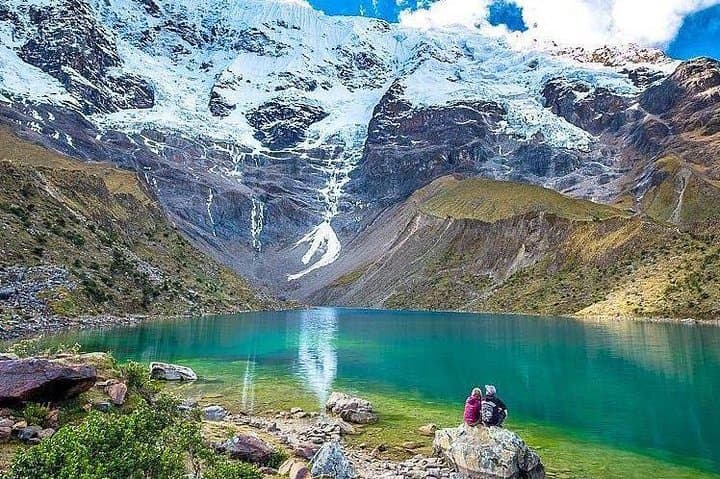
Dawn light cuts across high Andean air as your minivan snakes out of Cusco and up toward Soraypampa. Cold wind from Salkantay itself nudges you awake on the first trail; the mountain seems to test every step, its glaciers daring you to keep going. By the time you reach Humantay Lake the water flashes turquoise and the day’s altitude becomes a tangible presence—thin, sharp, and honest.
Verified experiences and guided adventures in the surrounding area.
Operated by Machupicchu Nice · Cusco, Cusco
Dawn light cuts across high Andean air as your minivan snakes out of Cusco and up toward Soraypampa. Cold wind from Salkantay itself nudges you awake on the first trail; the mountain seems to test every step, its glaciers daring you to keep going. By the time you reach Humantay Lake the water flashes turquoise and the day’s altitude becomes a tangible presence—thin, sharp, and honest.
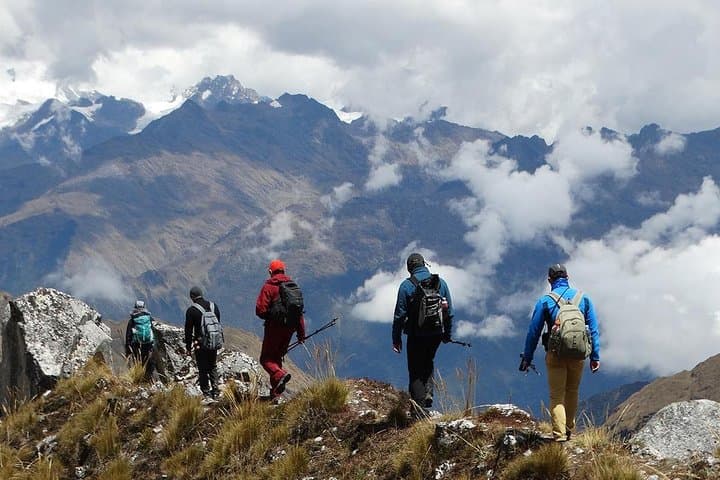
This route threads high puna, glacial moraine and gradual descent into the cloud forest, following both new trails and stretches of original Inca pathway. Geologically, the trek crosses the watershed between the Pacific and Amazon basins; Salkantay (6,271 m) towers as a glaciated sentinel shaped by tectonic uplift and erosion. Culturally, the track runs through communities that still honor the apu (mountain spirits) with offerings; Llactapata and other ruins signal the Inca legacy of observation stations and agricultural terraces.
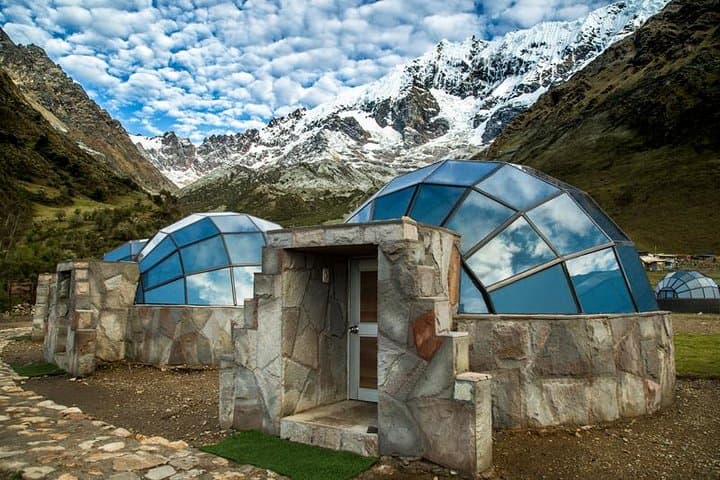
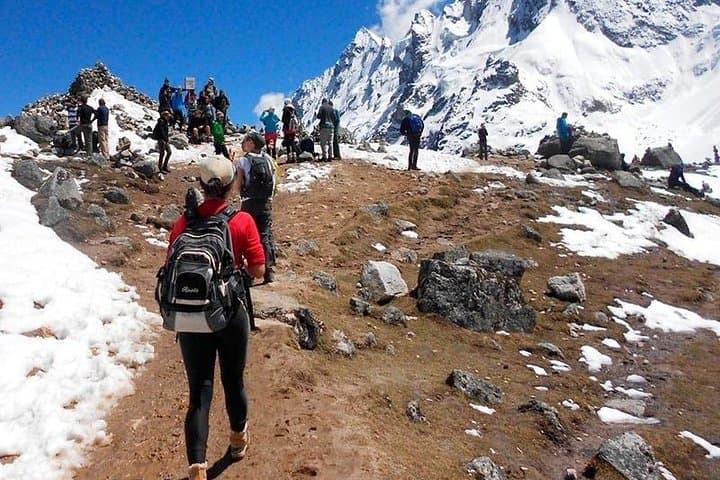
Expect long days—steep, rocky climbs to the 4,630 m pass, then humid jungle steps down toward Hidroeléctrica and Aguas Calientes. Nights alternate between weatherproof domes, rustic lodges and hostels; meals are hearty and based on local produce. Guides blend practical pacing with altitude awareness: coca tea, staged ascents and mule support reduce load where available.
Practical notes: pack layered insulation, waterproof outerwear and sturdy boots with good grip; bring a sun hat and high-SPF sunscreen for exposed ridgelines. Start acclimatizing in Cusco for 48–72 hours, hydrate deliberately, and plan for downtime at hot springs in Santa Teresa to loosen aching muscles before the final push to Machu Picchu.
challenging.
5 days.
Good cardiovascular fitness and prior multi-day hiking experience; comfortable with long days and altitude.
Yes—entrance tickets to Machu Picchu are included with many operators on this itinerary, but confirm ticket class and arrival time when booking; tickets are time-slot based.
The highest point is the Salkantay Pass at about 4,630 m; acclimatization in Cusco and gradual pacing are essential to manage symptoms.
This tour provides camping equipment (tents, mats, dining tent) but confirm sleeping bag requirements—some operators require you to bring your own sleeping bag.
Physically fit beginners with prior day-hiking experience can complete it, but the route is demanding at altitude; consider a moderated pace and support from guides and horses.
The Salkantay corridor was a complementary high route to the Inca road network; Llactapata served as an observation and signalling outpost overlooking the valley where Machu Picchu sits.
The cloud forest ecosystems around the lower route are fragile—stick to trails, avoid single-use plastics and support operators that practice waste management and local employment.
Machupicchu Nice operates guided outdoor trips and adventures with an emphasis on safety, stewardship, and memorable experiences.
Dawn light cuts across high Andean air as your minivan snakes out of Cusco and up toward Soraypampa. Cold wind from Salkantay itself nudges you awake on the first trail; the mountain seems to test every step, its glaciers daring you to keep going. By the time you reach Humantay Lake the water flashes turquoise and the day’s altitude becomes a tangible presence—thin, sharp, and honest.
Dawn light cuts across high Andean air as your minivan snakes out of Cusco and up toward Soraypampa. Cold wind from Salkantay itself nudges you awake on the first trail; the mountain seems to test every step, its glaciers daring you to keep going. By the time you reach Humantay Lake the water flashes turquoise and the day’s altitude becomes a tangible presence—thin, sharp, and honest.
This route threads high puna, glacial moraine and gradual descent into the cloud forest, following both new trails and stretches of original Inca pathway. Geologically, the trek crosses the watershed between the Pacific and Amazon basins; Salkantay (6,271 m) towers as a glaciated sentinel shaped by tectonic uplift and erosion. Culturally, the track runs through communities that still honor the apu (mountain spirits) with offerings; Llactapata and other ruins signal the Inca legacy of observation stations and agricultural terraces.
Expect long days—steep, rocky climbs to the 4,630 m pass, then humid jungle steps down toward Hidroeléctrica and Aguas Calientes. Nights alternate between weatherproof domes, rustic lodges and hostels; meals are hearty and based on local produce. Guides blend practical pacing with altitude awareness: coca tea, staged ascents and mule support reduce load where available.
Practical notes: pack layered insulation, waterproof outerwear and sturdy boots with good grip; bring a sun hat and high-SPF sunscreen for exposed ridgelines. Start acclimatizing in Cusco for 48–72 hours, hydrate deliberately, and plan for downtime at hot springs in Santa Teresa to loosen aching muscles before the final push to Machu Picchu.