THE ADVENTURE COLLECTIVE® · Independent discovery and booking for outdoor travel

Trade crowded tracks for high passes, glamping camps, and an approach to Machu Picchu that crosses glaciers, cloudforest, and coffee valleys. This 5-day Salkantay trek pairs tough ascents with comfortable camps and hot springs en route.
Trade crowded tracks for high passes, glamping camps, and an approach to Machu Picchu that crosses glaciers, cloudforest, and coffee valleys. This 5-day Salkantay trek pairs tough ascents with comfortable camps and hot springs en route.
Dawn arrives cold and sharp at Soraypampa. Steam from thermoses curls into a sky fretted with the jagged silhouette of Salkantay; underfoot, packed trail dust gives way to scree and then to the turquoise bowl of Humantay Lake. Over five days you’ll move from high Andean tundra to humid cloudforest, each ecosystem changing the soundtrack—the wind testing the ridges, a river daring you on switchbacks, and the jungle answering with the hum of insects.
Verified experiences and guided adventures in the surrounding area.
Operated by Machu Picchu Expeditions · Cusco, Cusco
Dawn arrives cold and sharp at Soraypampa. Steam from thermoses curls into a sky fretted with the jagged silhouette of Salkantay; underfoot, packed trail dust gives way to scree and then to the turquoise bowl of Humantay Lake. Over five days you’ll move from high Andean tundra to humid cloudforest, each ecosystem changing the soundtrack—the wind testing the ridges, a river daring you on switchbacks, and the jungle answering with the hum of insects.
The route follows a centuries-old corridor that skirts Inca roads and views Machu Picchu from alternate vantage points like Llactapata. Geologically, Salkantay is a glaciated massif of volcanic and metamorphic rock whose snowfields feed the Santa Teresa watershed; culturally the peaks are Apus—mountain deities still honored locally.
Expect hard climbs early: the Salkantay Pass reaches about 4,630 m; Humantay sits near 4,200 m; lower days descend into coffee country and hot springs. Nights in this itinerary are comfortable—glamping domes, sky huts and a final hotel night in Aguas Calientes—so this is a high-altitude trek with an emphasis on comfort.
Practical notes: acclimatize in Cusco 24–48 hours before you start, carry a small daypack with layers and water, and reserve Machu Picchu entry windows and mountain tickets in advance. Hiking distances vary by day (some steep 7 km ascents, others longer walk-and-descend days); the trail alternates rocky passes and jungle trails, so sturdy boots and trekking poles are useful. Hydrate, pace on the pass, and enjoy the quieter approach to Machu Picchu that this less-crowded route offers.
challenging.
5 days.
Good aerobic fitness with prior day-hiking experience and ability to handle sustained uphill at altitude; ability to walk 6–10 hours across varied terrain helps.
The pass day reaches about 4,630 m with a sustained 7 km ascent over several hours; expect strenuous, high-altitude hiking and allow time for breaks.
This itinerary includes horses that carry up to 6 kg of personal items per person plus group gear, but main luggage is usually transported by vehicle or storage on selected days.
Bring small Peruvian soles for optional items (hot springs, snacks) in villages; camps and most meals on this tour are included.
Yes, but Huayna Picchu and Machu Picchu Mountain require separate tickets that should be reserved well in advance; discuss options with your operator before departure.
The route parallels lesser-known Inca terraces and caminos that fed imperial centers; Salkantay itself was venerated as an Apu (mountain spirit) in Andean cosmology.
Trail use and glamping setups should minimize impact—stick to established camps, pack out waste, and support local guides who employ sustainable practices.
Machu Picchu Expeditions operates guided outdoor trips and adventures with an emphasis on safety, stewardship, and memorable experiences.
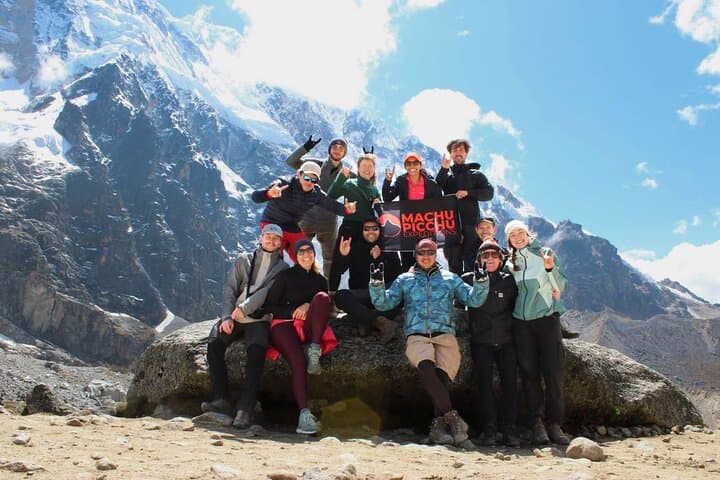
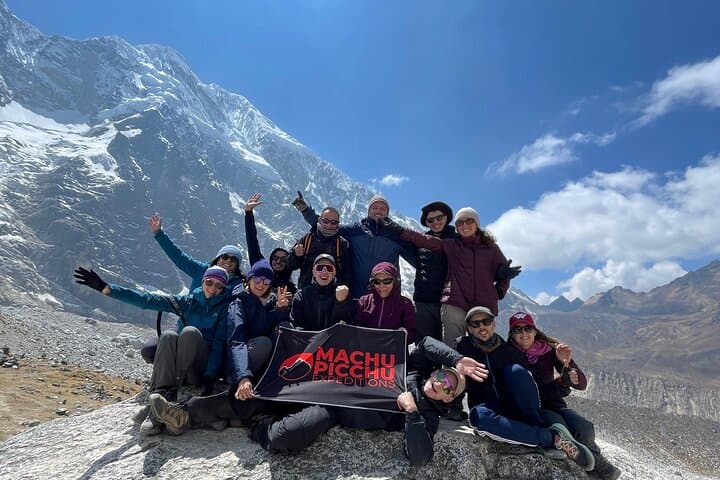
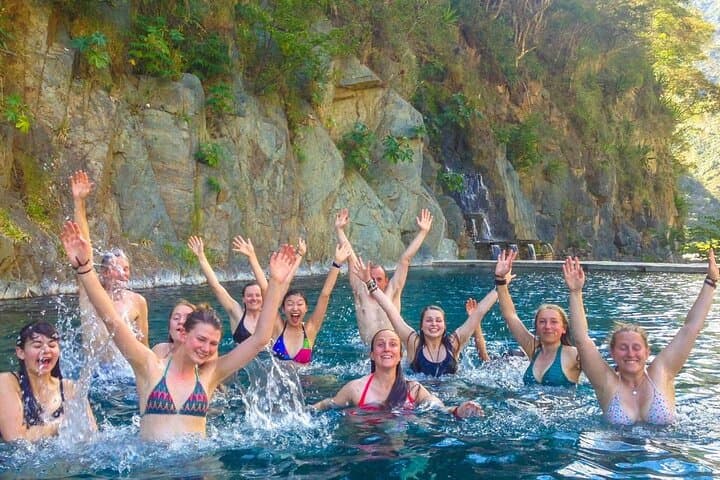
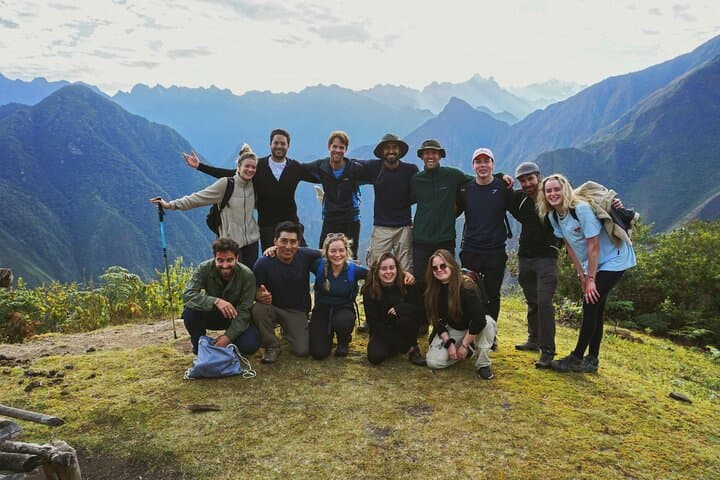
Dawn arrives cold and sharp at Soraypampa. Steam from thermoses curls into a sky fretted with the jagged silhouette of Salkantay; underfoot, packed trail dust gives way to scree and then to the turquoise bowl of Humantay Lake. Over five days you’ll move from high Andean tundra to humid cloudforest, each ecosystem changing the soundtrack—the wind testing the ridges, a river daring you on switchbacks, and the jungle answering with the hum of insects.
Dawn arrives cold and sharp at Soraypampa. Steam from thermoses curls into a sky fretted with the jagged silhouette of Salkantay; underfoot, packed trail dust gives way to scree and then to the turquoise bowl of Humantay Lake. Over five days you’ll move from high Andean tundra to humid cloudforest, each ecosystem changing the soundtrack—the wind testing the ridges, a river daring you on switchbacks, and the jungle answering with the hum of insects.
The route follows a centuries-old corridor that skirts Inca roads and views Machu Picchu from alternate vantage points like Llactapata. Geologically, Salkantay is a glaciated massif of volcanic and metamorphic rock whose snowfields feed the Santa Teresa watershed; culturally the peaks are Apus—mountain deities still honored locally.
Expect hard climbs early: the Salkantay Pass reaches about 4,630 m; Humantay sits near 4,200 m; lower days descend into coffee country and hot springs. Nights in this itinerary are comfortable—glamping domes, sky huts and a final hotel night in Aguas Calientes—so this is a high-altitude trek with an emphasis on comfort.
Practical notes: acclimatize in Cusco 24–48 hours before you start, carry a small daypack with layers and water, and reserve Machu Picchu entry windows and mountain tickets in advance. Hiking distances vary by day (some steep 7 km ascents, others longer walk-and-descend days); the trail alternates rocky passes and jungle trails, so sturdy boots and trekking poles are useful. Hydrate, pace on the pass, and enjoy the quieter approach to Machu Picchu that this less-crowded route offers.