THE ADVENTURE COLLECTIVE® · Independent discovery and booking for outdoor travel

Choose the Salkantay Trek for a less-crowded, high-altitude route to Machu Picchu. Over five days you cross glacial passes, descend through cloud forest, and finish with a guided visit to the citadel.
Choose the Salkantay Trek for a less-crowded, high-altitude route to Machu Picchu. Over five days you cross glacial passes, descend through cloud forest, and finish with a guided visit to the citadel.
You wake before dawn in Cusco, the city lights shrinking in the coach window as the Andes open ahead. Mountain air bites at the windows and, by the time you step onto the trail at Challacancha, glaciers pierce the skyline like ancient, patient giants. The route climbs through Soraypampa to the turquoise mirror of Humantay Lake, then gains around 700–800 m more to reach the Salkantay Pass, where wind and stone seem to test every step.
Verified experiences and guided adventures in the surrounding area.
Operated by Salkantay Trekking · Cusco, Cusco Region
You wake before dawn in Cusco, the city lights shrinking in the coach window as the Andes open ahead. Mountain air bites at the windows and, by the time you step onto the trail at Challacancha, glaciers pierce the skyline like ancient, patient giants. The route climbs through Soraypampa to the turquoise mirror of Humantay Lake, then gains around 700–800 m more to reach the Salkantay Pass, where wind and stone seem to test every step.
This corridor of the Andes has been a travel route long before modern trekking—Salkantay was considered an Apu, a sacred mountain, by Andean peoples. Geologically the trek traces deep glacial valleys and young fold mountains carved from uplift and erosion; lower slopes give way to cloud forest and then the wet, green foothills that feed the Amazon.
Culturally you’ll pass small farms and coffee plots, meet Quechua-speaking communities, and spend a night at Aguas Calientes before the guided tour of Machu Picchu. Expect changing ecosystems: alpine scree and snowfields above 4,500 m, mossy trails at 2,000–3,000 m, and hanging orchids near Lucmabamba.
Practical guidance: acclimatize in Cusco for 48 hours, carry layered insulation and a reliable rain shell, and pack a 10 kg duffel for porters. Daily stages range from steep 3–7 hour ascents to long jungle descents; stamina and high-altitude experience matter. Start early to avoid afternoon weather and book permits and train tickets months ahead. Hydrate, pace up to the pass, and let the mountains set the tempo—this is a demanding, richly varied 5-day crossing that finishes where the Incas built their high city.
challenging.
4–5 days.
Good cardiovascular fitness and prior experience with multi-day hiking at altitude are recommended; expect sustained climbs and descents.
No Inca Trail permit is required for Salkantay itself, but entrance to Machu Picchu and train tickets to Ollantaytambo/Aguas Calientes must be booked in advance.
The pass reaches around 4,600 m and involves a steep 3–4 hour ascent; expect thin air, cold temperatures, and loose scree on higher sections.
Dry season (May–September) offers more stable weather and clearer mountain views; shoulder months can be quieter but wetter.
Yes — operators typically provide a porter service with a ~10 kg duffel limit; carry a small daypack for essentials and valuables.
Salkantay is an Apu in Andean cosmology and the surrounding routes connected highland communities and Inca transit ways; the trek crosses both pre-Columbian and colonial landscapes.
Stick to established trails, pack out waste, and respect local water sources; small-group itineraries and licensed guides help limit impact.
Salkantay Trekking operates guided outdoor trips and adventures with an emphasis on safety, stewardship, and memorable experiences.
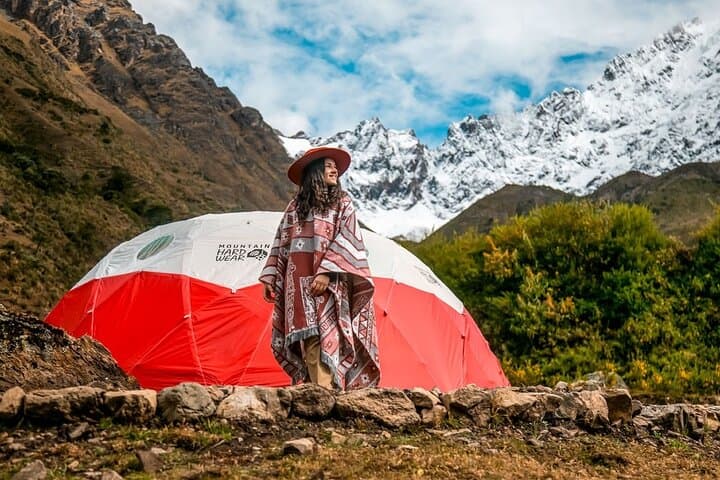
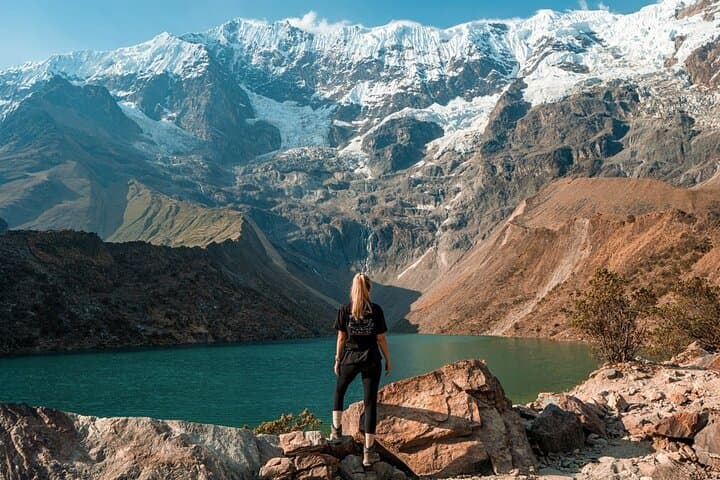
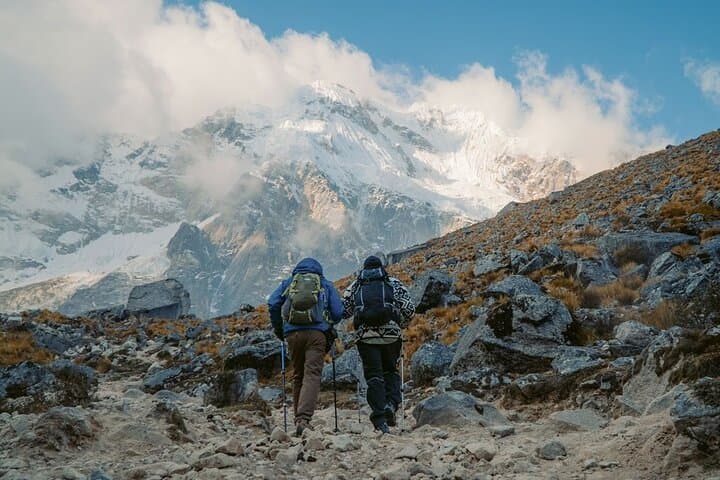
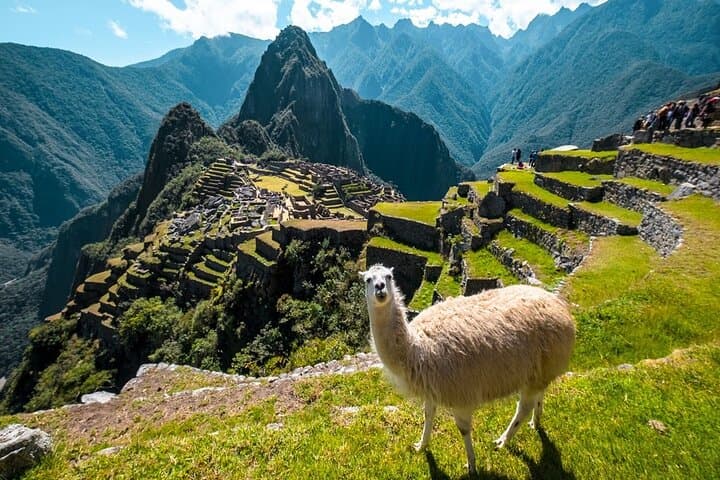
You wake before dawn in Cusco, the city lights shrinking in the coach window as the Andes open ahead. Mountain air bites at the windows and, by the time you step onto the trail at Challacancha, glaciers pierce the skyline like ancient, patient giants. The route climbs through Soraypampa to the turquoise mirror of Humantay Lake, then gains around 700–800 m more to reach the Salkantay Pass, where wind and stone seem to test every step.
You wake before dawn in Cusco, the city lights shrinking in the coach window as the Andes open ahead. Mountain air bites at the windows and, by the time you step onto the trail at Challacancha, glaciers pierce the skyline like ancient, patient giants. The route climbs through Soraypampa to the turquoise mirror of Humantay Lake, then gains around 700–800 m more to reach the Salkantay Pass, where wind and stone seem to test every step.
This corridor of the Andes has been a travel route long before modern trekking—Salkantay was considered an Apu, a sacred mountain, by Andean peoples. Geologically the trek traces deep glacial valleys and young fold mountains carved from uplift and erosion; lower slopes give way to cloud forest and then the wet, green foothills that feed the Amazon.
Culturally you’ll pass small farms and coffee plots, meet Quechua-speaking communities, and spend a night at Aguas Calientes before the guided tour of Machu Picchu. Expect changing ecosystems: alpine scree and snowfields above 4,500 m, mossy trails at 2,000–3,000 m, and hanging orchids near Lucmabamba.
Practical guidance: acclimatize in Cusco for 48 hours, carry layered insulation and a reliable rain shell, and pack a 10 kg duffel for porters. Daily stages range from steep 3–7 hour ascents to long jungle descents; stamina and high-altitude experience matter. Start early to avoid afternoon weather and book permits and train tickets months ahead. Hydrate, pace up to the pass, and let the mountains set the tempo—this is a demanding, richly varied 5-day crossing that finishes where the Incas built their high city.