THE ADVENTURE COLLECTIVE® · Independent discovery and booking for outdoor travel

A four-day alternative to the Inca Trail that climbs over the Salkantay high pass and descends into cloud forest before reaching Machu Picchu. Expect long alpine climbs, dramatic geology, and a final approach through lush river valleys.
A four-day alternative to the Inca Trail that climbs over the Salkantay high pass and descends into cloud forest before reaching Machu Picchu. Expect long alpine climbs, dramatic geology, and a final approach through lush river valleys.
Dawn arrives cold and thin at Soraypampa, where the first cups of tea steam under a sky dominated by Salkantay’s jagged white crown. Hikers shoulder packs, the air sharp with altitude, and the route climbs away through moraines and puna grasses toward a high pass that feels like the spine of the Andes.
Verified experiences and guided adventures in the surrounding area.
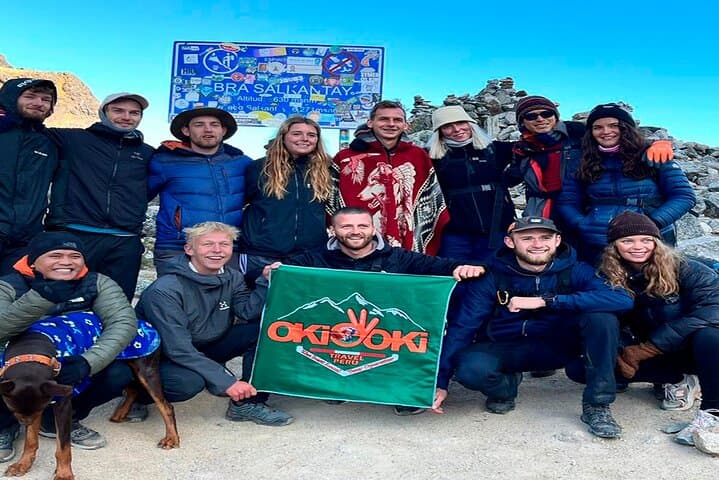
Operated by OkiDoki Travel · Cusco, Cusco
Dawn arrives cold and thin at Soraypampa, where the first cups of tea steam under a sky dominated by Salkantay’s jagged white crown. Hikers shoulder packs, the air sharp with altitude, and the route climbs away through moraines and puna grasses toward a high pass that feels like the spine of the Andes.
The Salkantay route follows old Andean corridors used by Andean communities long before tourism; Salkantay itself is revered as an Apu, a mountain spirit, and the landscape is a study in geology — glacial cirques, moraine valleys, and steep, forested descents into cloud forest. Local villages maintain coca and coffee plots on the lower slopes, and culturally the trek bridges Andean ceremony and contemporary guiding practices: expect an offering or brief ritual at the pass and stories about Inca roads and pastoral life.
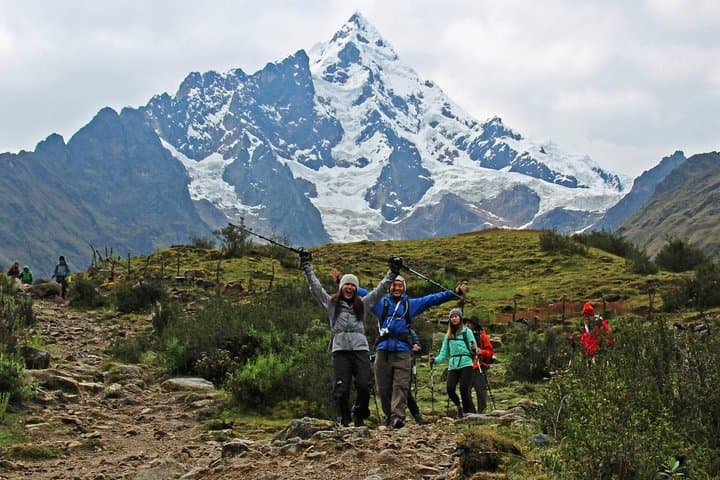
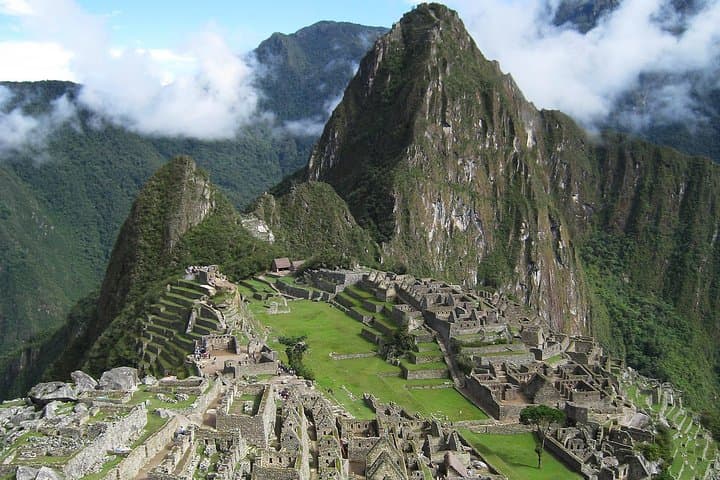
Over four days the terrain shifts from high alpine tundra to humid montane forest, with the Humantay lagoon and Salkantay pass as high points and a final approach that finishes in the low, lush valley around Aguas Calientes before the visit to Machu Picchu.
Practical guidance: acclimatize in Cusco for 48 hours if possible, carry layered clothing for sun and freezing wind, and bring a reliable waterproof—cloud forest rain can arrive quickly. Nighttime camps require a warm sleeping system; mules carry small loads but you must be prepared for long days and steep descents. Book Machu Picchu entries in advance and travel with a licensed guide for route safety and local insight.
challenging.
4 days.
Good cardiovascular fitness and experience with multi-day high-altitude hikes; able to trek 6–10 hours on steep and rocky terrain.
No special trekking permit is required for the Salkantay route, but you must have a valid Machu Picchu entrance ticket reserved for the final day.
The trek reaches roughly 4,630 m (15,190 ft) at Salkantay Pass — expect steep climbs and thin air at that elevation.
Mules typically carry about 6 kg per person for camping gear and group equipment; pack light and put valuables in your daypack.
Yes, it runs year-round, but the dry season (May–September) offers clearer skies and more stable conditions; rainy season increases slipperiness and river levels.
Salkantay is an Apu in Andean cosmology and the corridor links pre-Columbian paths that fed into Inca road systems toward the sacred sites around Machu Picchu.
The region balances growing tourism with protected areas and community-based guiding—practice leave-no-trace, limit single-use plastics, and follow guide instructions to reduce trail erosion and campsite impact.
OkiDoki Travel operates guided outdoor trips and adventures with an emphasis on safety, stewardship, and memorable experiences.
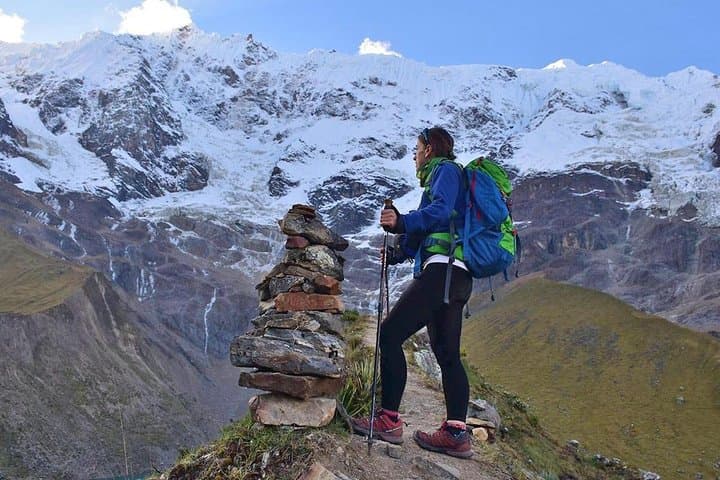
Dawn arrives cold and thin at Soraypampa, where the first cups of tea steam under a sky dominated by Salkantay’s jagged white crown. Hikers shoulder packs, the air sharp with altitude, and the route climbs away through moraines and puna grasses toward a high pass that feels like the spine of the Andes.
Dawn arrives cold and thin at Soraypampa, where the first cups of tea steam under a sky dominated by Salkantay’s jagged white crown. Hikers shoulder packs, the air sharp with altitude, and the route climbs away through moraines and puna grasses toward a high pass that feels like the spine of the Andes.
The Salkantay route follows old Andean corridors used by Andean communities long before tourism; Salkantay itself is revered as an Apu, a mountain spirit, and the landscape is a study in geology — glacial cirques, moraine valleys, and steep, forested descents into cloud forest. Local villages maintain coca and coffee plots on the lower slopes, and culturally the trek bridges Andean ceremony and contemporary guiding practices: expect an offering or brief ritual at the pass and stories about Inca roads and pastoral life.
Over four days the terrain shifts from high alpine tundra to humid montane forest, with the Humantay lagoon and Salkantay pass as high points and a final approach that finishes in the low, lush valley around Aguas Calientes before the visit to Machu Picchu.
Practical guidance: acclimatize in Cusco for 48 hours if possible, carry layered clothing for sun and freezing wind, and bring a reliable waterproof—cloud forest rain can arrive quickly. Nighttime camps require a warm sleeping system; mules carry small loads but you must be prepared for long days and steep descents. Book Machu Picchu entries in advance and travel with a licensed guide for route safety and local insight.