THE ADVENTURE COLLECTIVE® · Independent discovery and booking for outdoor travel

A four-day high-altitude trek from Cusco over the Salkantay Pass to Machu Picchu, combining glacier-carved peaks, alpine lakes, and a descent into cloud forest. Expect 60–70 km of varied terrain, strong elevation gains to 4,650 m, and early starts—plan for acclimatization, layered clothing, and advance permits.
A four-day high-altitude trek from Cusco over the Salkantay Pass to Machu Picchu, combining glacier-carved peaks, alpine lakes, and a descent into cloud forest. Expect 60–70 km of varied terrain, strong elevation gains to 4,650 m, and early starts—plan for acclimatization, layered clothing, and advance permits.
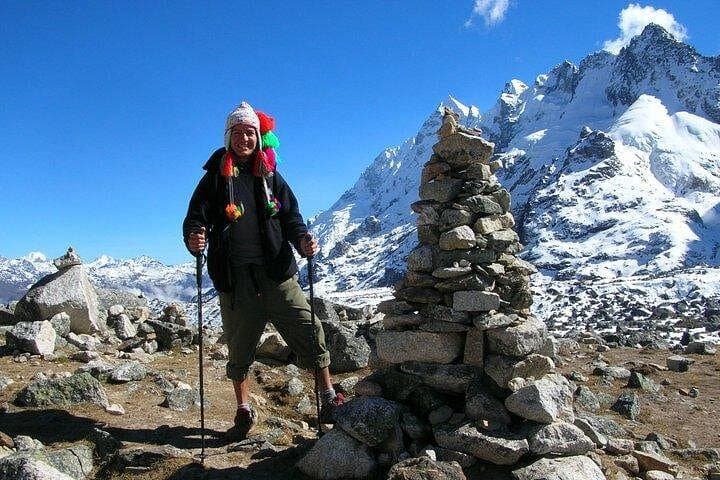
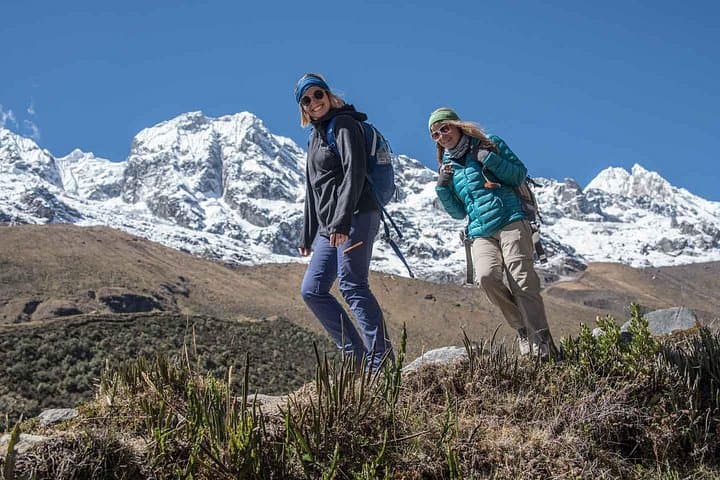
You set out before dawn from Cusco, the van threading past terraced slopes until the road climbs to Challacancha and the air thins. The trail opens into high, stony tundra; glaciers crowd the skyline and the Salkantay peak watches every step. Humantay Lake appears like an alpine jewel—icy turquoise daring you to pause and take it in.
Verified experiences and guided adventures in the surrounding area.
Operated by Salkantay Travel Peru · Cusco, Cusco
You set out before dawn from Cusco, the van threading past terraced slopes until the road climbs to Challacancha and the air thins. The trail opens into high, stony tundra; glaciers crowd the skyline and the Salkantay peak watches every step. Humantay Lake appears like an alpine jewel—icy turquoise daring you to pause and take it in.
The Salkantay route traces a raw geological boundary: granite peaks carved by glaciers, moraines folded into high plains, then a rapid descent into the humid cloud forest where coffee and banana stands replace scree and bofedal. This corridor carried Inca runners and later muleteers; today guides relay stories of mountain spirits (apus) and colonial-era paths that linked highland communities to lower valleys.
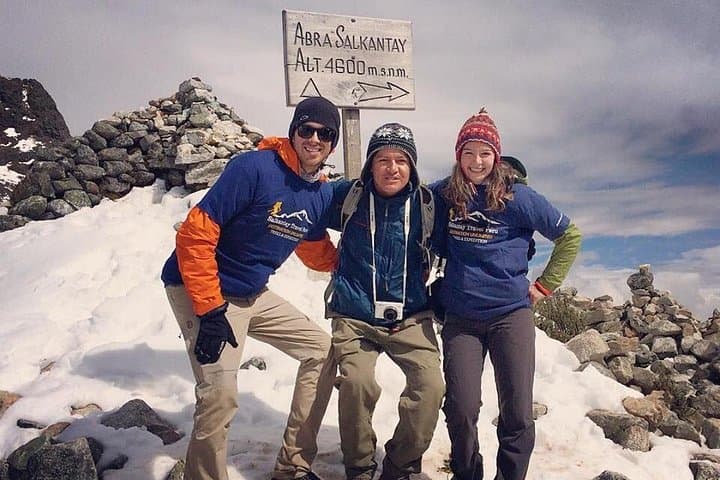
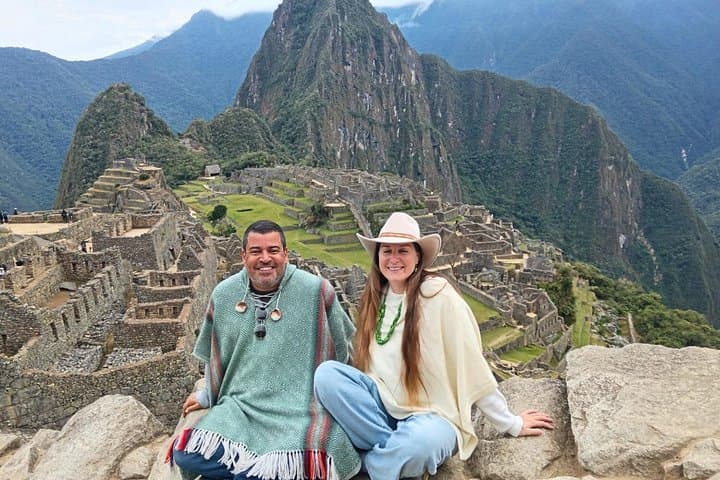
Expect four days of varied terrain—alpine scree and switchbacks to Abra Salkantay at roughly 4,650 m, then grassy plateaus and jungle trails toward Hidroeléctrica and Aguas Calientes. Total trekking distance on typical 4-day itineraries is about 60–70 km, with daily hikes of 4–8 hours and significant elevation change; altitude is the real challenge.
Practical edge: acclimatize in Cusco 1–2 days, carry layers for rapid temperature swings, and hydrate proactively to blunt altitude effects. Footwear with firm ankle support and a rain shell are non-negotiable; mornings are hard and rewarding, afternoons often hot and humid. Plan permits (Machu Picchu entry, Huayna Picchu optional) ahead—this is as much logistics as it is a hike.
This is a trek of contrasts—stone and green, thin air and warm valleys—best approached with respect, steady pacing, and basic high-altitude preparedness.
challenging.
4 days.
Good aerobic fitness and experience with day hikes at altitude; ability to hike 5–8 hours with a loaded daypack for multiple days.
The usual high point is Abra Salkantay at about 4,650 m (15,254 ft); expect the steepest, coldest day on this ascent.
While technical skills are minimal, prior multi-day hiking experience and good cardiovascular fitness are strongly recommended due to altitude and daily distances.
Most guided packages include tents, sleeping mattresses, meals (typically 3/day), and some provide sleeping bags—confirm specifics with your operator.
Yes, but these require advance booking and additional fees; request during reservation to secure limited slots.
The route follows ancient highland pathways used by the Inca and pre-Inca communities, later adapted by muleteers linking highlands to jungle valleys.
The corridor crosses fragile alpine wetlands and cloud forest; stick to trails, pack out waste, and support local operators that practice Leave No Trace and community-based tourism.
Salkantay Travel Peru operates guided outdoor trips and adventures with an emphasis on safety, stewardship, and memorable experiences.
You set out before dawn from Cusco, the van threading past terraced slopes until the road climbs to Challacancha and the air thins. The trail opens into high, stony tundra; glaciers crowd the skyline and the Salkantay peak watches every step. Humantay Lake appears like an alpine jewel—icy turquoise daring you to pause and take it in.
You set out before dawn from Cusco, the van threading past terraced slopes until the road climbs to Challacancha and the air thins. The trail opens into high, stony tundra; glaciers crowd the skyline and the Salkantay peak watches every step. Humantay Lake appears like an alpine jewel—icy turquoise daring you to pause and take it in.
The Salkantay route traces a raw geological boundary: granite peaks carved by glaciers, moraines folded into high plains, then a rapid descent into the humid cloud forest where coffee and banana stands replace scree and bofedal. This corridor carried Inca runners and later muleteers; today guides relay stories of mountain spirits (apus) and colonial-era paths that linked highland communities to lower valleys.
Expect four days of varied terrain—alpine scree and switchbacks to Abra Salkantay at roughly 4,650 m, then grassy plateaus and jungle trails toward Hidroeléctrica and Aguas Calientes. Total trekking distance on typical 4-day itineraries is about 60–70 km, with daily hikes of 4–8 hours and significant elevation change; altitude is the real challenge.
Practical edge: acclimatize in Cusco 1–2 days, carry layers for rapid temperature swings, and hydrate proactively to blunt altitude effects. Footwear with firm ankle support and a rain shell are non-negotiable; mornings are hard and rewarding, afternoons often hot and humid. Plan permits (Machu Picchu entry, Huayna Picchu optional) ahead—this is as much logistics as it is a hike.
This is a trek of contrasts—stone and green, thin air and warm valleys—best approached with respect, steady pacing, and basic high-altitude preparedness.