THE ADVENTURE COLLECTIVE® · Independent discovery and booking for outdoor travel

Cover 49 km from snowy passes to cloud forest in three compact days. This Salkantay itinerary delivers high-altitude drama and a guided visit to Machu Picchu—if you arrive fit and acclimatized.
Cover 49 km from snowy passes to cloud forest in three compact days. This Salkantay itinerary delivers high-altitude drama and a guided visit to Machu Picchu—if you arrive fit and acclimatized.
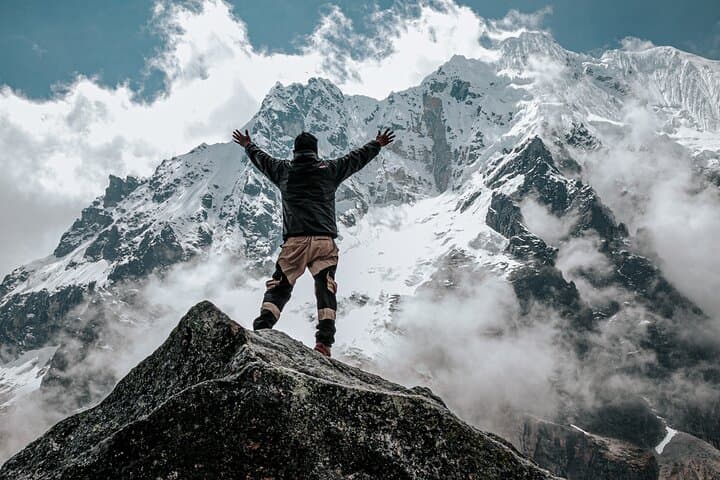
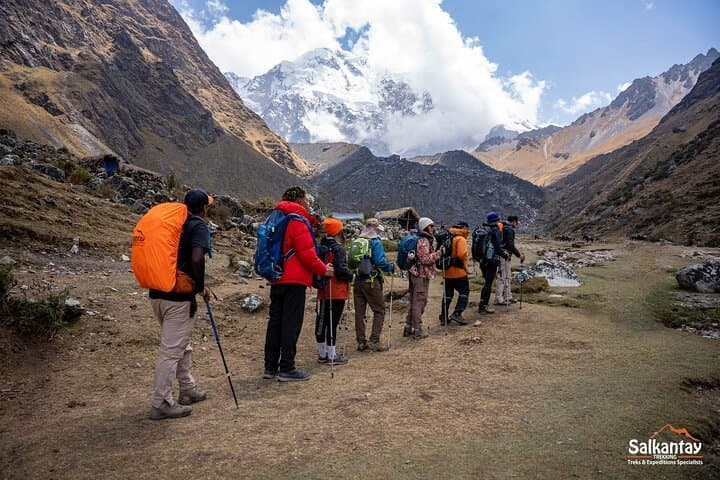
Dawn in Cusco is thin and cold; minibuses hum through pre-dawn streets as you climb toward Soraypampa, where Salkantay looms—a granite shoulder capped with glacier that seems to watch each step. The first day is a hard, honest climb up the 7 Serpents Trail to the Salkantay Pass (≈4,630 m / 15,190 ft), where wind and ice push at you like an impatient guide. Then the route drops, and the Andes loosen their grip into humid cloud forest, orchids opening like small suns.
Verified experiences and guided adventures in the surrounding area.
Operated by Salkantay Trekking · Cusco, Cusco
Dawn in Cusco is thin and cold; minibuses hum through pre-dawn streets as you climb toward Soraypampa, where Salkantay looms—a granite shoulder capped with glacier that seems to watch each step. The first day is a hard, honest climb up the 7 Serpents Trail to the Salkantay Pass (≈4,630 m / 15,190 ft), where wind and ice push at you like an impatient guide. Then the route drops, and the Andes loosen their grip into humid cloud forest, orchids opening like small suns.
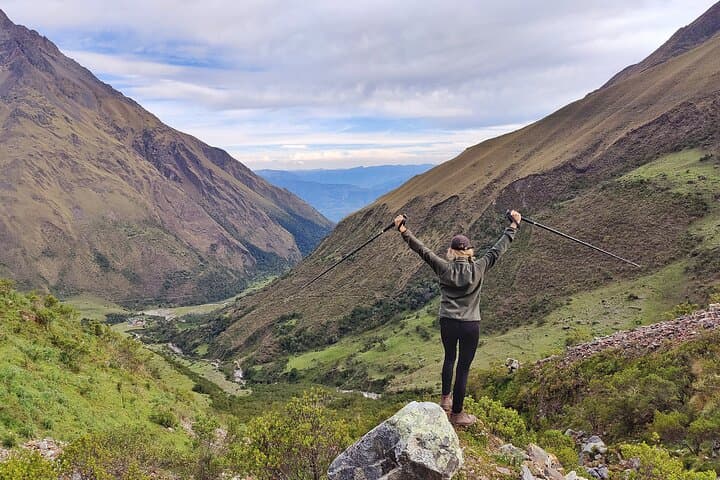
This trail follows an alternative corridor to the Inca network. Geologically the route slices across uplifted metamorphic rock and glacial moraine, tracing microclimates from puna grasslands to the lower Amazon headwaters. Culturally the valley carries Quechua traditions—small farms, coffee patches, and stone trails that ancient hands once widened.
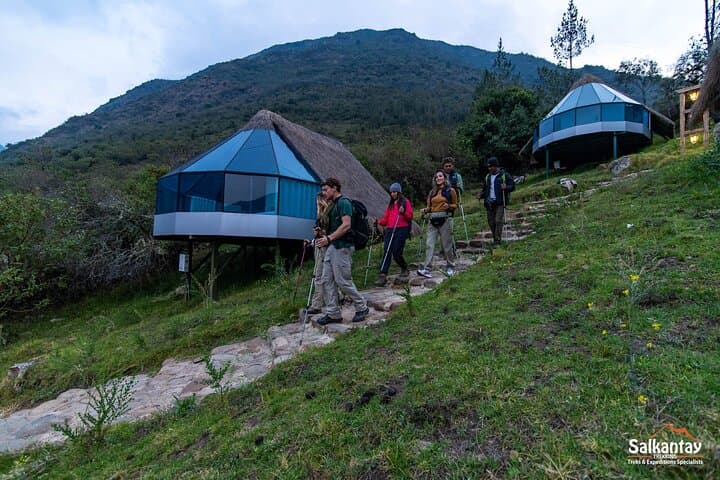
Practical guidance: the full itinerary covers roughly 49 km (31 miles) over three days, with two nights—one at a high-altitude mountain camp and one in Aguas Calientes. Expect steep ascents on day one, long downhill walking on day two through river valleys, and an early-morning bus to Machu Picchu on day three. Altitude is the defining factor—allow at least 48–72 hours in Cusco beforehand to acclimatize.
What to pack: layered insulation, waterproof shell, sun protection, and reliable boots. Hydrate proactively and pace on the pass; oxygen and first-aid are commonly carried by guides. Book train and Machu Picchu tickets well in advance—this condensed route is efficient, intense, and deeply rewarding for those prepared.
challenging.
3 days.
Requires very good cardiovascular fitness and previous multi-day hiking experience; comfortable with sustained uphill and long-day walking at altitude.
The itinerary covers about 49 km (31 miles) over three days, with two nights—one at a high camp and one in Aguas Calientes before Machu Picchu.
You don’t strictly need prior high-altitude trekking, but you should be in very good fitness and allow 48–72 hours in Cusco to acclimatize for safety and enjoyment.
Yes—meals listed (3 breakfasts, 2 lunches, 2 dinners), campsite facilities, and Machu Picchu entrance (circuit dependent) are included as stated by the operator.
The dry season (May–September) is most reliable for stable weather and trail conditions, though cloud forest sections remain humid year-round.
The Salkantay corridor runs parallel to Inca pathways that connected high Andean zones to lower valleys; modern treks highlight both natural and cultural transitions.
Follow Leave No Trace principles; stick to designated camps, avoid single-use plastics, and use local guides who support community-based tourism.
Salkantay Trekking operates guided outdoor trips and adventures with an emphasis on safety, stewardship, and memorable experiences.
Dawn in Cusco is thin and cold; minibuses hum through pre-dawn streets as you climb toward Soraypampa, where Salkantay looms—a granite shoulder capped with glacier that seems to watch each step. The first day is a hard, honest climb up the 7 Serpents Trail to the Salkantay Pass (≈4,630 m / 15,190 ft), where wind and ice push at you like an impatient guide. Then the route drops, and the Andes loosen their grip into humid cloud forest, orchids opening like small suns.
Dawn in Cusco is thin and cold; minibuses hum through pre-dawn streets as you climb toward Soraypampa, where Salkantay looms—a granite shoulder capped with glacier that seems to watch each step. The first day is a hard, honest climb up the 7 Serpents Trail to the Salkantay Pass (≈4,630 m / 15,190 ft), where wind and ice push at you like an impatient guide. Then the route drops, and the Andes loosen their grip into humid cloud forest, orchids opening like small suns.
This trail follows an alternative corridor to the Inca network. Geologically the route slices across uplifted metamorphic rock and glacial moraine, tracing microclimates from puna grasslands to the lower Amazon headwaters. Culturally the valley carries Quechua traditions—small farms, coffee patches, and stone trails that ancient hands once widened.
Practical guidance: the full itinerary covers roughly 49 km (31 miles) over three days, with two nights—one at a high-altitude mountain camp and one in Aguas Calientes. Expect steep ascents on day one, long downhill walking on day two through river valleys, and an early-morning bus to Machu Picchu on day three. Altitude is the defining factor—allow at least 48–72 hours in Cusco beforehand to acclimatize.
What to pack: layered insulation, waterproof shell, sun protection, and reliable boots. Hydrate proactively and pace on the pass; oxygen and first-aid are commonly carried by guides. Book train and Machu Picchu tickets well in advance—this condensed route is efficient, intense, and deeply rewarding for those prepared.