THE ADVENTURE COLLECTIVE® · Independent discovery and booking for outdoor travel

A high-route, five-day trek that moves from glaciated Andean passes into warm cloud forest, finishing with a sunrise visit to Machu Picchu. Expect long alpine days, dramatic elevation change and diverse ecosystems.
A high-route, five-day trek that moves from glaciated Andean passes into warm cloud forest, finishing with a sunrise visit to Machu Picchu. Expect long alpine days, dramatic elevation change and diverse ecosystems.
You step out before dawn on a thin, cold air that already smells of wet stone and distant eucalyptus. The jagged flank of Salkantay—a hulking, glaciated mass—dominates the horizon, its snowfields catching the first pale light as puna grasses sway and the trail climbs toward the high pass.
Verified experiences and guided adventures in the surrounding area.
Operated by Real travel Peru · Cusco, Cusco Region
You step out before dawn on a thin, cold air that already smells of wet stone and distant eucalyptus. The jagged flank of Salkantay—a hulking, glaciated mass—dominates the horizon, its snowfields catching the first pale light as puna grasses sway and the trail climbs toward the high pass.
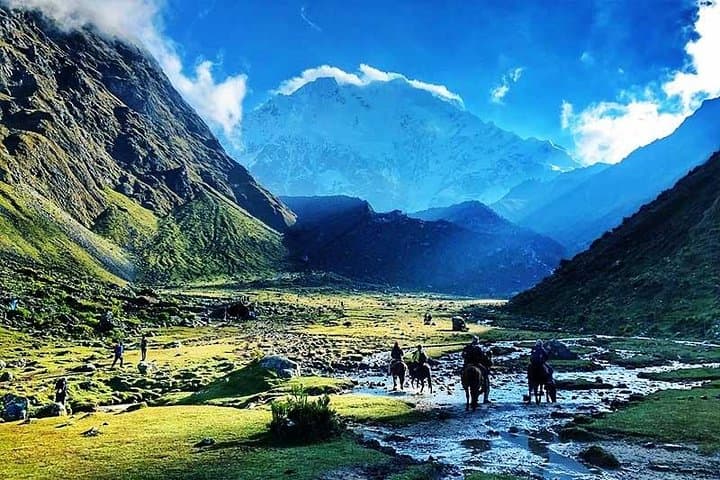
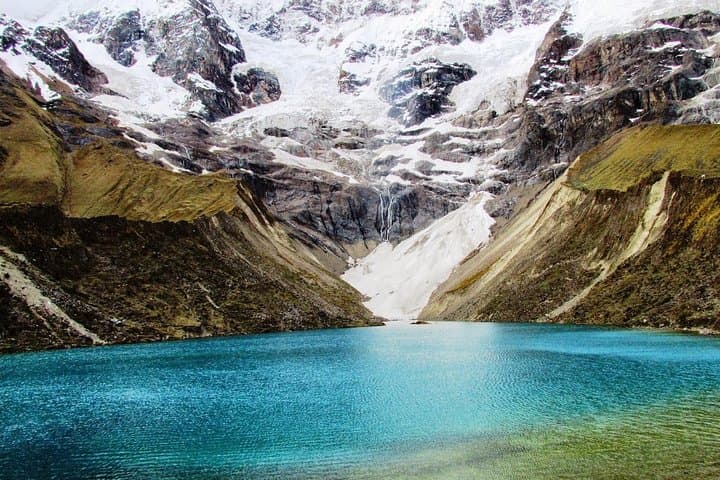
This five-day route is the classic high-to-warmland crossing: puna and wind-scoured ridgelines give way to cloud forest and, finally, the green terraces around Aguas Calientes and Machu Picchu. The trek follows landscapes shaped by Andean uplift and glaciation; moraines and cirque lakes like Humantay punctuate the ascent, while lower slopes host orchids, bromeliads and hummingbirds. Culturally, the trail threads past Inca-era waystations such as Llaqtapata and through communities that still farm using ancient terraces and coca and coffee plots.
Expect long days—passes near 4,600 m—and a steady descent into humid, jungle heat on day three. Guides emphasize acclimatization and rhythm: walk slow, drink frequently, watch your step on rocky switchbacks. Camping is usually four nights with one night in Aguas Calientes; the final morning brings the first views of Machu Picchu at sunrise.
Practicalities: train or vehicle returns from Ollantaytambo are included, and Machu Picchu entry typically sits on day five. Bring layered insulation for alpine cold, a rain shell for cloud-forest downpours, and a sleeping bag rated for near-freezing temps. Be prepared for altitude effects, secure travel permits or entrance tickets in advance, and budget buffer time in Cusco to acclimatize before departure.
challenging.
5 days.
Good cardiovascular fitness and prior multi-day trekking experience are recommended; able to hike 6–10 hours/day with elevation gain.
The Salkantay route itself does not require the Inca Trail permit, but you must purchase Machu Picchu entrance tickets and train/transfer bookings in advance—these often fill during high season.
The highest point is around 4,600 m at the Salkantay pass; altitude sickness is a real concern—acclimatize in Cusco, ascend slowly, stay hydrated and talk to your guide about medication if needed.
Typical packages include tented camps with foam pads; some operators supply banquet-style camp dinners and hot drinks—confirm linens and sleeping bag needs when booking.
Returns are usually by train from Aguas Calientes to Ollantaytambo plus onward bus or private transport to Cusco; verify included segments (train class and departure times) when reserving.
The Salkantay corridor was a secondary Inca route connecting highland communities to the Sacred Valley; stone waystations and terraces hint at pre-Columbian use.
The trail passes fragile alpine and cloud-forest ecosystems—stay on established paths, avoid single-use plastics, and follow guide instructions to reduce erosion and disturbance.
Real travel Peru operates guided outdoor trips and adventures with an emphasis on safety, stewardship, and memorable experiences.
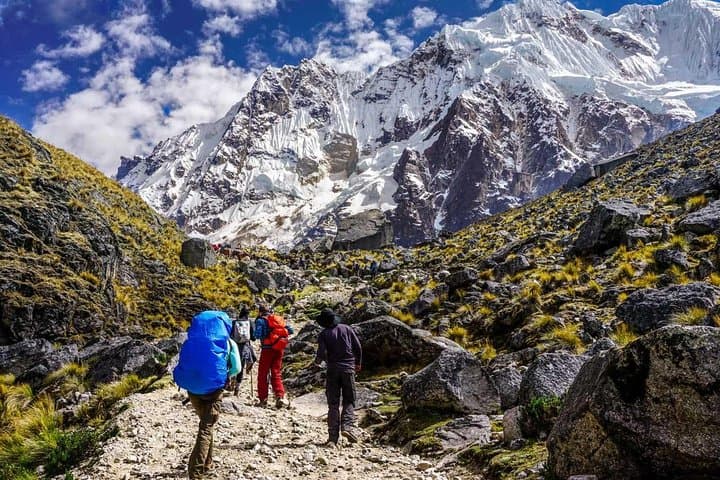
You step out before dawn on a thin, cold air that already smells of wet stone and distant eucalyptus. The jagged flank of Salkantay—a hulking, glaciated mass—dominates the horizon, its snowfields catching the first pale light as puna grasses sway and the trail climbs toward the high pass.
You step out before dawn on a thin, cold air that already smells of wet stone and distant eucalyptus. The jagged flank of Salkantay—a hulking, glaciated mass—dominates the horizon, its snowfields catching the first pale light as puna grasses sway and the trail climbs toward the high pass.
This five-day route is the classic high-to-warmland crossing: puna and wind-scoured ridgelines give way to cloud forest and, finally, the green terraces around Aguas Calientes and Machu Picchu. The trek follows landscapes shaped by Andean uplift and glaciation; moraines and cirque lakes like Humantay punctuate the ascent, while lower slopes host orchids, bromeliads and hummingbirds. Culturally, the trail threads past Inca-era waystations such as Llaqtapata and through communities that still farm using ancient terraces and coca and coffee plots.
Expect long days—passes near 4,600 m—and a steady descent into humid, jungle heat on day three. Guides emphasize acclimatization and rhythm: walk slow, drink frequently, watch your step on rocky switchbacks. Camping is usually four nights with one night in Aguas Calientes; the final morning brings the first views of Machu Picchu at sunrise.
Practicalities: train or vehicle returns from Ollantaytambo are included, and Machu Picchu entry typically sits on day five. Bring layered insulation for alpine cold, a rain shell for cloud-forest downpours, and a sleeping bag rated for near-freezing temps. Be prepared for altitude effects, secure travel permits or entrance tickets in advance, and budget buffer time in Cusco to acclimatize before departure.