THE ADVENTURE COLLECTIVE® · Independent discovery and booking for outdoor travel

A classic alternative to the Inca Trail, the Salkantay Trek packs high alpine passes, jungle descents and a sunrise at Machu Picchu into five demanding days. Plan for altitude, variable weather, and a rewarding mix of wilderness and local culture.
A classic alternative to the Inca Trail, the Salkantay Trek packs high alpine passes, jungle descents and a sunrise at Machu Picchu into five demanding days. Plan for altitude, variable weather, and a rewarding mix of wilderness and local culture.
The morning air on day one bites with salt and glacier dust as you climb from Soraypampa toward the turquoise Humantay Lagoon. Sharp peaks loom; the Salkantay massif hums like a slow engine above you, and the trail alternates between stony switchbacks and wide, wind-swept meadows.
Verified experiences and guided adventures in the surrounding area.
Operated by Ali Peru Treks - Travel Agency · Cusco, Cusco Region
The morning air on day one bites with salt and glacier dust as you climb from Soraypampa toward the turquoise Humantay Lagoon. Sharp peaks loom; the Salkantay massif hums like a slow engine above you, and the trail alternates between stony switchbacks and wide, wind-swept meadows.
This five-day route threads through distinct Peruvian ecosystems: alpine tundra and snowfields near the 4,650 m Salkantay Pass, then a dramatic descent into humid cloud forest where rivers hurry and orchids claim the understory. The Inca footprint is tangible—terraced ruins like Llactapata keep watch over the valley and hint at the engineering that fed the empire. Geologically, you pass glacial-carved cirques and laterite-rich jungle soils, a visible record of the Andes’ uplift and the Amazon basin’s edge.
Local culture arrives in the form of small coffee farms, steep avocado groves and Quechua families who maintain traditional crops and crafts; guides share stories about the mountains as living forces that demand respect. Expect nights in tents with basic comforts, a staffed kitchen, and one night in Aguas Calientes before the citadel.
Practically: acclimate in Cusco for 2–3 days beforehand, carry layered clothing for a 20–30°C swing between ridge and jungle, and budget for a daypack on Machu Picchu morning. Footwear should be broken-in, waterproof, with good traction. Hydrate often at altitude, pace uphill steps, and listen to guides; they manage weather, porters and permits. On clear mornings, sunrise at Machu Picchu rewards every sore calf and cold campfire.
challenging.
5 days.
Good cardiovascular fitness with prior multi-day hiking experience; able to hike 6–8 hours/day at altitude.
The Salkantay route and Machu Picchu require entrance tickets; reputable operators include these and manage train/bus logistics for the final day.
The pass reaches about 4,650 m with long steep sections; it’s strenuous but non-technical—pace yourself and monitor for altitude symptoms.
Carry a daypack with essentials; main duffel is transported by horses or porters—confirm weight limits with your operator.
Operators provide tents, mattresses and a cook; comfort is basic but adequate—expect cold nights and communal dining at camp.
The route skirts Inca-era sites that connected highland communities to valley settlements; Llactapata overlooks ancient terraces tied to Machu Picchu’s agricultural network.
Trails are sensitive to erosion and litter; stick to established paths, limit single-use plastics and respect local water sources to reduce impact.
Ali Peru Treks - Travel Agency operates guided outdoor trips and adventures with an emphasis on safety, stewardship, and memorable experiences.
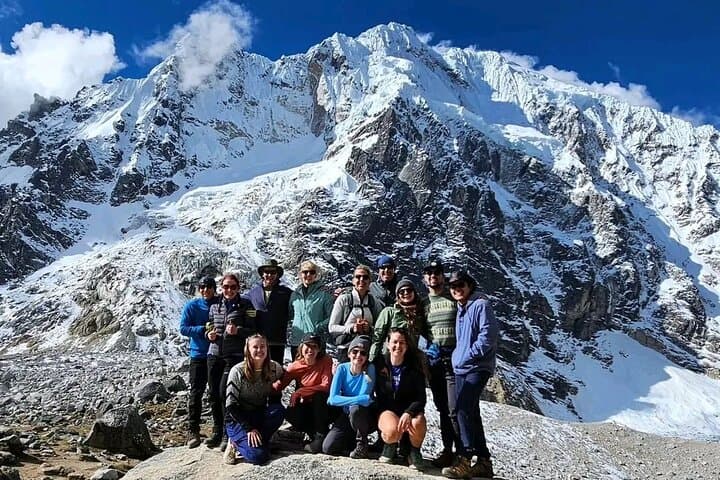
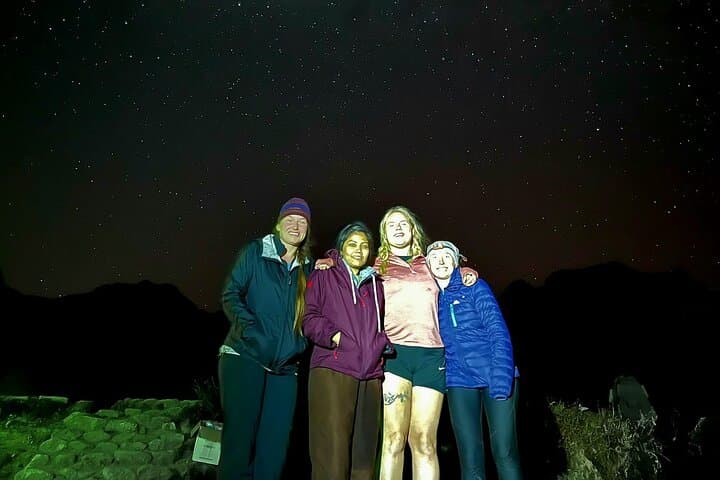
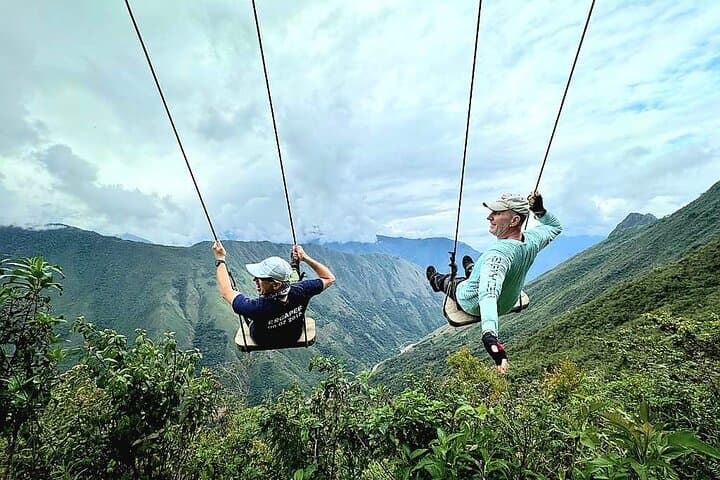
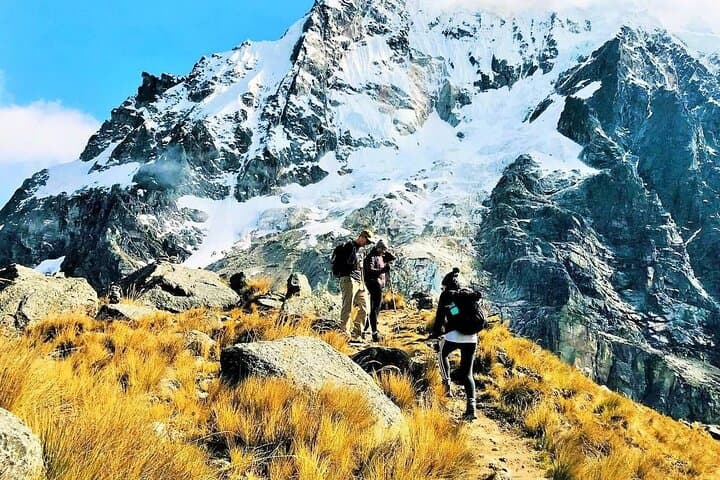
The morning air on day one bites with salt and glacier dust as you climb from Soraypampa toward the turquoise Humantay Lagoon. Sharp peaks loom; the Salkantay massif hums like a slow engine above you, and the trail alternates between stony switchbacks and wide, wind-swept meadows.
The morning air on day one bites with salt and glacier dust as you climb from Soraypampa toward the turquoise Humantay Lagoon. Sharp peaks loom; the Salkantay massif hums like a slow engine above you, and the trail alternates between stony switchbacks and wide, wind-swept meadows.
This five-day route threads through distinct Peruvian ecosystems: alpine tundra and snowfields near the 4,650 m Salkantay Pass, then a dramatic descent into humid cloud forest where rivers hurry and orchids claim the understory. The Inca footprint is tangible—terraced ruins like Llactapata keep watch over the valley and hint at the engineering that fed the empire. Geologically, you pass glacial-carved cirques and laterite-rich jungle soils, a visible record of the Andes’ uplift and the Amazon basin’s edge.
Local culture arrives in the form of small coffee farms, steep avocado groves and Quechua families who maintain traditional crops and crafts; guides share stories about the mountains as living forces that demand respect. Expect nights in tents with basic comforts, a staffed kitchen, and one night in Aguas Calientes before the citadel.
Practically: acclimate in Cusco for 2–3 days beforehand, carry layered clothing for a 20–30°C swing between ridge and jungle, and budget for a daypack on Machu Picchu morning. Footwear should be broken-in, waterproof, with good traction. Hydrate often at altitude, pace uphill steps, and listen to guides; they manage weather, porters and permits. On clear mornings, sunrise at Machu Picchu rewards every sore calf and cold campfire.