THE ADVENTURE COLLECTIVE® · Independent discovery and booking for outdoor travel

This five-day Salkantay trek moves from high glacial passes and Humantay’s turquoise lake down through coffee-tinged valleys to Aguas Calientes and Machu Picchu. Expect long ascents, cold nights, and rich cultural encounters.
This five-day Salkantay trek moves from high glacial passes and Humantay’s turquoise lake down through coffee-tinged valleys to Aguas Calientes and Machu Picchu. Expect long ascents, cold nights, and rich cultural encounters.
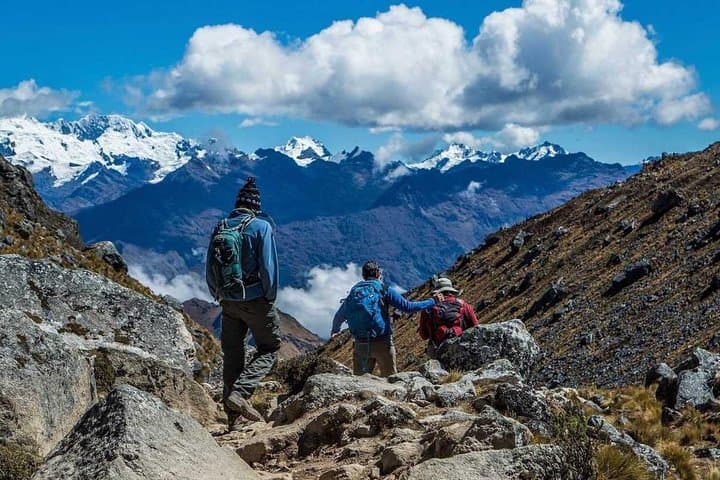
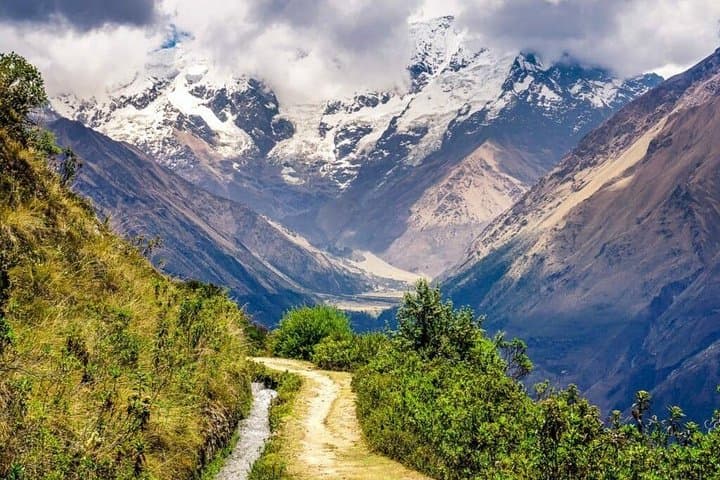
Dawn arrives over the Andes and the Salkantay massif looms like a glacier-forged rampart, its ridges drawing a cold line across the sky. From the pre-dawn pickup in Cusco you climb highway switchbacks into puna grasslands, step into Soraypampa’s thin air, and follow a trail that alternates between jagged moraine views and green cloud-forest descents. The first day's side-trip to Laguna Humantay introduces the trek: an aqua bowl cupped beneath a hanging glacier; the lake reflects the mountain and dares you to breathe deeper.
Verified experiences and guided adventures in the surrounding area.
Operated by Incas Advisor Travel Peru · Cusco, Cusco
Dawn arrives over the Andes and the Salkantay massif looms like a glacier-forged rampart, its ridges drawing a cold line across the sky. From the pre-dawn pickup in Cusco you climb highway switchbacks into puna grasslands, step into Soraypampa’s thin air, and follow a trail that alternates between jagged moraine views and green cloud-forest descents. The first day's side-trip to Laguna Humantay introduces the trek: an aqua bowl cupped beneath a hanging glacier; the lake reflects the mountain and dares you to breathe deeper.
This route threads Inca and pre-Inca landscapes. Salkantay—once revered as an Apu—served as a ritual high point for Andean peoples; the route was an ecological corridor between ice-field and river valley. Geologically, the trail runs along uplifted granite and glacial deposits, then drops into warm valleys where coca and coffee thrive. Cultural moments—coca leaf offerings, evening stories by the cookfire, local farmhands tending terraces—are part of the rhythm.
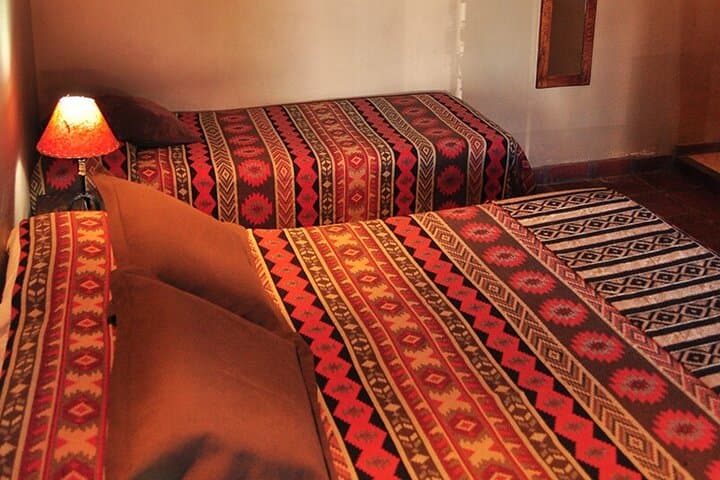
Practically: expect steep, high-altitude walking with one night near 4,600 m at the Salkantay pass, long downhill days into humid cloud forest, and a final approach to Aguas Calientes before Machu Picchu. Hydrate, manage pace for altitude, and reserve your Machu Picchu or bus tickets ahead. Camps are basic chozas and shared tents; guides provide meals. Footwear with firm ankle support, layered insulation, and a sense of patience make the difference. On this trail the mountain tests your legs and the jungle welcomes your descent—both reward steady steps and respect for fragile Andean ecosystems.
challenging.
5 days.
Good cardiovascular fitness and experience with multi-day altitude trekking; able to walk 6–8 hours uphill and downhill on consecutive days.
No special government permit is required for the Salkantay route, but Machu Picchu entrance tickets and bus or train tickets from Aguas Calientes are required and should be booked ahead.
The highest point is around 4,620 m at Abra Salkantay; acclimatization and a conservative pace are essential to minimize altitude sickness.
Yes—this operator uses basic andiridian chozas and camp setups with meals included; bring your own sleeping bag unless otherwise arranged.
Yes, but Huayna Picchu and Montaña tickets are limited—book them in advance; factor in the time and physical strain after an early Machu Picchu visit.
Salkantay was venerated as an Apu (mountain spirit) by Andean communities and formed part of pilgrimage and trade corridors linked to the Inca heartland.
Stick to established trails, pack out waste, and avoid single-use plastics; local guides work with communities to limit camp impacts and protect fragile páramo and cloud-forest zones.
Incas Advisor Travel Peru operates guided outdoor trips and adventures with an emphasis on safety, stewardship, and memorable experiences.

Dawn arrives over the Andes and the Salkantay massif looms like a glacier-forged rampart, its ridges drawing a cold line across the sky. From the pre-dawn pickup in Cusco you climb highway switchbacks into puna grasslands, step into Soraypampa’s thin air, and follow a trail that alternates between jagged moraine views and green cloud-forest descents. The first day's side-trip to Laguna Humantay introduces the trek: an aqua bowl cupped beneath a hanging glacier; the lake reflects the mountain and dares you to breathe deeper.
Dawn arrives over the Andes and the Salkantay massif looms like a glacier-forged rampart, its ridges drawing a cold line across the sky. From the pre-dawn pickup in Cusco you climb highway switchbacks into puna grasslands, step into Soraypampa’s thin air, and follow a trail that alternates between jagged moraine views and green cloud-forest descents. The first day's side-trip to Laguna Humantay introduces the trek: an aqua bowl cupped beneath a hanging glacier; the lake reflects the mountain and dares you to breathe deeper.
This route threads Inca and pre-Inca landscapes. Salkantay—once revered as an Apu—served as a ritual high point for Andean peoples; the route was an ecological corridor between ice-field and river valley. Geologically, the trail runs along uplifted granite and glacial deposits, then drops into warm valleys where coca and coffee thrive. Cultural moments—coca leaf offerings, evening stories by the cookfire, local farmhands tending terraces—are part of the rhythm.
Practically: expect steep, high-altitude walking with one night near 4,600 m at the Salkantay pass, long downhill days into humid cloud forest, and a final approach to Aguas Calientes before Machu Picchu. Hydrate, manage pace for altitude, and reserve your Machu Picchu or bus tickets ahead. Camps are basic chozas and shared tents; guides provide meals. Footwear with firm ankle support, layered insulation, and a sense of patience make the difference. On this trail the mountain tests your legs and the jungle welcomes your descent—both reward steady steps and respect for fragile Andean ecosystems.