THE ADVENTURE COLLECTIVE® · Independent discovery and booking for outdoor travel

A five-day route that traverses snow-capped passes, cloud forest and coffee valleys before delivering you to Machu Picchu at dawn. This trek mixes high-altitude challenge with jungle biodiversity and local Quechua culture.
A five-day route that traverses snow-capped passes, cloud forest and coffee valleys before delivering you to Machu Picchu at dawn. This trek mixes high-altitude challenge with jungle biodiversity and local Quechua culture.
At first light the trail breathes cold air from the glaciated shoulders of Salkantay, and your boots crunch on a high, stony trail while condors wheel above like patient sentries.
Verified experiences and guided adventures in the surrounding area.
Operated by GO PERU ADVENTURE · Cusco, Cusco
At first light the trail breathes cold air from the glaciated shoulders of Salkantay, and your boots crunch on a high, stony trail while condors wheel above like patient sentries.
Over five days you move from high puna—where wind and snow command respect—down through cloud forest and into the humid valleys that feed the Urubamba. The walk begins near Soraypampa with a side hike to the turquoise Humantay Lake, climbs to the Salkantay Pass (around 4,600 m) for panoramic views of Salkantay’s serrated summit, then descends into the green, humid bands of the Amazon slope before finishing with a guided visit to Machu Picchu.
Geology here is dramatic: uplifted Andean cores and glacially carved valleys give way to volcanic and metamorphic rock, and the vegetation shifts rapidly with every few hundred meters. Indigenous Quechua culture remains present in villages along the route—farm terraces, coffee plots and hot springs tell stories of long-continuous mountain life.
Practically, expect long days of hiking (6–8 hours typical), high altitude, and a mix of rocky passes, steep switchbacks and muddy jungle trails. Pack layered clothing, a reliable waterproof shell, and gaiters for wet sections. Stay hydrated and pace yourself on the ascent; altitude can blunt energy even for fit hikers.
Your guide handles permits, camping logistics, and the final train segment from Aguas Calientes, letting you focus on the trail, the wildlife, and that first view of the Lost City in the cool morning light.
challenging.
5 days.
Good cardiovascular fitness and experience with multi-day hikes at altitude; able to walk 6–8 hours a day with elevation change.
The route reaches roughly 4,600 m at Salkantay Pass; altitude effects are common—acclimatize in Cusco, hydrate, and communicate symptoms to your guide.
No technical skills are needed, but you should be comfortable with multi-day hikes and carrying a daypack for several hours daily.
Operators typically carry up to 7 kg per person on mules or horses; bring essentials in your daypack and confirm exact allowances before departure.
Yes—the itinerary includes a standard train ticket from Aguas Calientes to Ollantaytambo; bus options to Machu Picchu are extra and timed early morning.
The route follows ancient Andean pathways and trade routes used by pre-Inca and Inca communities, linking high puna to tropical valleys.
High visitation pressures require sticking to marked trails, packing out waste, and using established camps; operators often follow local regulations to minimize impact.
GO PERU ADVENTURE operates guided outdoor trips and adventures with an emphasis on safety, stewardship, and memorable experiences.
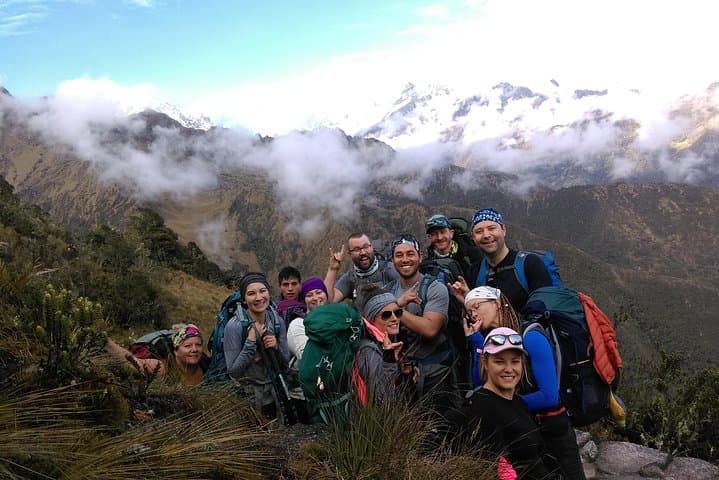
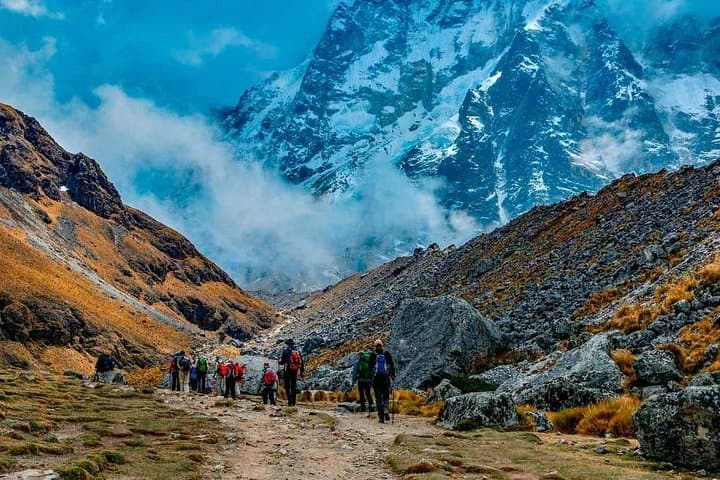
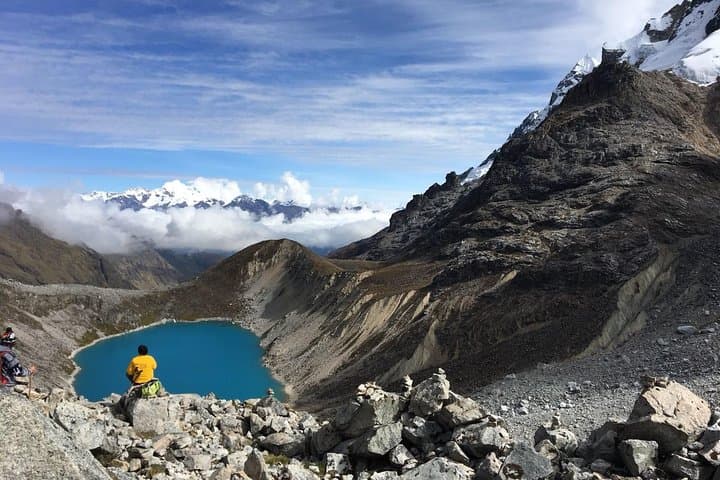
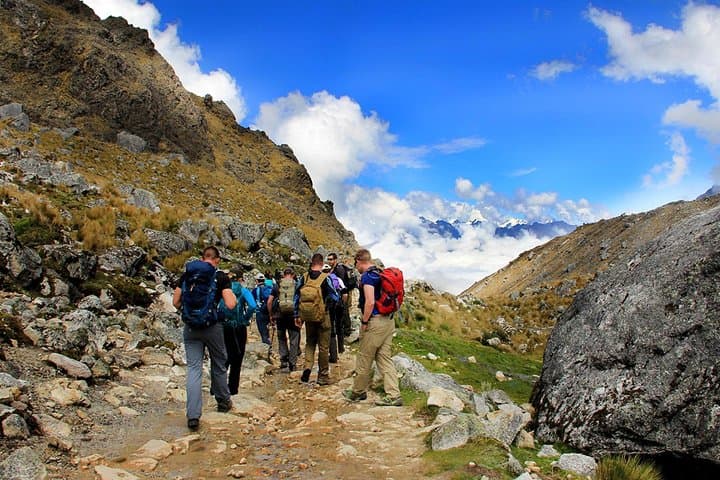
At first light the trail breathes cold air from the glaciated shoulders of Salkantay, and your boots crunch on a high, stony trail while condors wheel above like patient sentries.
At first light the trail breathes cold air from the glaciated shoulders of Salkantay, and your boots crunch on a high, stony trail while condors wheel above like patient sentries.
Over five days you move from high puna—where wind and snow command respect—down through cloud forest and into the humid valleys that feed the Urubamba. The walk begins near Soraypampa with a side hike to the turquoise Humantay Lake, climbs to the Salkantay Pass (around 4,600 m) for panoramic views of Salkantay’s serrated summit, then descends into the green, humid bands of the Amazon slope before finishing with a guided visit to Machu Picchu.
Geology here is dramatic: uplifted Andean cores and glacially carved valleys give way to volcanic and metamorphic rock, and the vegetation shifts rapidly with every few hundred meters. Indigenous Quechua culture remains present in villages along the route—farm terraces, coffee plots and hot springs tell stories of long-continuous mountain life.
Practically, expect long days of hiking (6–8 hours typical), high altitude, and a mix of rocky passes, steep switchbacks and muddy jungle trails. Pack layered clothing, a reliable waterproof shell, and gaiters for wet sections. Stay hydrated and pace yourself on the ascent; altitude can blunt energy even for fit hikers.
Your guide handles permits, camping logistics, and the final train segment from Aguas Calientes, letting you focus on the trail, the wildlife, and that first view of the Lost City in the cool morning light.