THE ADVENTURE COLLECTIVE® · Independent discovery and booking for outdoor travel

Five days of high passes, glacial views and cloud-forest descents deliver you to Machu Picchu. This Salkantay route mixes demanding altitude with lush subtropical valleys—prepare for cold nights, steep climbs and unforgettable vistas.
Five days of high passes, glacial views and cloud-forest descents deliver you to Machu Picchu. This Salkantay route mixes demanding altitude with lush subtropical valleys—prepare for cold nights, steep climbs and unforgettable vistas.
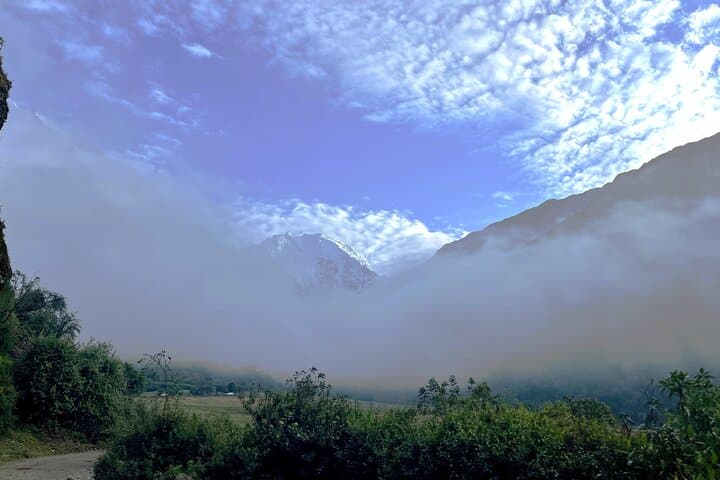
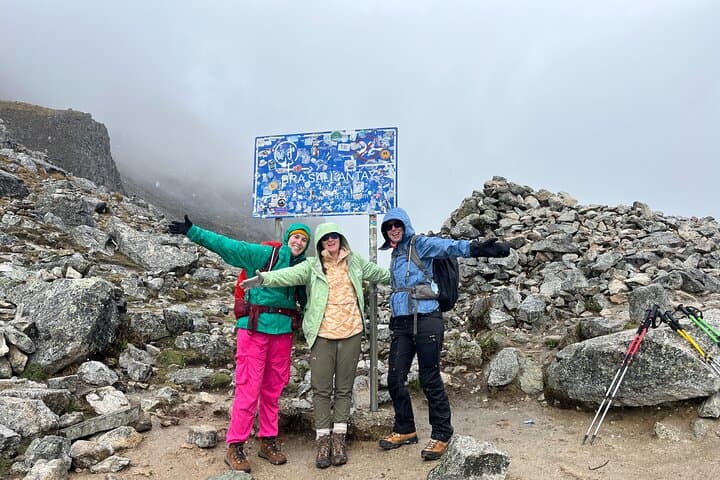
The morning air from Cusco bites sharp as the van climbs toward the puna; Salkantay’s bulk fills the wind and seems to watch every step. You’ll leave paved roads behind for braided mule tracks, cross a high pass where the glacier-scarred peak presides, and descend through cloud forest that feels as if it’s pulling you toward steam and orchids.
Verified experiences and guided adventures in the surrounding area.
Operated by CrossoverPeru Tours · Cusco, Cusco
The morning air from Cusco bites sharp as the van climbs toward the puna; Salkantay’s bulk fills the wind and seems to watch every step. You’ll leave paved roads behind for braided mule tracks, cross a high pass where the glacier-scarred peak presides, and descend through cloud forest that feels as if it’s pulling you toward steam and orchids.
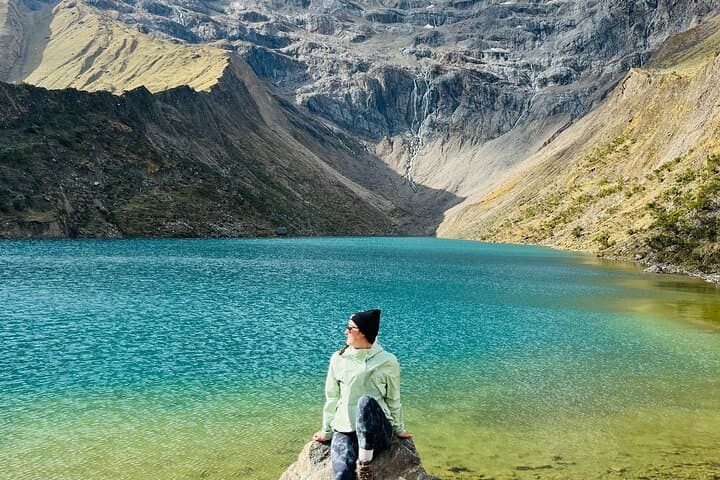
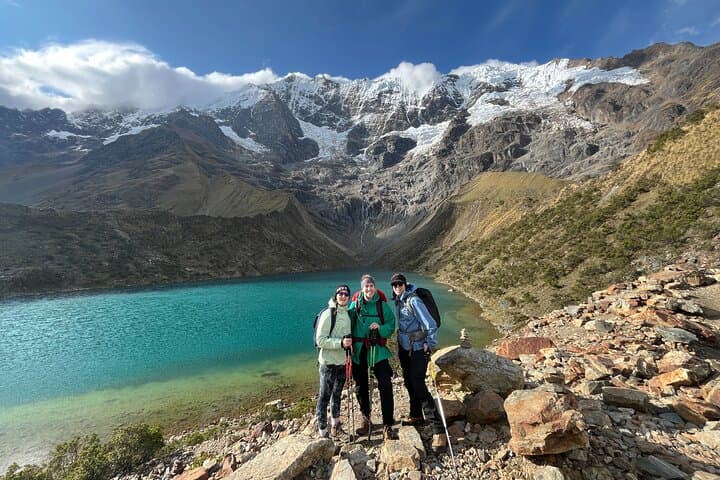
Salkantay—Sallqantay in Quechua, often translated as “wild” or “invincible”—is the highest peak of the Vilcabamba range. Geologically it’s a glaciated granite massif; the trek traces dramatic ecological bands, from high Andean tundra and glacial lakes like Humantay, down through montane forest to the coffee valleys and the old Inca trail that looks toward Llactapata and Machu Picchu.
Culturally the route threads small Quechua communities and coffee farms; you’ll camp under a sky that sharpens at altitude and trade stories with guides who know the land’s rhythms. The hike is practical: expect single‑day ascents to ~4,600m, stiff descents, muddy forest trails, and a mix of camping and one hotel night in Aguas Calientes before the citadel.
Plan for altitude acclimatization in Cusco, sturdy waterproof boots, layered insulation for cold nights, and sun protection for high passes. Hydrate continuously and consider slow-paced ascents; horses or porters can carry heavy loads. Logistics: book Machu Picchu entry and your return train in advance, arrive early at the citadel to avoid crowds, and budget extra time for weather delays. The route rewards effort with raw mountain views, Amazonian humidity, and a final, quiet approach to one of the world’s most enduring archaeological sites.
challenging.
5 days.
Good aerobic fitness, experience with multi-day hiking and ability to cope with long ascents at altitude
Salkantay is generally more physically demanding due to higher passes (~4,600m), longer daily ascents/descents and camping; it’s less archaeological but more varied ecologically.
A guide is strongly recommended for navigation, safety and cultural interpretation; porters or mule services are commonly available to carry heavy bags on multi-day tours.
Yes—Machu Picchu tickets are required and often time‑slot specific; book entrance and the return train in advance to secure your itinerary.
Acclimatize in Cusco, hydrate, avoid alcohol before hiking, ascend slowly, and consider talking to a doctor about acetazolamide if you have prior issues with altitude.
Salkantay was a sacred peak to Andean peoples; the route follows ancient corridors used for trade and seasonal movement and provides an alternate approach to Machu Picchu.
High Andean and cloud-forest zones are fragile—stick to trails, pack out waste, use established campsites and minimize campfire impacts to protect water sources and endemic species.
CrossoverPeru Tours operates guided outdoor trips and adventures with an emphasis on safety, stewardship, and memorable experiences.
The morning air from Cusco bites sharp as the van climbs toward the puna; Salkantay’s bulk fills the wind and seems to watch every step. You’ll leave paved roads behind for braided mule tracks, cross a high pass where the glacier-scarred peak presides, and descend through cloud forest that feels as if it’s pulling you toward steam and orchids.
The morning air from Cusco bites sharp as the van climbs toward the puna; Salkantay’s bulk fills the wind and seems to watch every step. You’ll leave paved roads behind for braided mule tracks, cross a high pass where the glacier-scarred peak presides, and descend through cloud forest that feels as if it’s pulling you toward steam and orchids.
Salkantay—Sallqantay in Quechua, often translated as “wild” or “invincible”—is the highest peak of the Vilcabamba range. Geologically it’s a glaciated granite massif; the trek traces dramatic ecological bands, from high Andean tundra and glacial lakes like Humantay, down through montane forest to the coffee valleys and the old Inca trail that looks toward Llactapata and Machu Picchu.
Culturally the route threads small Quechua communities and coffee farms; you’ll camp under a sky that sharpens at altitude and trade stories with guides who know the land’s rhythms. The hike is practical: expect single‑day ascents to ~4,600m, stiff descents, muddy forest trails, and a mix of camping and one hotel night in Aguas Calientes before the citadel.
Plan for altitude acclimatization in Cusco, sturdy waterproof boots, layered insulation for cold nights, and sun protection for high passes. Hydrate continuously and consider slow-paced ascents; horses or porters can carry heavy loads. Logistics: book Machu Picchu entry and your return train in advance, arrive early at the citadel to avoid crowds, and budget extra time for weather delays. The route rewards effort with raw mountain views, Amazonian humidity, and a final, quiet approach to one of the world’s most enduring archaeological sites.