THE ADVENTURE COLLECTIVE® · Independent discovery and booking for outdoor travel

A five-day traverse from high alpine passes into cloud forest, the Salkantay Classic delivers dramatic glaciers, an Andean pass at ~4,600 m, and a jungle approach to Machu Picchu. This guide outlines what to expect—from terrain and timings to practical gear and seasonal cautions.
A five-day traverse from high alpine passes into cloud forest, the Salkantay Classic delivers dramatic glaciers, an Andean pass at ~4,600 m, and a jungle approach to Machu Picchu. This guide outlines what to expect—from terrain and timings to practical gear and seasonal cautions.
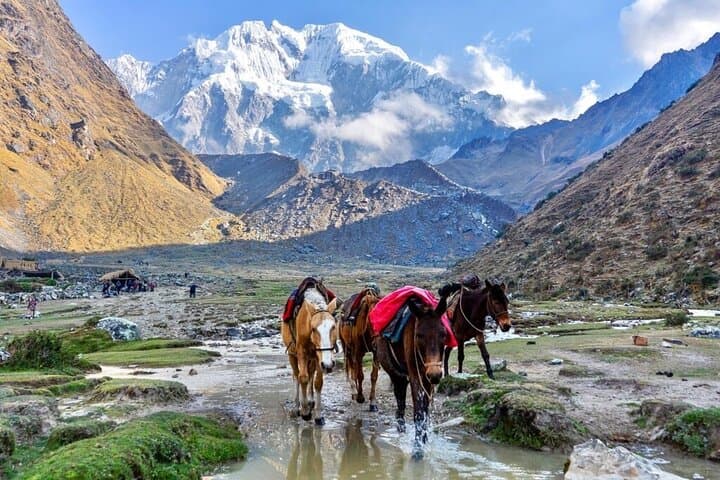
A pre-dawn van eases out of Cusco and the road climbs toward the high puna. You step out at Challacancha into thin air and a sky so close it feels touchable; the first day unfolds with the glitter of glacial peaks and the teal mirror of Humantay Lake. By day two the trail pushes you up to the Salkantay Pass—rock, moraine and wind—then folds you down through fog, orchids and banana groves until the jungle takes hold.
Verified experiences and guided adventures in the surrounding area.
Operated by Machupicchu Peru Company · Cusco, Cusco
A pre-dawn van eases out of Cusco and the road climbs toward the high puna. You step out at Challacancha into thin air and a sky so close it feels touchable; the first day unfolds with the glitter of glacial peaks and the teal mirror of Humantay Lake. By day two the trail pushes you up to the Salkantay Pass—rock, moraine and wind—then folds you down through fog, orchids and banana groves until the jungle takes hold.
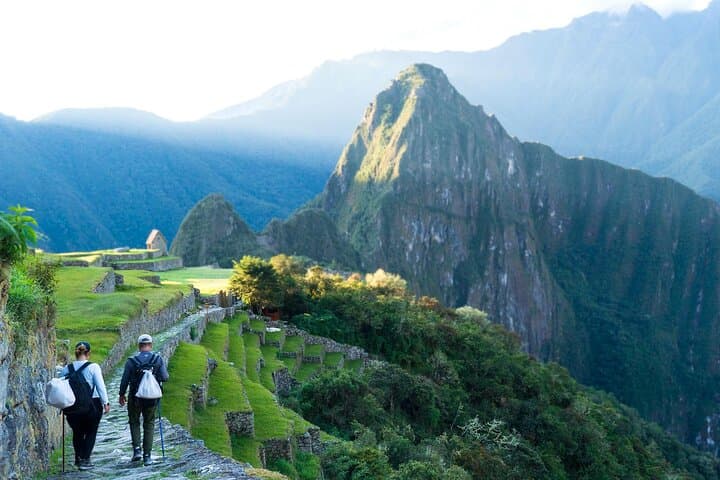
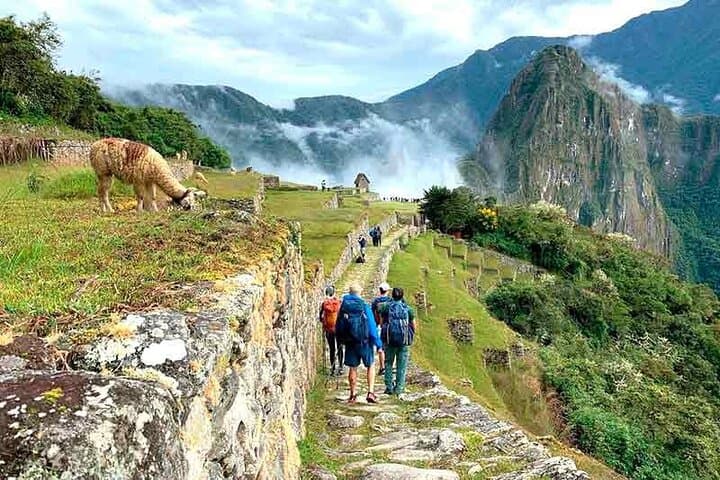
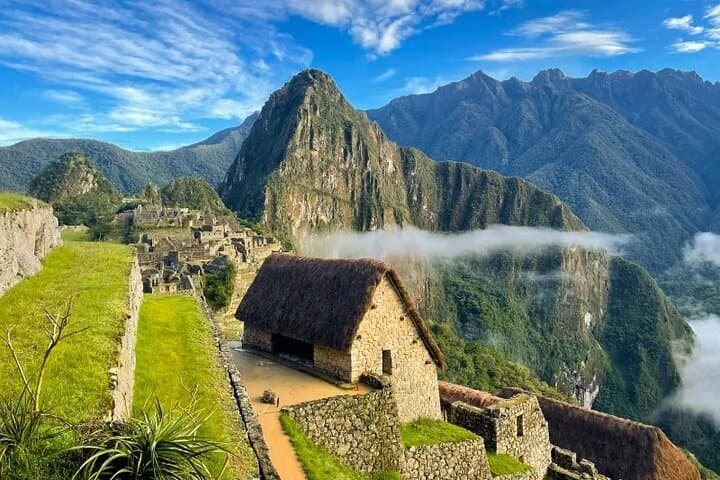
Geology here is immediate: Salkantay is a glaciated peak of the Vilcabamba range, carved by ice and rivers into steep ridges that channel weather from the Pacific into cloud forest valleys. The route threads historical seams too—Inca paths and lookout sites like Llactapata that frame Machu Picchu from a distance, and rural communities who farm coffee and corn along the Santa Teresa valley.
Practical guidance matters. Expect 4–6 hours of hiking most days, a highest point near 4,600 m at the pass, and roughly 60–75 km of trail across five days. Terrain shifts from alpine scree and high grass to muddy jungle trails; sturdy boots and layered insulation are non-negotiable. Acclimatize in Cusco for 48–72 hours if you can, carry water treatment or purification tablets, and plan for rain—especially December through March. The itinerary commonly includes porters, camp gear and a final train or walk from Hidroelectrica to Aguas Calientes. Move deliberately, respect the altitude, and you’ll earn a first look at Machu Picchu that feels earned rather than rushed.
challenging.
5 days (approx. 30–40 hours hiking).
Suitable for hikers with good aerobic fitness and some high-altitude trekking experience; be prepared for consecutive days of sustained uphill and downhill.
No special government permit is required for the Salkantay route itself, but you must purchase a separate Machu Picchu entrance ticket and train/bus tickets as needed.
The pass reaches roughly 4,600 m and involves several hours of sustained ascent over rocky, high-altitude terrain—expect it to be the most strenuous day.
Yes—many trekkers walk the 2–3 hour rail-side trail to Aguas Calientes; a train option exists for an extra fee and saves time for the next morning.
Guides are not legally mandatory on the Salkantay route but are strongly recommended for logistics, safety, and local knowledge—many operators include guides, porters and camp equipment.
The trail follows pre-Columbian routes and Inca trail segments; Llactapata and nearby sites were part of the broader network serving Machu Picchu and Vilcabamba communities.
Support operators that use porters responsibly, avoid single-use plastics, stay on established trails and pack out waste to protect fragile highland and cloud-forest ecosystems.
Machupicchu Peru Company operates guided outdoor trips and adventures with an emphasis on safety, stewardship, and memorable experiences.
A pre-dawn van eases out of Cusco and the road climbs toward the high puna. You step out at Challacancha into thin air and a sky so close it feels touchable; the first day unfolds with the glitter of glacial peaks and the teal mirror of Humantay Lake. By day two the trail pushes you up to the Salkantay Pass—rock, moraine and wind—then folds you down through fog, orchids and banana groves until the jungle takes hold.
A pre-dawn van eases out of Cusco and the road climbs toward the high puna. You step out at Challacancha into thin air and a sky so close it feels touchable; the first day unfolds with the glitter of glacial peaks and the teal mirror of Humantay Lake. By day two the trail pushes you up to the Salkantay Pass—rock, moraine and wind—then folds you down through fog, orchids and banana groves until the jungle takes hold.
Geology here is immediate: Salkantay is a glaciated peak of the Vilcabamba range, carved by ice and rivers into steep ridges that channel weather from the Pacific into cloud forest valleys. The route threads historical seams too—Inca paths and lookout sites like Llactapata that frame Machu Picchu from a distance, and rural communities who farm coffee and corn along the Santa Teresa valley.
Practical guidance matters. Expect 4–6 hours of hiking most days, a highest point near 4,600 m at the pass, and roughly 60–75 km of trail across five days. Terrain shifts from alpine scree and high grass to muddy jungle trails; sturdy boots and layered insulation are non-negotiable. Acclimatize in Cusco for 48–72 hours if you can, carry water treatment or purification tablets, and plan for rain—especially December through March. The itinerary commonly includes porters, camp gear and a final train or walk from Hidroelectrica to Aguas Calientes. Move deliberately, respect the altitude, and you’ll earn a first look at Machu Picchu that feels earned rather than rushed.