THE ADVENTURE COLLECTIVE® · Independent discovery and booking for outdoor travel

A rugged five-day route from the snowy heights of Salkantay down through cloud forest to Machu Picchu. Expect high passes, camp nights, changing ecosystems and deep cultural encounters with Andean life.
A rugged five-day route from the snowy heights of Salkantay down through cloud forest to Machu Picchu. Expect high passes, camp nights, changing ecosystems and deep cultural encounters with Andean life.
You stand under a thin, high sky as the Andes exhale—cold, mineral air that sharpens each view. The trail begins above Soraypampa, climbs past Humantay Lake where turquoise water and hummingbirds punctuate the silence, then rises to the Salkantay pass before dropping into cloud forest that seems to pull you forward with warm, green hands.
Verified experiences and guided adventures in the surrounding area.
Operated by Travel and Healing · Cusco, Cusco
You stand under a thin, high sky as the Andes exhale—cold, mineral air that sharpens each view. The trail begins above Soraypampa, climbs past Humantay Lake where turquoise water and hummingbirds punctuate the silence, then rises to the Salkantay pass before dropping into cloud forest that seems to pull you forward with warm, green hands.
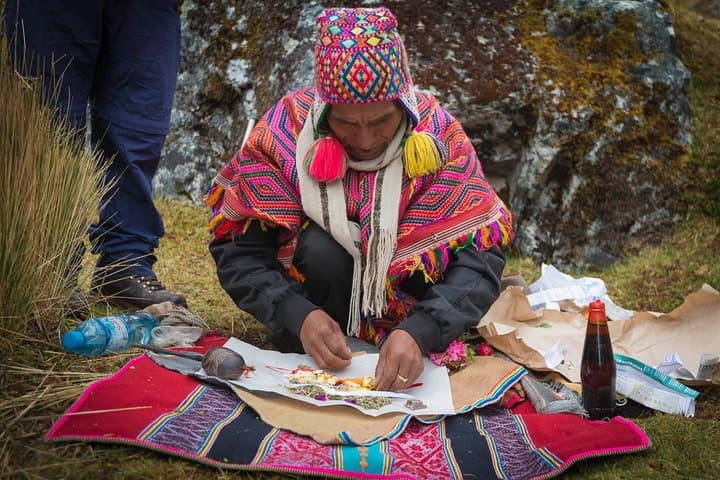
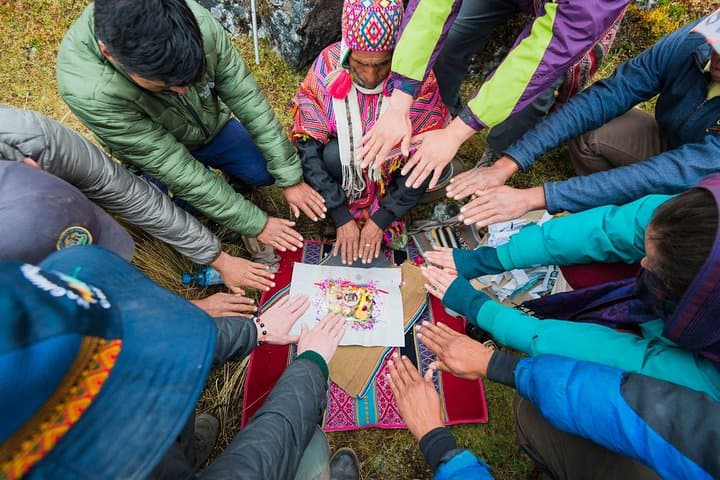
The route threads Inca-era corridors and modern campesino farms. Geologically, the trek moves from glaciated moraine and rocky scree to sediment-rich montane soils that feed waterfalls and coffee plantations. Culturally it’s a living corridor: Quechua traditions remain in highland rites, coca leaf offerings and small farming terraces you'll pass. Hiram Bingham’s 1911 rediscovery of Machu Picchu closed the loop—this trail is an older, wilder approach than the Classic Inca Trail.
Expect five days of varied hiking: a strenuous high pass at 4,600m, long descents into humid forest, and an arrival at Machu Picchu after a final night in Aguas Calientes. Nights alternate between tent camps and a final 3-star hotel. Guides often integrate yoga and meditation; porters and cooks manage camp logistics so hikers can focus on pace and altitude.
Practically: acclimatize in Cusco, carry layered clothing, hydrate often and use sun and rain protection. Plan for muddy sections after rains and narrow, stepped stone paths near Llactapata. Permits for Machu Picchu are included in many packages, but confirm train and entrance windows in advance. This trek rewards endurance with sweeping vistas, quiet archaeological surprises and a tangible sense of the Andes’ power.
challenging.
5 days (approx. 40–50 hours including breaks).
Good aerobic fitness and experience with multi-day hikes at altitude; ability to carry a daypack for 6–8 hours.
Most package itineraries include the Machu Picchu ticket and the final train transfer—confirm your booking details to ensure entry time and train class are specified.
Acclimatize in Cusco for 2–3 days, ascend slowly, stay well hydrated, avoid alcohol, and consider prophylactic acetazolamide after consulting your doctor.
The Salkantay pass day reaches around 4,600m with long sustained climbs—expect 6–8 hours of demanding hiking and cold, windy conditions at the summit.
Yes—operators typically transport main luggage while you carry a daypack; verify baggage allowances and what the service provides before departure.
The trail follows pre-Columbian and Inca corridors; Machu Picchu was brought to international attention by Hiram Bingham in 1911 but local communities have long tended these routes.
High visitor numbers strain fragile soils and water sources; follow leave-no-trace, use designated campsites and respect local waste protocols to reduce impact.
Travel and Healing operates guided outdoor trips and adventures with an emphasis on safety, stewardship, and memorable experiences.
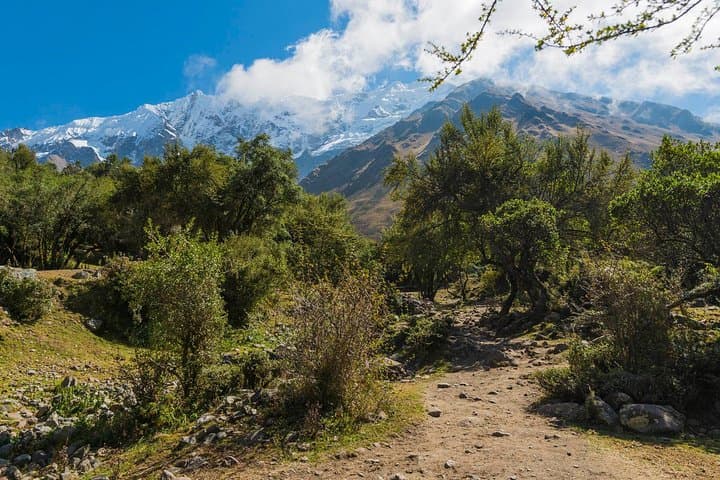
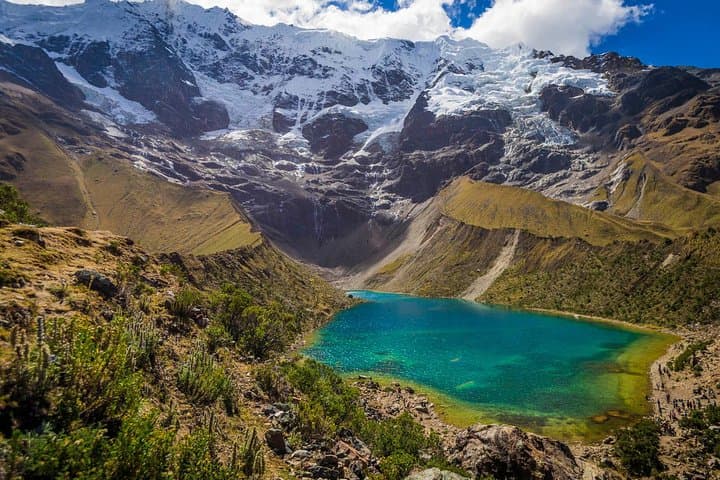
You stand under a thin, high sky as the Andes exhale—cold, mineral air that sharpens each view. The trail begins above Soraypampa, climbs past Humantay Lake where turquoise water and hummingbirds punctuate the silence, then rises to the Salkantay pass before dropping into cloud forest that seems to pull you forward with warm, green hands.
You stand under a thin, high sky as the Andes exhale—cold, mineral air that sharpens each view. The trail begins above Soraypampa, climbs past Humantay Lake where turquoise water and hummingbirds punctuate the silence, then rises to the Salkantay pass before dropping into cloud forest that seems to pull you forward with warm, green hands.
The route threads Inca-era corridors and modern campesino farms. Geologically, the trek moves from glaciated moraine and rocky scree to sediment-rich montane soils that feed waterfalls and coffee plantations. Culturally it’s a living corridor: Quechua traditions remain in highland rites, coca leaf offerings and small farming terraces you'll pass. Hiram Bingham’s 1911 rediscovery of Machu Picchu closed the loop—this trail is an older, wilder approach than the Classic Inca Trail.
Expect five days of varied hiking: a strenuous high pass at 4,600m, long descents into humid forest, and an arrival at Machu Picchu after a final night in Aguas Calientes. Nights alternate between tent camps and a final 3-star hotel. Guides often integrate yoga and meditation; porters and cooks manage camp logistics so hikers can focus on pace and altitude.
Practically: acclimatize in Cusco, carry layered clothing, hydrate often and use sun and rain protection. Plan for muddy sections after rains and narrow, stepped stone paths near Llactapata. Permits for Machu Picchu are included in many packages, but confirm train and entrance windows in advance. This trek rewards endurance with sweeping vistas, quiet archaeological surprises and a tangible sense of the Andes’ power.