THE ADVENTURE COLLECTIVE® · Independent discovery and booking for outdoor travel

A five-day classic that links high Andean glaciers to the cloud forest and Machu Picchu. Expect steep passes, turquoise glacial lakes, and a dramatic descent into the jungle—ideal for acclimatized, fit trekkers.
A five-day classic that links high Andean glaciers to the cloud forest and Machu Picchu. Expect steep passes, turquoise glacial lakes, and a dramatic descent into the jungle—ideal for acclimatized, fit trekkers.
Before dawn the van slides out of Cusco into a thin, high-air silence. Mountains loom as the road tightens toward Mollepata and Soraypampa; by midmorning you’ll shoulder a pack and climb through tussock grass and stone cairns toward the turquoise bowl of Humantay Lake at ~4,200 m. The wind here speaks like a conductor—pushing, cooling, clearing the view to Salkantay’s glaciated flank.
Verified experiences and guided adventures in the surrounding area.
Operated by Peruvian Culture Tours · Cusco, Cusco
Before dawn the van slides out of Cusco into a thin, high-air silence. Mountains loom as the road tightens toward Mollepata and Soraypampa; by midmorning you’ll shoulder a pack and climb through tussock grass and stone cairns toward the turquoise bowl of Humantay Lake at ~4,200 m. The wind here speaks like a conductor—pushing, cooling, clearing the view to Salkantay’s glaciated flank.
This route threads high Andean geology and Inca history: Salkantay is a towering granitic mass carved by ice and time, while trails lower into cloud forest where Inca agricultural terraces and the Llactapata ruins hint at the region’s pre-Hispanic engineering. Guides explain apachetas and traditional offerings to Pacha Mama; you’ll see medicinal plants, orchids and birds as the landscape changes from puna to jungle within days.
Expect long hiking days—3–8 hours per stage—with a 4,620 m high point at the Salkantay pass and steep descents into the Amazon watershed. Terrain varies from well-packed dirt to narrow humid paths and a final flat walk along the railroad into Aguas Calientes. The last morning is a timed, guided 3‑hour visit to Machu Picchu; carry your passport and entrance ticket and decide ahead whether to bus or hike the final ascent.
Practical notes: acclimatize in Cusco 24–48 hours before departure, layer for sun and glacial wind, and bring a lightweight rain shell for cloud forest showers. Hydrate and pace uphill sections; guides typically carry emergency oxygen and provide camping or cabin lodging depending on the night. Book trains and Machu Picchu tickets early—this route is remote enough to feel wild, but organized to get you to the citadel in comfort.
challenging.
5 days.
Good cardiovascular fitness and prior multi-hour hiking experience; ability to handle long days at altitude is required.
No formal experience is required, but you should be physically fit, have acclimatized in Cusco, and be prepared for walking 4–8 hours on some days.
The itinerary includes the one‑way bus ticket to Machu Picchu and a guided visit, but confirm how entrance tickets and train segments are handled at booking.
The pass reaches about 4,620 m with a sustained climb; it’s strenuous but doable with acclimatization and a steady pace.
Yes—most travelers use the bus for the ascent to Machu Picchu, or you can hike the 1.5–2 hour steep trail if you prefer.
The Salkantay route crosses ancient Inca paths and areas where local Quechua communities still practice traditional agriculture and offerings to Pacha Mama.
Trails pass fragile puna and cloud forest ecosystems—stick to paths, avoid single-use plastics, and follow guide instructions to minimize impact.
Peruvian Culture Tours operates guided outdoor trips and adventures with an emphasis on safety, stewardship, and memorable experiences.
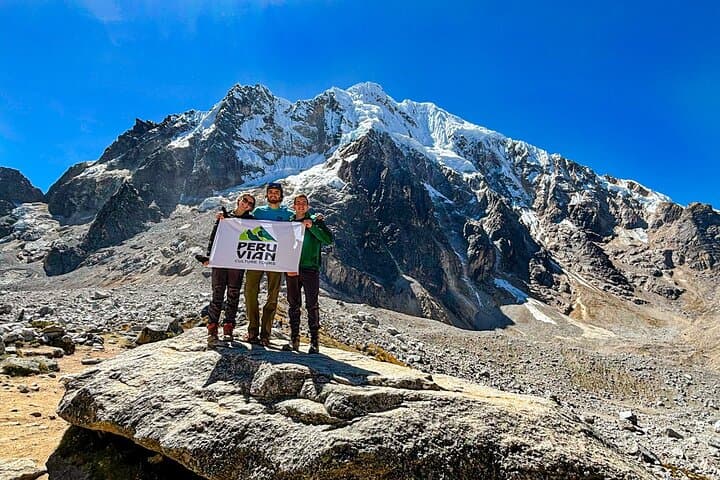
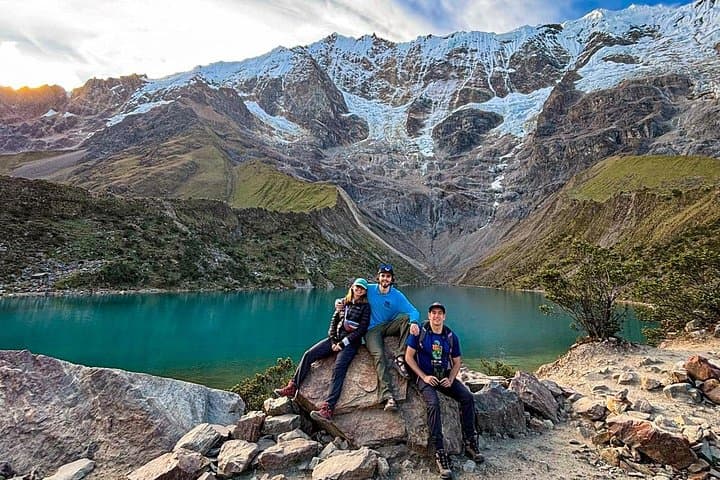
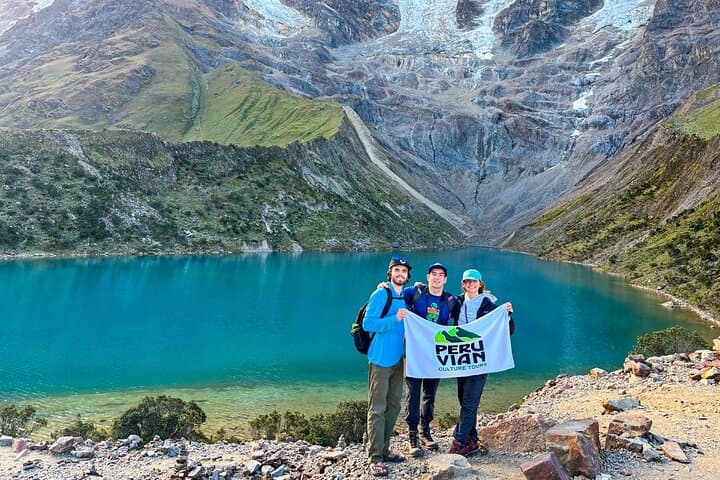
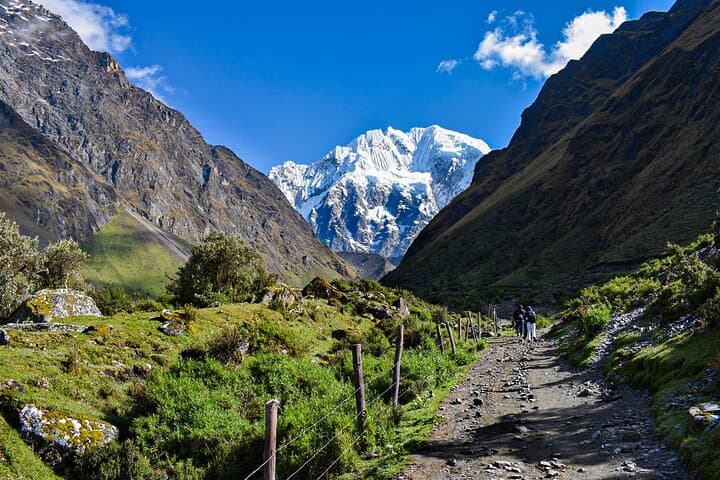
Before dawn the van slides out of Cusco into a thin, high-air silence. Mountains loom as the road tightens toward Mollepata and Soraypampa; by midmorning you’ll shoulder a pack and climb through tussock grass and stone cairns toward the turquoise bowl of Humantay Lake at ~4,200 m. The wind here speaks like a conductor—pushing, cooling, clearing the view to Salkantay’s glaciated flank.
Before dawn the van slides out of Cusco into a thin, high-air silence. Mountains loom as the road tightens toward Mollepata and Soraypampa; by midmorning you’ll shoulder a pack and climb through tussock grass and stone cairns toward the turquoise bowl of Humantay Lake at ~4,200 m. The wind here speaks like a conductor—pushing, cooling, clearing the view to Salkantay’s glaciated flank.
This route threads high Andean geology and Inca history: Salkantay is a towering granitic mass carved by ice and time, while trails lower into cloud forest where Inca agricultural terraces and the Llactapata ruins hint at the region’s pre-Hispanic engineering. Guides explain apachetas and traditional offerings to Pacha Mama; you’ll see medicinal plants, orchids and birds as the landscape changes from puna to jungle within days.
Expect long hiking days—3–8 hours per stage—with a 4,620 m high point at the Salkantay pass and steep descents into the Amazon watershed. Terrain varies from well-packed dirt to narrow humid paths and a final flat walk along the railroad into Aguas Calientes. The last morning is a timed, guided 3‑hour visit to Machu Picchu; carry your passport and entrance ticket and decide ahead whether to bus or hike the final ascent.
Practical notes: acclimatize in Cusco 24–48 hours before departure, layer for sun and glacial wind, and bring a lightweight rain shell for cloud forest showers. Hydrate and pace uphill sections; guides typically carry emergency oxygen and provide camping or cabin lodging depending on the night. Book trains and Machu Picchu tickets early—this route is remote enough to feel wild, but organized to get you to the citadel in comfort.