THE ADVENTURE COLLECTIVE® · Independent discovery and booking for outdoor travel

Combine the high, glaciated ridges of the Salkantay route with the millennia-old stone of the Classic Inca Trail on this 7-day trek. Expect high passes, cloud forest descents, and an unforgettable arrival at Machu Picchu at sunrise.
Combine the high, glaciated ridges of the Salkantay route with the millennia-old stone of the Classic Inca Trail on this 7-day trek. Expect high passes, cloud forest descents, and an unforgettable arrival at Machu Picchu at sunrise.
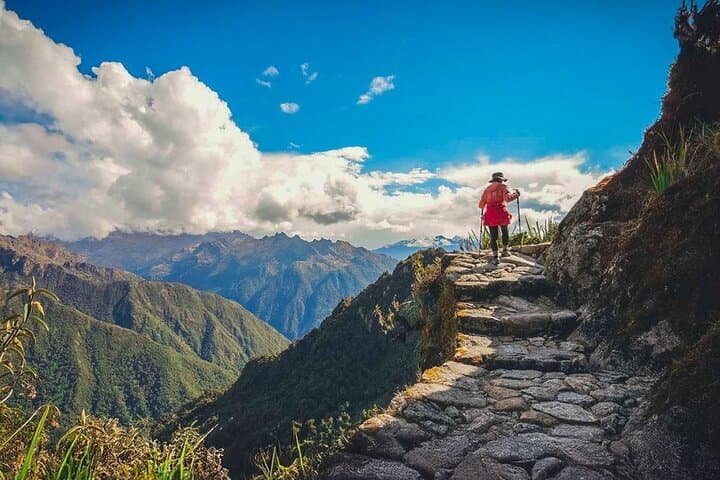
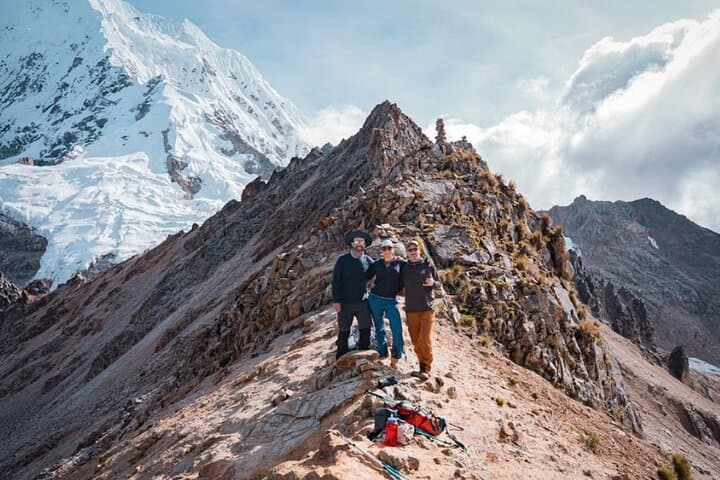
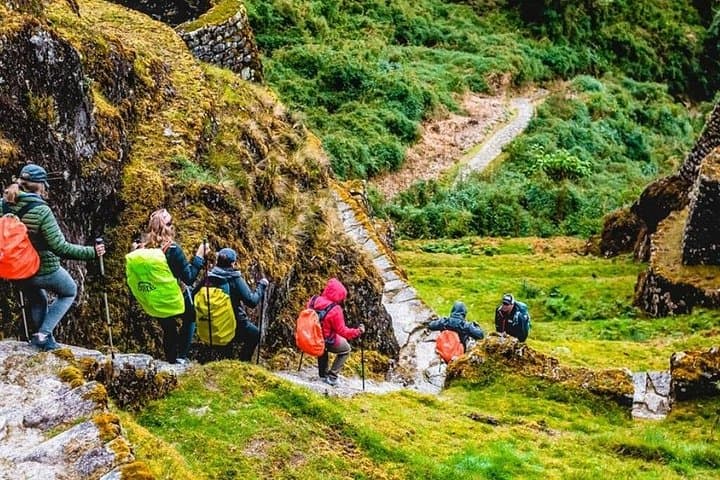
Dawn arrives cold and hard on the high pass above Soraypampa; the summit of Salkantay hangs like a white-etched guardian while your breath puffs rhythmically in the thin air. The trail unspools beneath boot-soles—first through puna grass and stony moraines, then down into green folds of cloud forest where mist dares you forward and orchids cling to mossy trunks.
Verified experiences and guided adventures in the surrounding area.
Operated by Salkantay Trekking · Cusco, Cusco Region
Dawn arrives cold and hard on the high pass above Soraypampa; the summit of Salkantay hangs like a white-etched guardian while your breath puffs rhythmically in the thin air. The trail unspools beneath boot-soles—first through puna grass and stony moraines, then down into green folds of cloud forest where mist dares you forward and orchids cling to mossy trunks.
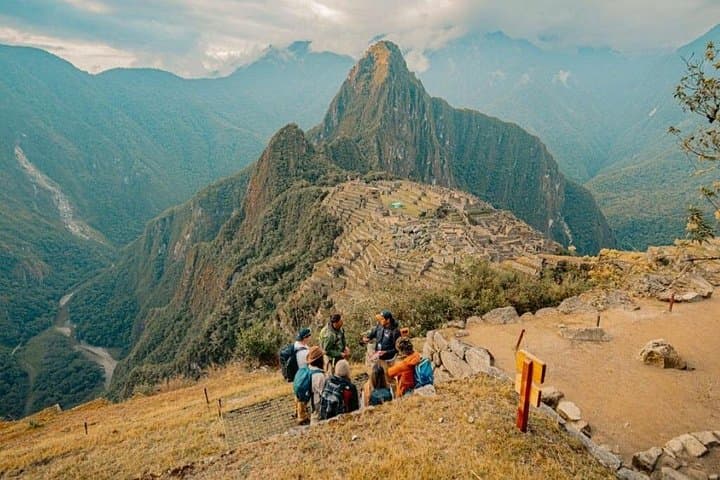
This itinerary marries two of the Andes’ most storied corridors. Salkantay—the glacier-domed peak that gave the route its name—shows the region’s tectonic violence: jagged granite and glacial cirques carved by ice and time. The Classic Inca Trail that follows is ancient engineered stonework: stairways, aqueducts and agricultural terraces used by the Inca to link Cusco with the Vilcabamba and the Urubamba valley. Along the way the culture is present in small ways—coca rituals, local mountain guardians called apus, and remote Quechua farming hamlets.
Practical guidance: expect sustained high-altitude hiking (highest point ~5,100 m) across mixed terrain—rock, packed earth, and Inca stone steps. The route requires daily 4–8 hour sections; be prepared for strong sun, sudden rain in the cloud forest, and cold nights in camp. Hydrate, pace uphill sections, and sleep two nights beforehand in Cusco to acclimatize. Guides handle logistics—camps, meals, permits and gear transport—so focus on fitness, layers, and a light daypack for essentials. If you time the final approach, sunrise at Inti Punku still rewards those who arrive on foot: the city of Machu Picchu unfolds slowly, alive with wind and history.
challenging.
7 days.
Good cardiovascular fitness and experience with multi-day hiking at altitude; able to hike 4–8 hours per day with elevation gain.
Yes—permits are limited and tied to your passport; book at least three months in advance during peak season.
The trek reaches about 5,100 m; spend 48+ hours in Cusco and monitor symptoms—slow pace and coca tea help but consult a physician for altitude concerns.
Guided trips typically include meals, communal camp tents, sleeping bags (sometimes), and porters to move larger gear—confirm specifics with the operator.
Some operators allow children 12+ with a responsible adult; ensure they have prior multi-day hiking experience and medical clearance.
The Inca Trail and Salkantay routes served logistical and ceremonial roles linking Cusco with outlying valleys; stonework and terraces date to pre-Columbian engineering traditions.
Permits and daily limits help protect archaeological sites and fragile cloud-forest ecosystems; follow leave-no-trace rules and avoid removing plant material.
Salkantay Trekking operates guided outdoor trips and adventures with an emphasis on safety, stewardship, and memorable experiences.
Dawn arrives cold and hard on the high pass above Soraypampa; the summit of Salkantay hangs like a white-etched guardian while your breath puffs rhythmically in the thin air. The trail unspools beneath boot-soles—first through puna grass and stony moraines, then down into green folds of cloud forest where mist dares you forward and orchids cling to mossy trunks.
Dawn arrives cold and hard on the high pass above Soraypampa; the summit of Salkantay hangs like a white-etched guardian while your breath puffs rhythmically in the thin air. The trail unspools beneath boot-soles—first through puna grass and stony moraines, then down into green folds of cloud forest where mist dares you forward and orchids cling to mossy trunks.
This itinerary marries two of the Andes’ most storied corridors. Salkantay—the glacier-domed peak that gave the route its name—shows the region’s tectonic violence: jagged granite and glacial cirques carved by ice and time. The Classic Inca Trail that follows is ancient engineered stonework: stairways, aqueducts and agricultural terraces used by the Inca to link Cusco with the Vilcabamba and the Urubamba valley. Along the way the culture is present in small ways—coca rituals, local mountain guardians called apus, and remote Quechua farming hamlets.
Practical guidance: expect sustained high-altitude hiking (highest point ~5,100 m) across mixed terrain—rock, packed earth, and Inca stone steps. The route requires daily 4–8 hour sections; be prepared for strong sun, sudden rain in the cloud forest, and cold nights in camp. Hydrate, pace uphill sections, and sleep two nights beforehand in Cusco to acclimatize. Guides handle logistics—camps, meals, permits and gear transport—so focus on fitness, layers, and a light daypack for essentials. If you time the final approach, sunrise at Inti Punku still rewards those who arrive on foot: the city of Machu Picchu unfolds slowly, alive with wind and history.