THE ADVENTURE COLLECTIVE® · Independent discovery and booking for outdoor travel

A demanding seven-day combination of the high Salkantay passes and the classic Inca Trail, this trek covers 75 km and reaches over 5,000 m before delivering you to Machu Picchu. Expect glacier-polished ridges, stone Inca stairways and variable weather—permit required.
A demanding seven-day combination of the high Salkantay passes and the classic Inca Trail, this trek covers 75 km and reaches over 5,000 m before delivering you to Machu Picchu. Expect glacier-polished ridges, stone Inca stairways and variable weather—permit required.
You wake before dawn in Cusco, breathing thin, cool air as the bus threads upward through Andean farm terraces. The landscape changes fast: high puna grass and glaciated peaks give way to stepped Inca pathways and then to a living cloud forest that seems to pull you forward.
Verified experiences and guided adventures in the surrounding area.
Operated by Inca Trail Specialist · Cusco, Cusco Region
You wake before dawn in Cusco, breathing thin, cool air as the bus threads upward through Andean farm terraces. The landscape changes fast: high puna grass and glaciated peaks give way to stepped Inca pathways and then to a living cloud forest that seems to pull you forward.
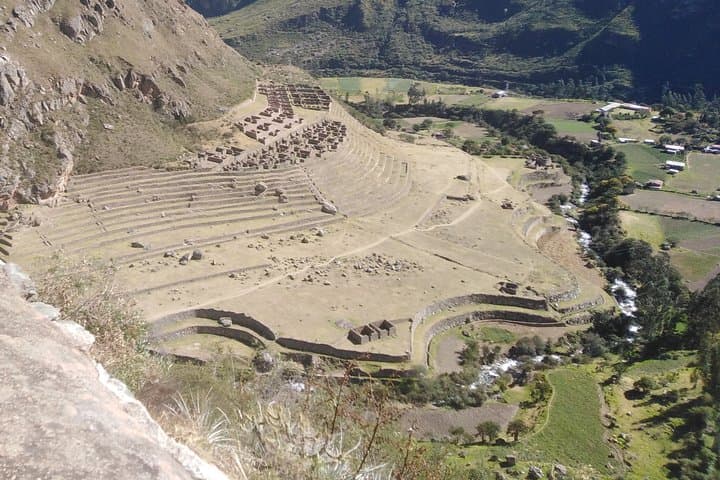
The route fuses two different chapters of Andean history. Salkantay—the jagged peak the Incas revered—dominates the high passes, carved from granite and ancient glacial sculpting. Where the Salkantay trail descends it meets original paved Inca trailwork, stone stairways and ruins like Runkurakay, Phuyupatamarca and Wiñay Wayna that speak to sophisticated pre-Columbian engineering and sacred pilgrimage.
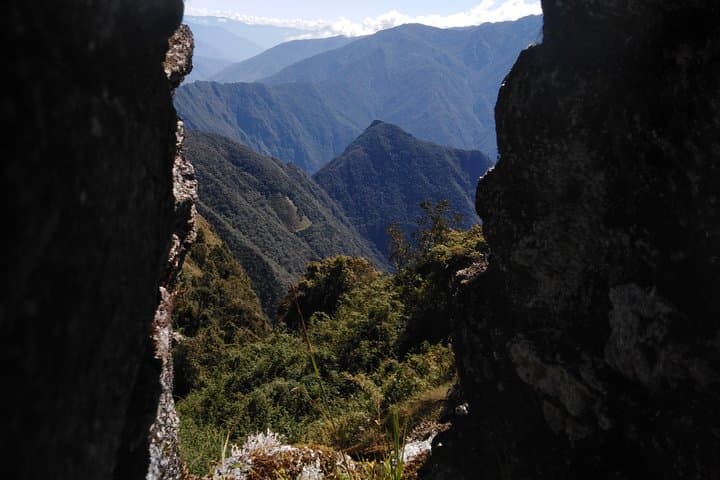
Expect real altitude: the trek covers roughly 75 km (47 miles) with a start elevation around 2,900 m and a high point near 5,028 m. Nights are in tents, temperatures often drop to around 0°C on the coldest nights, and the terrain shifts from rocky passes and scree to steep Inca stone steps and humid forest trails. The flora and fauna change as rapidly as the weather—condors wheel over the high ridges, cloud forest orchids and bromeliads crowd the lower slopes.
Practical guidance: permit entry is required for the Inca Trail; use licensed operators who provide porters and allow only regulated group sizes. Pace yourself for sustained climbs and descents, carry layered clothing for big temperature swings, and bring high-calorie snacks and a reliable water treatment. Timing matters—early starts and measured steps get you to the Sun Gate at dawn, when Machu Picchu’s terraces first reveal themselves beneath the morning mist.
challenging.
7 days.
Strong cardiovascular fitness with multi-day endurance and experience at altitude recommended
Yes—Inca Trail permits are mandatory and limited; the Salkantay portion doesn’t require the same permit but this combined itinerary uses the Inca Trail section, so book through a licensed operator who secures permits.
The Salkantay/Dead Inca’s Pass climbs to about 5,028 m with steep sections; expect thin air, cold winds and several hours of sustained ascent—proper acclimatization is essential.
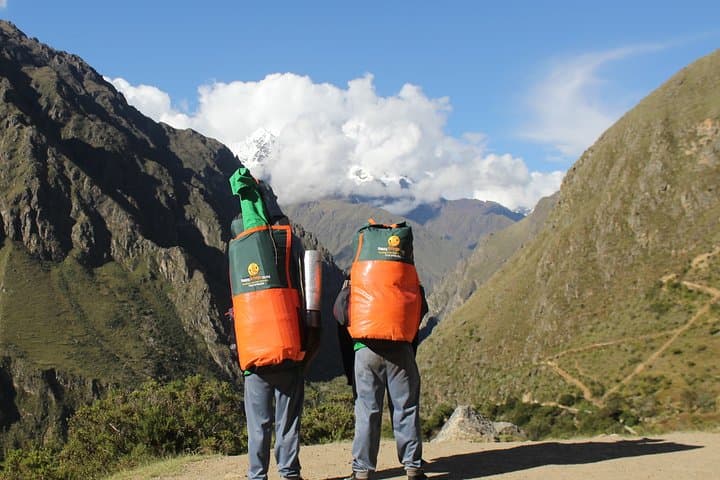
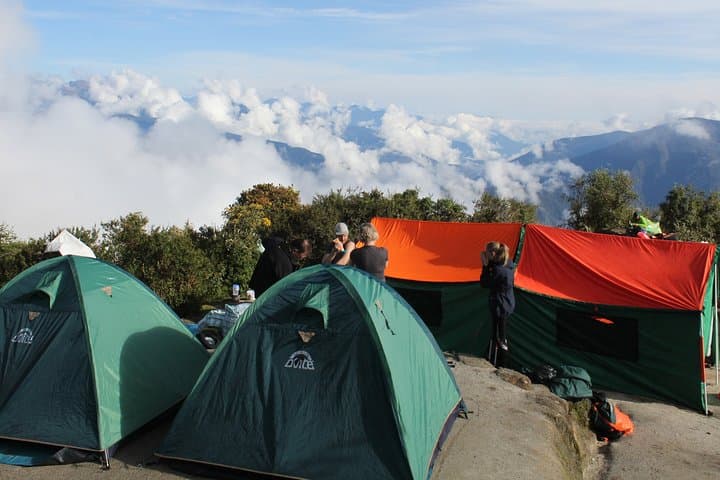
Yes—this private trek includes tent camping and 6 breakfasts, lunches and dinners; operators typically provide staff, cooks and a personal porter for each hiker’s duffel.
This trek is not recommended for travelers with serious spinal injuries or pregnant travelers due to altitude, prolonged exertion and limited medical access.
The Inca Trail sections are part of a vast engineered road network used for pilgrimage and administration, while Salkantay was venerated as an apu (sacred mountain).
The Inca Trail has strict permit limits to reduce erosion and cultural impact; travelers are urged to use licensed operators, respect campsite rules and pack out waste.
Inca Trail Specialist operates guided outdoor trips and adventures with an emphasis on safety, stewardship, and memorable experiences.
You wake before dawn in Cusco, breathing thin, cool air as the bus threads upward through Andean farm terraces. The landscape changes fast: high puna grass and glaciated peaks give way to stepped Inca pathways and then to a living cloud forest that seems to pull you forward.
You wake before dawn in Cusco, breathing thin, cool air as the bus threads upward through Andean farm terraces. The landscape changes fast: high puna grass and glaciated peaks give way to stepped Inca pathways and then to a living cloud forest that seems to pull you forward.
The route fuses two different chapters of Andean history. Salkantay—the jagged peak the Incas revered—dominates the high passes, carved from granite and ancient glacial sculpting. Where the Salkantay trail descends it meets original paved Inca trailwork, stone stairways and ruins like Runkurakay, Phuyupatamarca and Wiñay Wayna that speak to sophisticated pre-Columbian engineering and sacred pilgrimage.
Expect real altitude: the trek covers roughly 75 km (47 miles) with a start elevation around 2,900 m and a high point near 5,028 m. Nights are in tents, temperatures often drop to around 0°C on the coldest nights, and the terrain shifts from rocky passes and scree to steep Inca stone steps and humid forest trails. The flora and fauna change as rapidly as the weather—condors wheel over the high ridges, cloud forest orchids and bromeliads crowd the lower slopes.
Practical guidance: permit entry is required for the Inca Trail; use licensed operators who provide porters and allow only regulated group sizes. Pace yourself for sustained climbs and descents, carry layered clothing for big temperature swings, and bring high-calorie snacks and a reliable water treatment. Timing matters—early starts and measured steps get you to the Sun Gate at dawn, when Machu Picchu’s terraces first reveal themselves beneath the morning mist.