THE ADVENTURE COLLECTIVE® · Independent discovery and booking for outdoor travel

Trade the crowded Inca Trail for a higher, wilder route: the 5-day Salkantay Trek moves from glacial passes to humid jungle before delivering you to Machu Picchu. Expect long days, major altitude changes and unforgettable mountain scenery.
Trade the crowded Inca Trail for a higher, wilder route: the 5-day Salkantay Trek moves from glacial passes to humid jungle before delivering you to Machu Picchu. Expect long days, major altitude changes and unforgettable mountain scenery.
Dawn cuts across the Salkantay massif and the trail opens like a page of geology — scree, glacial moraine and then green folding into cloud forest. You climb through thin air with Salkantay (6,267 m) watching like an indifferent giant while rivers below dare you to move faster. Early-morning mists lift to reveal jagged ridgelines and the turquoise of Humantay Lake; later the path softens into humid jungle where orchids and guava trees crowd the trail.
Verified experiences and guided adventures in the surrounding area.
Operated by Bamba Travel · Cusco, Cusco
Dawn cuts across the Salkantay massif and the trail opens like a page of geology — scree, glacial moraine and then green folding into cloud forest. You climb through thin air with Salkantay (6,267 m) watching like an indifferent giant while rivers below dare you to move faster. Early-morning mists lift to reveal jagged ridgelines and the turquoise of Humantay Lake; later the path softens into humid jungle where orchids and guava trees crowd the trail.
This alternative Inca-era corridor has been used for centuries as a trade and pilgrimage route between high Andean puna and the ceja de selva. The ride from bleak, glaciated passes to sugarcane-scented valleys in four days is a lesson in Andean geology: uplifted volcanic rock, glacial cirques and steep erosion that created switchbacks and waterfalls. Local Quechua communities still herd llamas and tend potato terraces, giving the route cultural texture beyond the ruins at Machu Picchu.
Practical edge: expect four long days of trekking (one day reaches 4,650 m), daily mileage of 12–22 km, and dramatic temperature swings from sub-freezing camps to humid 20°C jungle. Acclimatize in Cusco for 48–72 hours, bring layered insulation, a reliable sleeping bag rated to -5°C, and water treatment. Guides and mule teams carry heavy kit but you must manage a daypack. Book your passport info early—permits and train seats require exact details. Start early to avoid afternoon storms, and leave time in Aguas Calientes to catch the first bus to Machu Picchu at dawn for the best light and fewer crowds.
challenging.
5 days.
Good aerobic fitness and prior day-hiking experience recommended; ability to hike 6–10 hours at high elevation.
The trail reaches a high pass of about 4,650 m; even fit hikers can feel shortness of breath—acclimatization in Cusco (3,400 m) and steady pacing are essential.
Yes—camping equipment, basic sleeping pad, and meals (4 breakfasts, lunches, dinners) are provided; cooks and mule teams carry the bulk of group gear.
Minimum age listed is 7, but the itinerary is demanding; families should evaluate stamina and previous altitude exposure before booking.
No—Huayna Picchu requires a separate ticket and advance booking; the 2-hour Machu Picchu guided visit is included on day 5.
The Salkantay route traces pre-Columbian exchange corridors used by Quechua-speaking communities; its proximity to Inca roads links it to the wider Machu Picchu network.
Trail use is managed to limit campsite impact—pack out waste, respect water sources, and avoid single-use plastics; local operators work with communities to support sustainable tourism.
Bamba Travel operates guided outdoor trips and adventures with an emphasis on safety, stewardship, and memorable experiences.
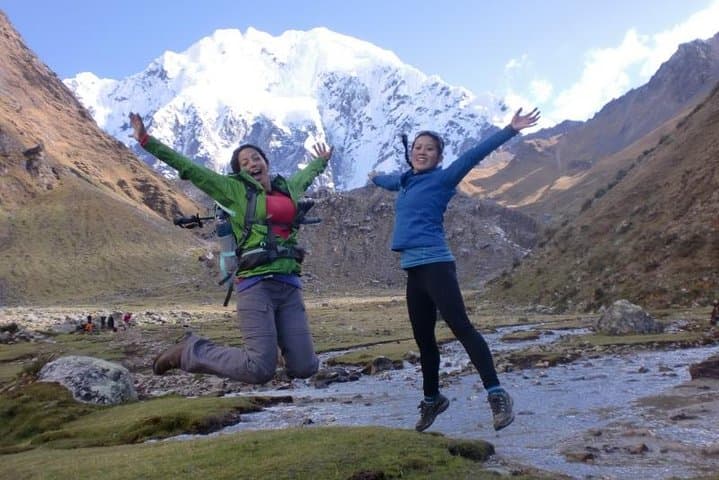
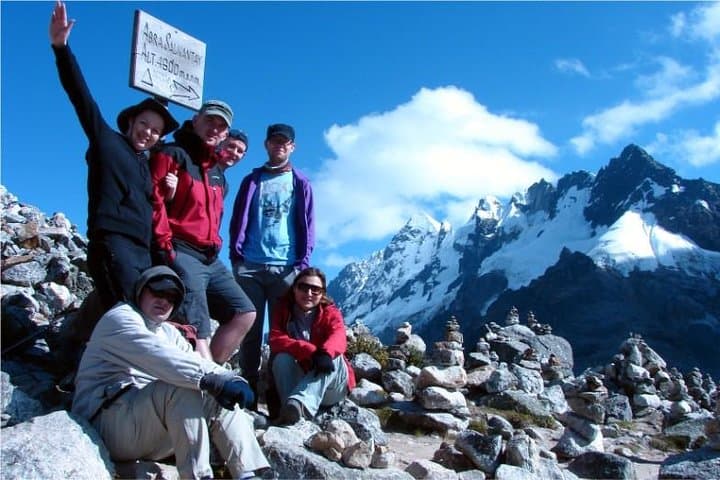
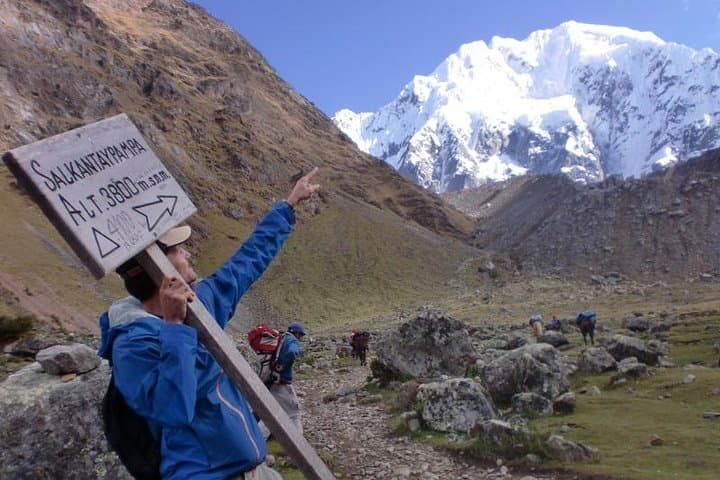
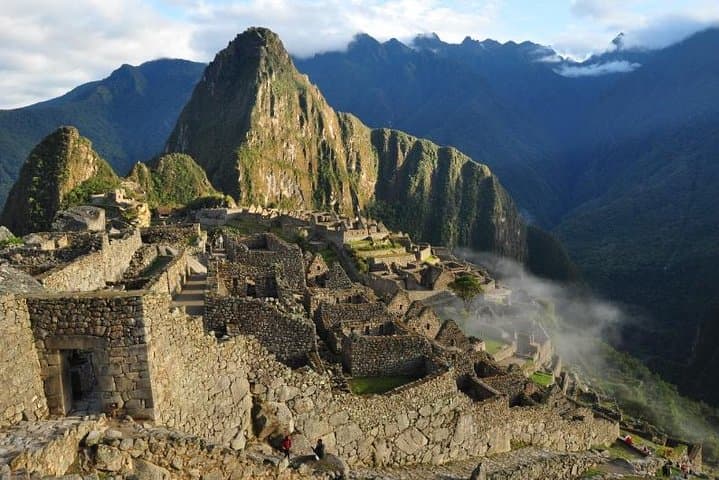
Dawn cuts across the Salkantay massif and the trail opens like a page of geology — scree, glacial moraine and then green folding into cloud forest. You climb through thin air with Salkantay (6,267 m) watching like an indifferent giant while rivers below dare you to move faster. Early-morning mists lift to reveal jagged ridgelines and the turquoise of Humantay Lake; later the path softens into humid jungle where orchids and guava trees crowd the trail.
Dawn cuts across the Salkantay massif and the trail opens like a page of geology — scree, glacial moraine and then green folding into cloud forest. You climb through thin air with Salkantay (6,267 m) watching like an indifferent giant while rivers below dare you to move faster. Early-morning mists lift to reveal jagged ridgelines and the turquoise of Humantay Lake; later the path softens into humid jungle where orchids and guava trees crowd the trail.
This alternative Inca-era corridor has been used for centuries as a trade and pilgrimage route between high Andean puna and the ceja de selva. The ride from bleak, glaciated passes to sugarcane-scented valleys in four days is a lesson in Andean geology: uplifted volcanic rock, glacial cirques and steep erosion that created switchbacks and waterfalls. Local Quechua communities still herd llamas and tend potato terraces, giving the route cultural texture beyond the ruins at Machu Picchu.
Practical edge: expect four long days of trekking (one day reaches 4,650 m), daily mileage of 12–22 km, and dramatic temperature swings from sub-freezing camps to humid 20°C jungle. Acclimatize in Cusco for 48–72 hours, bring layered insulation, a reliable sleeping bag rated to -5°C, and water treatment. Guides and mule teams carry heavy kit but you must manage a daypack. Book your passport info early—permits and train seats require exact details. Start early to avoid afternoon storms, and leave time in Aguas Calientes to catch the first bus to Machu Picchu at dawn for the best light and fewer crowds.