THE ADVENTURE COLLECTIVE® · Independent discovery and booking for outdoor travel

Board a high-speed catamaran from Victoria’s Inner Harbour and cut through the Strait of Juan de Fuca in search of orcas and humpbacks. This half-day trip pairs heated comfort and expert naturalists with a free wildlife photo package—ideal for photographers and families.
Board a high-speed catamaran from Victoria’s Inner Harbour and cut through the Strait of Juan de Fuca in search of orcas and humpbacks. This half-day trip pairs heated comfort and expert naturalists with a free wildlife photo package—ideal for photographers and families.
The catamaran slips from Victoria’s Inner Harbour with the Legislative Building dropping astern and the Strait of Juan de Fuca opening like a challenge ahead. Salted wind teases the rail; bald eagles wheel overhead and the boat’s hull answers the current as naturalists scan for blows, dorsal fins, and the thunder of humpback flukes. You feel the Salish Sea push and pull—an active ocean threaded with islands and deep channels.
Verified experiences and guided adventures in the surrounding area.
Operated by Prince of Whales Whale & Marine Wildlife Adventures · Victoria, British Columbia
The catamaran slips from Victoria’s Inner Harbour with the Legislative Building dropping astern and the Strait of Juan de Fuca opening like a challenge ahead. Salted wind teases the rail; bald eagles wheel overhead and the boat’s hull answers the current as naturalists scan for blows, dorsal fins, and the thunder of humpback flukes. You feel the Salish Sea push and pull—an active ocean threaded with islands and deep channels.
This stretch of water is carved by glacial action and fed by Pacific tides; the Coast Salish have navigated and stewarded these waters for millennia. European steamers and coastal freighters later left a visible maritime history on Victoria’s shoreline from Ogden Point to Fisherman’s Wharf. Onboard, guides weave ecology and local history into real-time sightings—explaining orca behavior, humpback recovery, and the marine food web that brings whales close to shore.
Practically speaking: the tour runs about 3.5 hours, departs from Inner Harbour/Ogden Point, and offers a heated cabin, washrooms and a free high-resolution photo package. Dress in windproof layers, bring binoculars and a camera with a telephoto lens if you have one, and consider motion-sickness medication if you’re sensitive. Mornings often have calmer seas and cleaner light; afternoons can be busier with birdlife. The operator’s whale-sighting guarantee and experienced crew improve odds, but sightings are never guaranteed by nature. Arrive 30 minutes early for check-in, expect expert narration throughout, and remember to give wildlife space—watching responsibly keeps the whales returning to the Salish Sea.
easy.
3–3.5 hours.
Suitable for most fitness levels; ability to board stairs and stand for portions of the cruise is helpful.
Orcas, humpback whales, porpoises and seals are commonly seen; seabirds like bald eagles and shearwaters are frequent extras—sightings vary by season and conditions.
The operator offers a whale-sightings guarantee policy with complimentary re-tours from select locations until whales are seen (fees and terms apply); check booking details for eligibility.
Yes—children are welcome and there are kids’ educational materials onboard; infants must sit on an adult’s lap and service animals are allowed with documentation and life jacket subject to captain approval.
Dress in warm, windproof layers, bring binoculars, a camera, and motion-sickness precautions if needed; complimentary hot drinks are provided onboard.
The Salish Sea has been home to Coast Salish nations for millennia; Victoria’s harbour later grew into a key Pacific port during colonial and steamship eras, shaping local maritime culture.
Operators in the region follow provincial and federal guidelines for marine mammal viewing to minimize disturbance; many tours support local conservation fees or initiatives to fund research and habitat protection.
Prince of Whales Whale & Marine Wildlife Adventures operates guided outdoor trips and adventures with an emphasis on safety, stewardship, and memorable experiences.
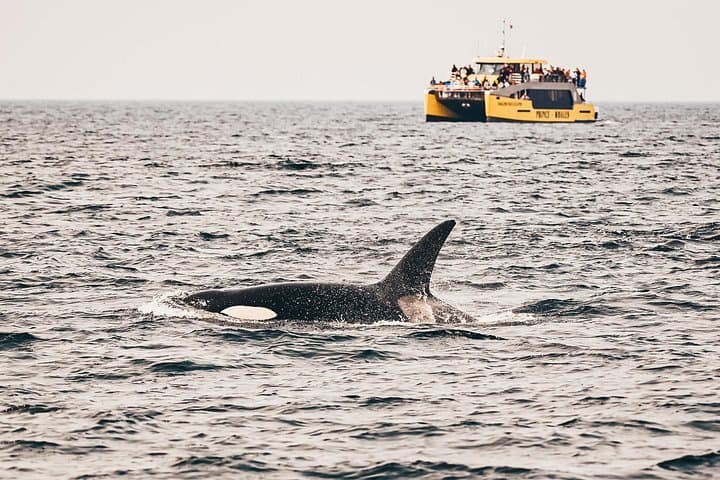
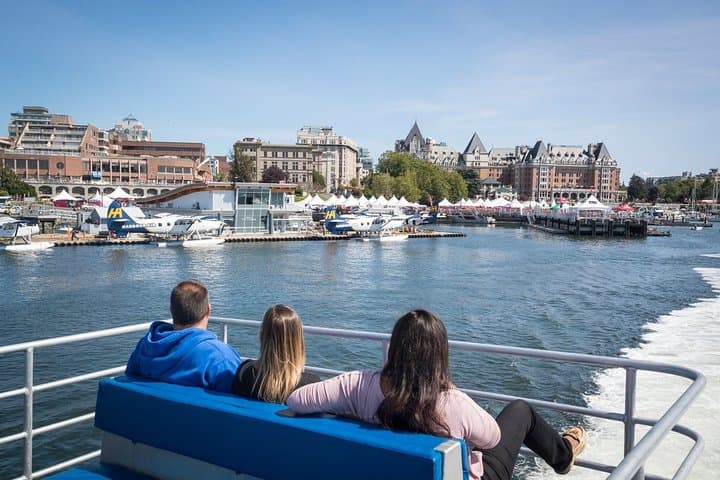
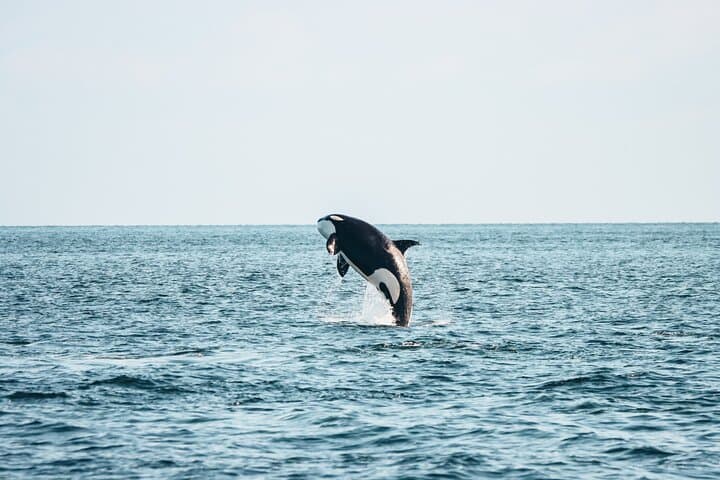
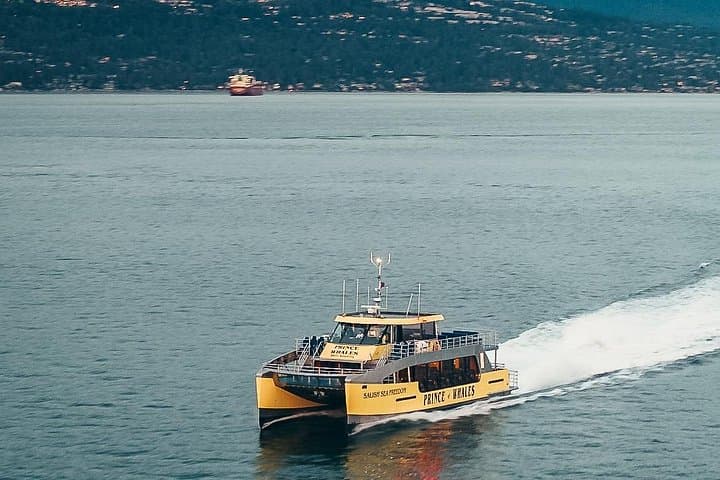
The catamaran slips from Victoria’s Inner Harbour with the Legislative Building dropping astern and the Strait of Juan de Fuca opening like a challenge ahead. Salted wind teases the rail; bald eagles wheel overhead and the boat’s hull answers the current as naturalists scan for blows, dorsal fins, and the thunder of humpback flukes. You feel the Salish Sea push and pull—an active ocean threaded with islands and deep channels.
The catamaran slips from Victoria’s Inner Harbour with the Legislative Building dropping astern and the Strait of Juan de Fuca opening like a challenge ahead. Salted wind teases the rail; bald eagles wheel overhead and the boat’s hull answers the current as naturalists scan for blows, dorsal fins, and the thunder of humpback flukes. You feel the Salish Sea push and pull—an active ocean threaded with islands and deep channels.
This stretch of water is carved by glacial action and fed by Pacific tides; the Coast Salish have navigated and stewarded these waters for millennia. European steamers and coastal freighters later left a visible maritime history on Victoria’s shoreline from Ogden Point to Fisherman’s Wharf. Onboard, guides weave ecology and local history into real-time sightings—explaining orca behavior, humpback recovery, and the marine food web that brings whales close to shore.
Practically speaking: the tour runs about 3.5 hours, departs from Inner Harbour/Ogden Point, and offers a heated cabin, washrooms and a free high-resolution photo package. Dress in windproof layers, bring binoculars and a camera with a telephoto lens if you have one, and consider motion-sickness medication if you’re sensitive. Mornings often have calmer seas and cleaner light; afternoons can be busier with birdlife. The operator’s whale-sighting guarantee and experienced crew improve odds, but sightings are never guaranteed by nature. Arrive 30 minutes early for check-in, expect expert narration throughout, and remember to give wildlife space—watching responsibly keeps the whales returning to the Salish Sea.