THE ADVENTURE COLLECTIVE® · Independent discovery and booking for outdoor travel

Escape London for a day of layered history: Salisbury’s cathedral spire, Stonehenge’s neolithic geometry, and Bath’s Roman baths and Georgian terraces. This coach tour condenses 7,000 years of human stories into an accessible, walk-friendly itinerary.
Escape London for a day of layered history: Salisbury’s cathedral spire, Stonehenge’s neolithic geometry, and Bath’s Roman baths and Georgian terraces. This coach tour condenses 7,000 years of human stories into an accessible, walk-friendly itinerary.
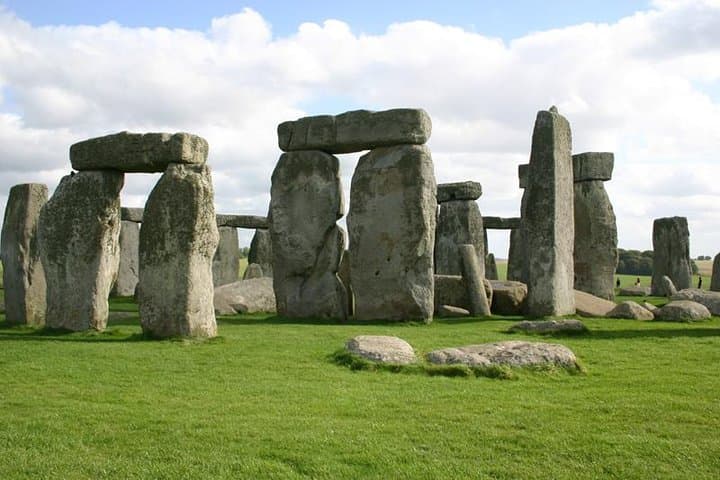
You step off the coach into a low, green light — the Wiltshire landscape stretches in tidy fields while the wind seems to test your sleeves and the stones wait like punctuation on the horizon.
Verified experiences and guided adventures in the surrounding area.
Operated by Londoner · Salisbury, Wiltshire
You step off the coach into a low, green light — the Wiltshire landscape stretches in tidy fields while the wind seems to test your sleeves and the stones wait like punctuation on the horizon.
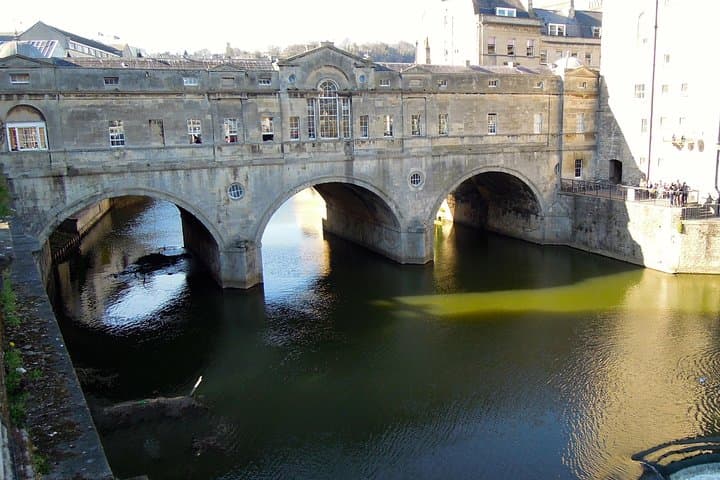
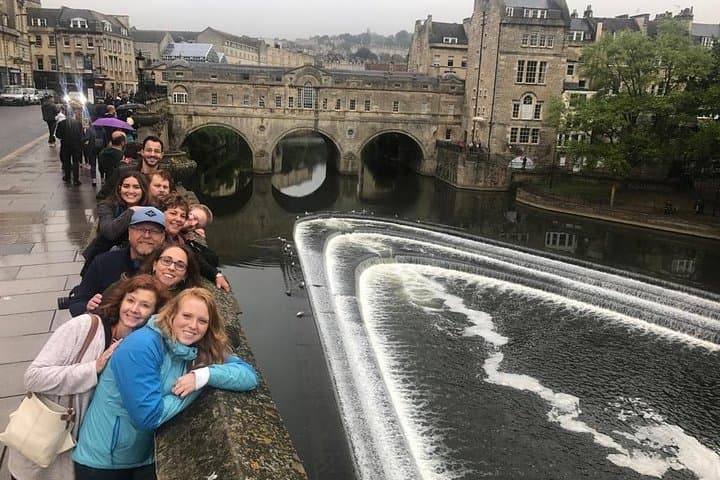
Start in Salisbury, where a slim spire pins the sky and the medieval streets walk you through centuries: Tudor frames rub shoulders with Georgian facades. Move on to Stonehenge and feel how an ancient ring rearranges your sense of scale; these sarsens still mark solstices and steer a conversation between human hands and sky. Finish in Bath, where the Avon threads under Pulteney Bridge and the Roman Baths breathe warm history; the city’s honeyed stone reflects a Georgian confidence that made it a social spa for two thousand years.
Geology here is blunt and visible: Cretaceous chalk underpins Salisbury Plain, while Bath’s distinctive oolitic limestone was quarried to build the terraces. Culture layers quickly — Roman engineering, medieval piety at Salisbury Cathedral, and Georgian urban planning in Bath’s crescents.
Practical guidance: this is a full-day, coach-based excursion with several short walks; expect cobbles and compacted paths. Wear sturdy walking shoes, carry water and a light waterproof — English weather changes its mind quickly. Photography is allowed at Stonehenge viewing points; access inside the circle is restricted unless pre-arranged. Allow time for museum stops in Bath and, if you want to linger in a pub in a nearby village, plan post-tour transport. Travel light, charge your devices, and give yourself space to listen — these places are quieter than they look, and the landscape will steer your pace.
moderate.
8–10 hours.
Moderate fitness for several short walks, some standing time, and cobbled streets; not strenuous but requires mobility for climbs and steps.
Admissions are typically not included; the itinerary lists viewing and time for visits but entrance fees to the Roman Baths and Stonehenge are often paid on-site or pre-booked separately.
Yes — the tour notes wheelchair-accessible transportation and sites offer accessible routes, though some historic buildings have restricted access; contact the operator to confirm specific needs.
Pickup points vary and are confirmed at booking — you'll be asked for your pickup location (central London or Southampton port) during reservation.
You can learn about solstice alignments during the visit, but public access inside the stone circle is restricted and special solstice events are scheduled separately by English Heritage.
Stonehenge began construction in the late Neolithic (c.2500 BCE), Salisbury Cathedral dates from the 13th century and houses one of the original Magna Carta copies, and Bath preserves Roman engineering around its hot springs.
English Heritage and the National Trust manage key sites; follow designated paths, avoid touching fragile surfaces, and respect site rules to protect archaeological features and thermal water sources.
Londoner operates guided outdoor trips and adventures with an emphasis on safety, stewardship, and memorable experiences.

You step off the coach into a low, green light — the Wiltshire landscape stretches in tidy fields while the wind seems to test your sleeves and the stones wait like punctuation on the horizon.
You step off the coach into a low, green light — the Wiltshire landscape stretches in tidy fields while the wind seems to test your sleeves and the stones wait like punctuation on the horizon.
Start in Salisbury, where a slim spire pins the sky and the medieval streets walk you through centuries: Tudor frames rub shoulders with Georgian facades. Move on to Stonehenge and feel how an ancient ring rearranges your sense of scale; these sarsens still mark solstices and steer a conversation between human hands and sky. Finish in Bath, where the Avon threads under Pulteney Bridge and the Roman Baths breathe warm history; the city’s honeyed stone reflects a Georgian confidence that made it a social spa for two thousand years.
Geology here is blunt and visible: Cretaceous chalk underpins Salisbury Plain, while Bath’s distinctive oolitic limestone was quarried to build the terraces. Culture layers quickly — Roman engineering, medieval piety at Salisbury Cathedral, and Georgian urban planning in Bath’s crescents.
Practical guidance: this is a full-day, coach-based excursion with several short walks; expect cobbles and compacted paths. Wear sturdy walking shoes, carry water and a light waterproof — English weather changes its mind quickly. Photography is allowed at Stonehenge viewing points; access inside the circle is restricted unless pre-arranged. Allow time for museum stops in Bath and, if you want to linger in a pub in a nearby village, plan post-tour transport. Travel light, charge your devices, and give yourself space to listen — these places are quieter than they look, and the landscape will steer your pace.