THE ADVENTURE COLLECTIVE® · Independent discovery and booking for outdoor travel

Escape Arequipa for a half-day across the high Andean plateau to see Misti’s profile, salt flats dotted with flamingos, and herds of vicuña. This practical guide explains what to expect, how to prepare, and where to look for quiet wildlife moments.
Escape Arequipa for a half-day across the high Andean plateau to see Misti’s profile, salt flats dotted with flamingos, and herds of vicuña. This practical guide explains what to expect, how to prepare, and where to look for quiet wildlife moments.
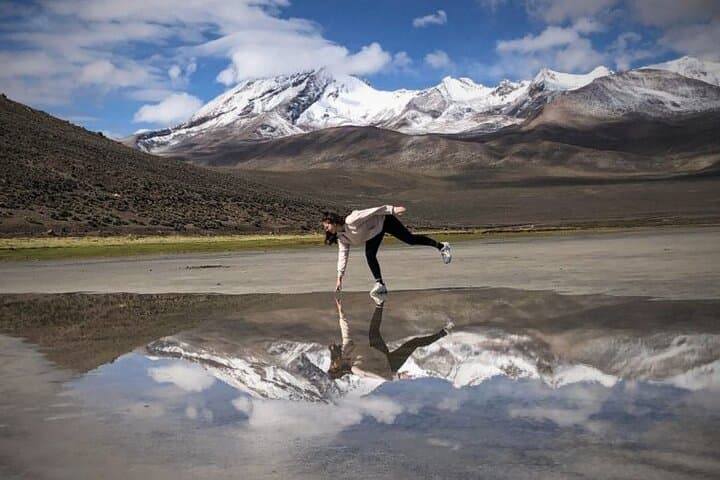
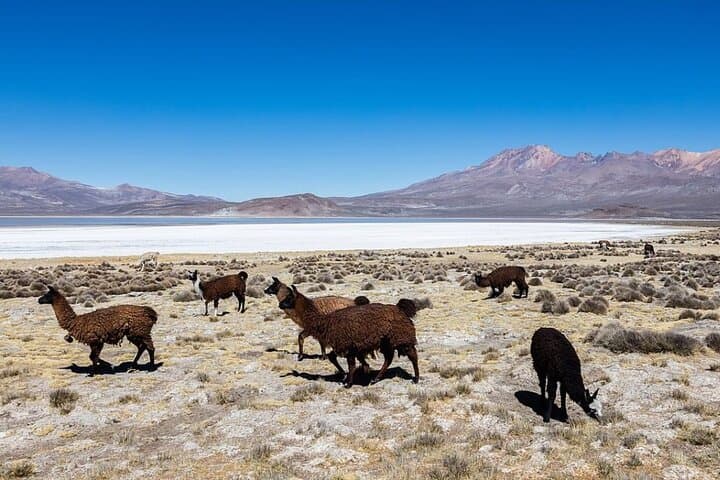
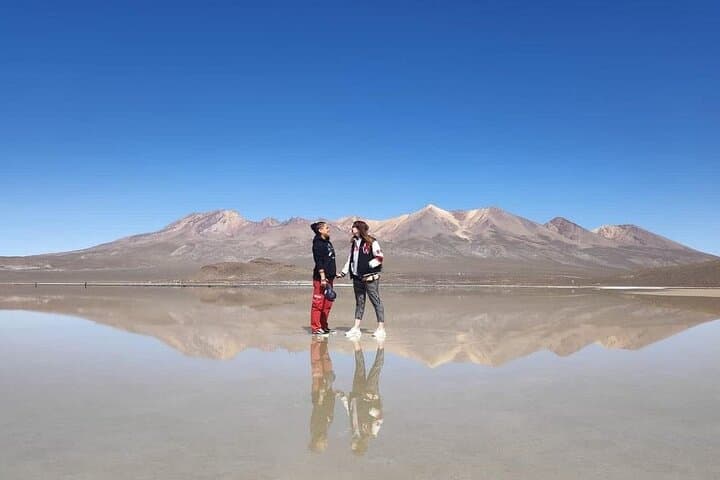
Begin in Arequipa’s Plaza de Armas as the city slips behind you and the road climbs onto the high Andean plain. The silhouette of Misti grows larger by the minute while winds across the puna push tufts of grass like a slow current. Within two hours the urban grid gives way to salt-scored flats and shallow lagoons where pale pink flamingos pick at brine and vicuñas graze in cautious groups.
Verified experiences and guided adventures in the surrounding area.
Operated by Evans Tours Expedition in Arequipa · Arequipa, Arequipa
Begin in Arequipa’s Plaza de Armas as the city slips behind you and the road climbs onto the high Andean plain. The silhouette of Misti grows larger by the minute while winds across the puna push tufts of grass like a slow current. Within two hours the urban grid gives way to salt-scored flats and shallow lagoons where pale pink flamingos pick at brine and vicuñas graze in cautious groups.
Geology here is direct: volcanic cones—Misti, Chachani and Pichu–shape the skyline and feed groundwater that creates saline basins in tectonic hollows. The Reserve of Salinas y Aguada Blanca was created to protect those fragile water sources and the highland camelids that rely on them; local villages nearby still center parts of their economy and culture around alpaca and vicuña fiber.
The tour’s rhythm is straightforward: viewpoints for volcano photos, a stop in a traditional highland village to see a colonial church and meet local life, time at the salt flats to watch flamingos and camelids, and an optional quick soak at modest hot springs. Guides handle logistics and picture-taking; there is a small national-reserve entry fee (about $3).
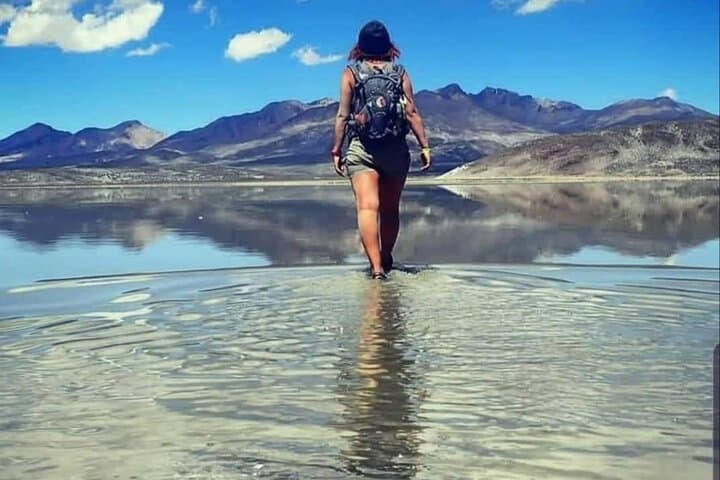
Practical edge: expect strong sun, cold mornings and windy plains—layer up, carry at least 2 liters of water, and plan for a 6–7 hour round trip from Arequipa with several short walks across uneven ground. Altitude (3,800–4,500 m on parts of the route) is the real terrain to respect: move slowly, hydrate early, and keep camera batteries warm in your inner pocket.
moderate.
6–7 hours.
Suitable for travelers with moderate fitness—able to walk short distances on uneven terrain and tolerate driving periods.
The tour lasts about 6–7 hours (360–420 minutes) and typically begins at the Plaza de Armas in Arequipa where the guide meets the group.
No—there is an obligatory national reserve entry fee of roughly $3 per person payable on arrival.
Yes—the hot springs stop is optional; facilities are modest and entry is sometimes charged locally, so bring a towel and small change.
Many travelers feel mild effects at these elevations (up to ~4,500 m). Move slowly, avoid heavy exertion, hydrate, and inform the guide if you feel unwell.
Salinas y Aguada Blanca was established to protect highland water sources and the native camelids that sustain local livelihoods; volcanic activity shaped the basin the lagoons occupy.
Stick to roads and marked paths, respect grazing zones, and pay the small reserve fee—local protections fund water-source and species management.
Evans Tours Expedition in Arequipa operates guided outdoor trips and adventures with an emphasis on safety, stewardship, and memorable experiences.
Begin in Arequipa’s Plaza de Armas as the city slips behind you and the road climbs onto the high Andean plain. The silhouette of Misti grows larger by the minute while winds across the puna push tufts of grass like a slow current. Within two hours the urban grid gives way to salt-scored flats and shallow lagoons where pale pink flamingos pick at brine and vicuñas graze in cautious groups.
Begin in Arequipa’s Plaza de Armas as the city slips behind you and the road climbs onto the high Andean plain. The silhouette of Misti grows larger by the minute while winds across the puna push tufts of grass like a slow current. Within two hours the urban grid gives way to salt-scored flats and shallow lagoons where pale pink flamingos pick at brine and vicuñas graze in cautious groups.
Geology here is direct: volcanic cones—Misti, Chachani and Pichu–shape the skyline and feed groundwater that creates saline basins in tectonic hollows. The Reserve of Salinas y Aguada Blanca was created to protect those fragile water sources and the highland camelids that rely on them; local villages nearby still center parts of their economy and culture around alpaca and vicuña fiber.
The tour’s rhythm is straightforward: viewpoints for volcano photos, a stop in a traditional highland village to see a colonial church and meet local life, time at the salt flats to watch flamingos and camelids, and an optional quick soak at modest hot springs. Guides handle logistics and picture-taking; there is a small national-reserve entry fee (about $3).
Practical edge: expect strong sun, cold mornings and windy plains—layer up, carry at least 2 liters of water, and plan for a 6–7 hour round trip from Arequipa with several short walks across uneven ground. Altitude (3,800–4,500 m on parts of the route) is the real terrain to respect: move slowly, hydrate early, and keep camera batteries warm in your inner pocket.