THE ADVENTURE COLLECTIVE® · Independent discovery and booking for outdoor travel

Drive from Salta through Purmamarca and the Cuesta del Lipán to stand on the stark white of Salinas Grandes. This day tour pairs geological spectacle with local culture and short walks ideal for photographers and curious travelers.
Drive from Salta through Purmamarca and the Cuesta del Lipán to stand on the stark white of Salinas Grandes. This day tour pairs geological spectacle with local culture and short walks ideal for photographers and curious travelers.
A slow ribbon of road climbs out of Salta and the air sharpens; by mid-morning the Cerro de los 7 Colores in Purmamarca throws up bands of ochre and rust as if the mountain itself rehearsed a palette.
Verified experiences and guided adventures in the surrounding area.
Operated by RipioTurismo · Purmamarca, Jujuy
A slow ribbon of road climbs out of Salta and the air sharpens; by mid-morning the Cerro de los 7 Colores in Purmamarca throws up bands of ochre and rust as if the mountain itself rehearsed a palette.
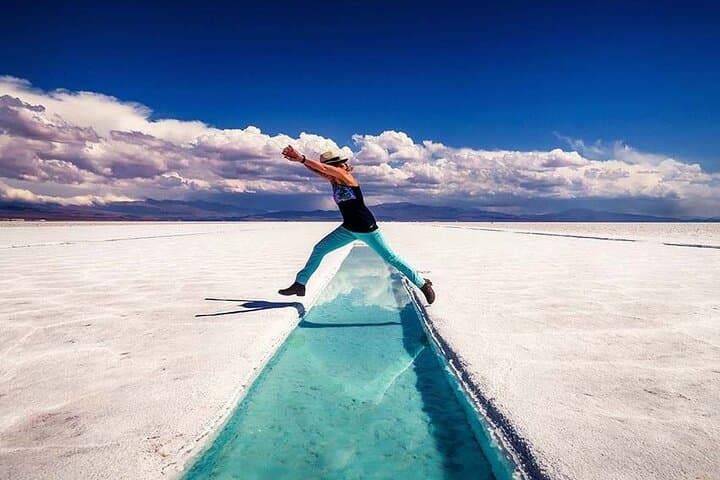
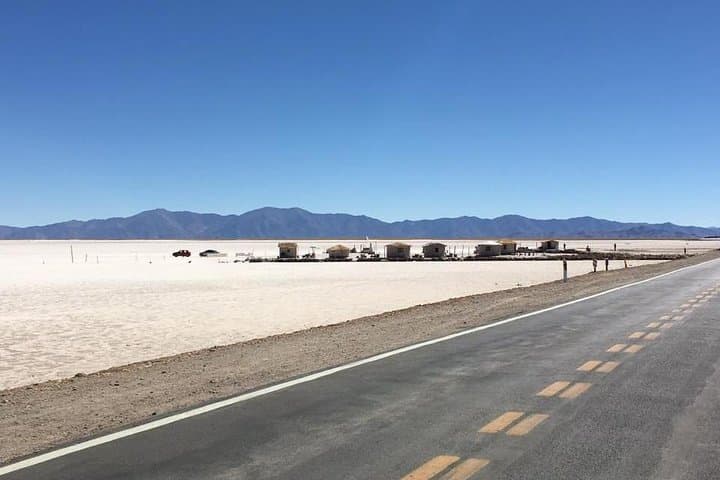
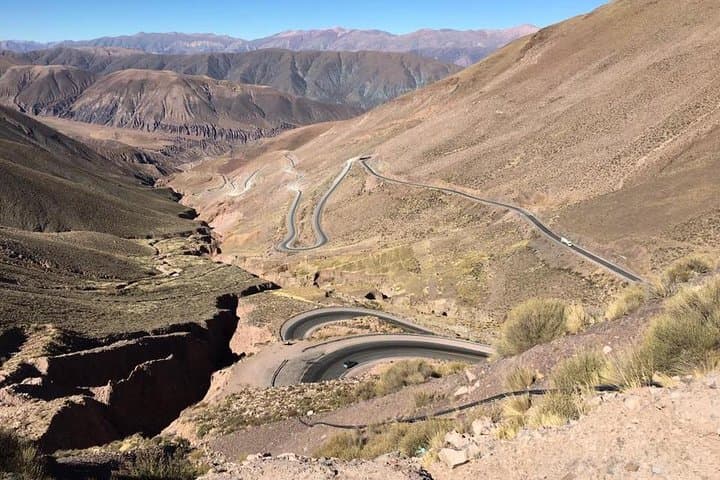
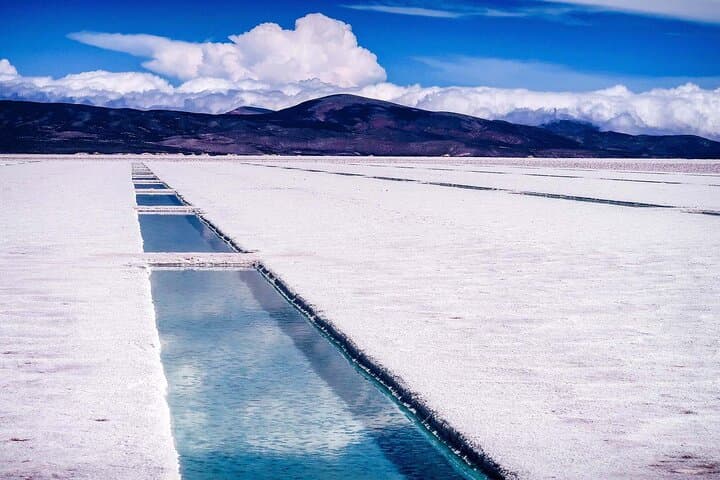
This full-day excursion moves quickly between striking contrasts: colonial adobe villages, the steep switchbacks of the Cuesta del Lipán, and finally the vast white plain of the Salinas Grandes. Geologically, the salt flats are the remnant of an ancient lake basin—crystallized salts that spread across the high-altitude plateau and reflect the Andes like a blank page. Quebrada de Humahuaca, a UNESCO site on the route, layers indigenous history and colonial trade routes into the landscape you pass through.
Culturally the route is active—Purmamarca markets sell woven textiles and local guide voices explain salt-harvesting techniques and Andean traditions. The wind at the flats has personality; it pushes at legs and camera tripods alike and dares you to measure distance by sight alone.
Practical guidance: expect an 8-hour day with extended drives and short walks on uneven terrain. Sun is intense at 3,000–4,000 m elevation; bring high-SPF sunscreen, a wide-brim hat, and plenty of water. Sturdy shoes with good traction are useful for salty, crusty surfaces; layers are essential because mornings are cool and midday can be bright and windy. Tours typically include hotel pickup in Salta and a local guide; bring cash for small purchases in Purmamarca and allow time for photography stops—the light changes fast as the sun moves across the plateau.
easy.
8 hours.
Light to moderate—suitable for people comfortable with short walks and long drives; watch for altitude impacts.
The typical tour is about 8 hours round-trip including stops at Purmamarca, Quebrada de Humahuaca, Cuesta del Lipán, and Salinas Grandes.
Walking on the flats involves short, flat sections on hard salt crust—no technical skill required, but bring sturdy shoes and be cautious of reflective glare.
Some visitors experience mild symptoms at these elevations; acclimatize in Salta, hydrate, avoid alcohol before the tour, and inform your guide if you feel unwell.
Most tours include transportation and guiding; there is no widespread entrance fee for the salt flats themselves, but local activities or museum visits in towns may charge small fees.
The route follows ancient Andean pathways—Quebrada de Humahuaca was a pre-Columbian corridor later used by colonial caravans and trade networks.
The salt flats are a fragile surface; keep to marked areas, avoid leaving litter, and respect local harvesting operations to minimize impact.
RipioTurismo operates guided outdoor trips and adventures with an emphasis on safety, stewardship, and memorable experiences.
A slow ribbon of road climbs out of Salta and the air sharpens; by mid-morning the Cerro de los 7 Colores in Purmamarca throws up bands of ochre and rust as if the mountain itself rehearsed a palette.
A slow ribbon of road climbs out of Salta and the air sharpens; by mid-morning the Cerro de los 7 Colores in Purmamarca throws up bands of ochre and rust as if the mountain itself rehearsed a palette.
This full-day excursion moves quickly between striking contrasts: colonial adobe villages, the steep switchbacks of the Cuesta del Lipán, and finally the vast white plain of the Salinas Grandes. Geologically, the salt flats are the remnant of an ancient lake basin—crystallized salts that spread across the high-altitude plateau and reflect the Andes like a blank page. Quebrada de Humahuaca, a UNESCO site on the route, layers indigenous history and colonial trade routes into the landscape you pass through.
Culturally the route is active—Purmamarca markets sell woven textiles and local guide voices explain salt-harvesting techniques and Andean traditions. The wind at the flats has personality; it pushes at legs and camera tripods alike and dares you to measure distance by sight alone.
Practical guidance: expect an 8-hour day with extended drives and short walks on uneven terrain. Sun is intense at 3,000–4,000 m elevation; bring high-SPF sunscreen, a wide-brim hat, and plenty of water. Sturdy shoes with good traction are useful for salty, crusty surfaces; layers are essential because mornings are cool and midday can be bright and windy. Tours typically include hotel pickup in Salta and a local guide; bring cash for small purchases in Purmamarca and allow time for photography stops—the light changes fast as the sun moves across the plateau.