THE ADVENTURE COLLECTIVE® · Independent discovery and booking for outdoor travel

Walk terraced vineyards above the Tyrrhenian Sea, taste three Salina wines and capers, and finish with the island’s signature Malvasia passito. This three-hour guided wine trek mixes easy hiking with cultural and geological context—ideal for travelers who want fresh air and local flavor.
Walk terraced vineyards above the Tyrrhenian Sea, taste three Salina wines and capers, and finish with the island’s signature Malvasia passito. This three-hour guided wine trek mixes easy hiking with cultural and geological context—ideal for travelers who want fresh air and local flavor.
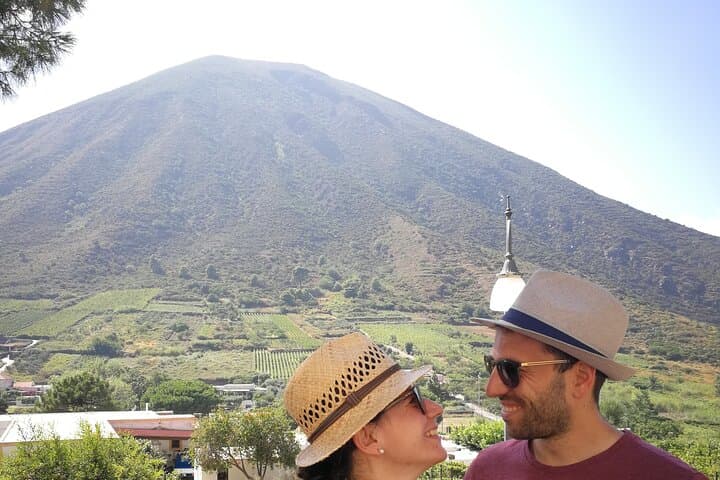
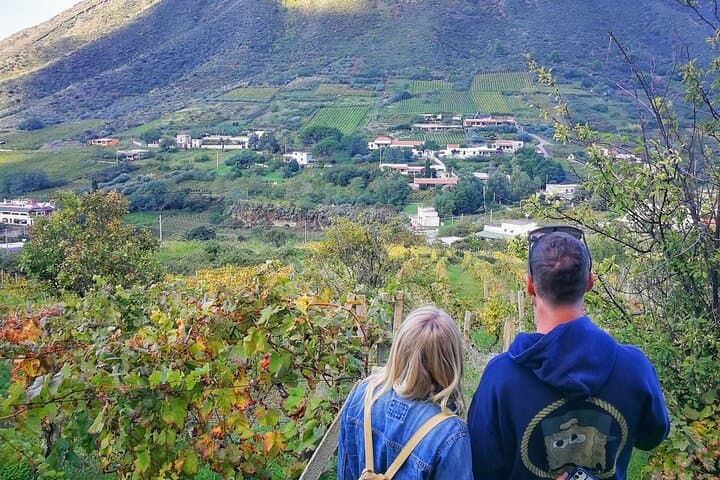
A late-morning light washes the volcanic terraces in gold as walkers step from a narrow lane into rows of gnarled vines that lean toward the sea. The path climbs gently between dry-stone walls, and the guide points out caper bushes and low, wind-shaped shrubs; the ocean keeps time below, pushing a cool breath up the slope.
Verified experiences and guided adventures in the surrounding area.
Operated by Salina EcoGastronomica · Santa Marina Salina, Sicily
A late-morning light washes the volcanic terraces in gold as walkers step from a narrow lane into rows of gnarled vines that lean toward the sea. The path climbs gently between dry-stone walls, and the guide points out caper bushes and low, wind-shaped shrubs; the ocean keeps time below, pushing a cool breath up the slope.
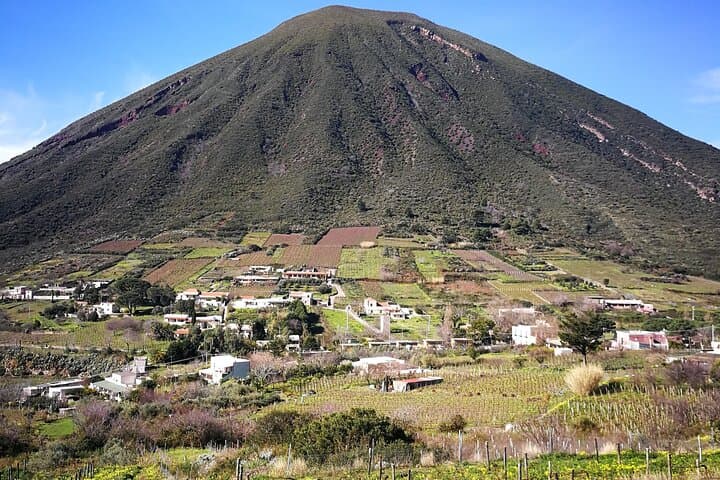
Salina’s winemaking is an island story rooted in heroic terracing and centuries of labor. Volcanic soils and a Mediterranean microclimate give birth to salty, aromatic wines—Malvasia passito is the sweetest chapter of that tradition. Geologically, the island is a remnant of volcanic activity: basalt and tuff underfoot, abrupt cliffs where lava once met the sea.
Culturally the walk threads together village life and agriculture: small producers, family cellars, and trading customs that still center on communal tastings. The guide will usually stop at a small vineyard or farmhouse to explain pruning, caper harvesting, and native plants that shape local biodiversity.
Practical guidance: expect roughly three hours of easy walking over uneven terrace paths and short climbs. Wear sturdy shoes, bring 1–1.5 liters of water, a sun hat and layered clothing for coastal winds. Tastings of three Salina wines and a caper sampling are included, finishing with Malvasia passito.
Timing matters—mornings or late afternoons offer cooler temperatures and crisper light for photos. Respect the vines and walls, follow the guide’s line on terraces, and plan ferry connections to Lipari or Milazzo ahead of time to avoid missed departures.
easy.
3 hours.
Suitable for travelers in average physical condition who can handle 1–2 miles of walking on uneven terrain and short elevation changes.
Yes—tastings of three Salina wines plus a caper tasting are included, typically ending with a sample of Malvasia passito.
Regular ferries run from Milazzo and Lipari; plan arrivals and departures in advance as schedules change seasonally.
The walk is rated easy but follows uneven terraced paths; it is not recommended for travelers with significant mobility limitations, pregnant visitors, or those with spinal issues.
Full refunds are available if you cancel at least 24 hours before departure; check your booking for specific terms and weather-related cancellations.
Salina’s viticulture dates back centuries; families built dry-stone terraces into volcanic slopes to grow Malvasia grapes and cultivate capers for regional trade.
The terraced landscape is ecologically fragile—stick to paths, buy directly from small producers when possible, and avoid disturbing caper beds to support local stewardship.
Salina EcoGastronomica operates guided outdoor trips and adventures with an emphasis on safety, stewardship, and memorable experiences.
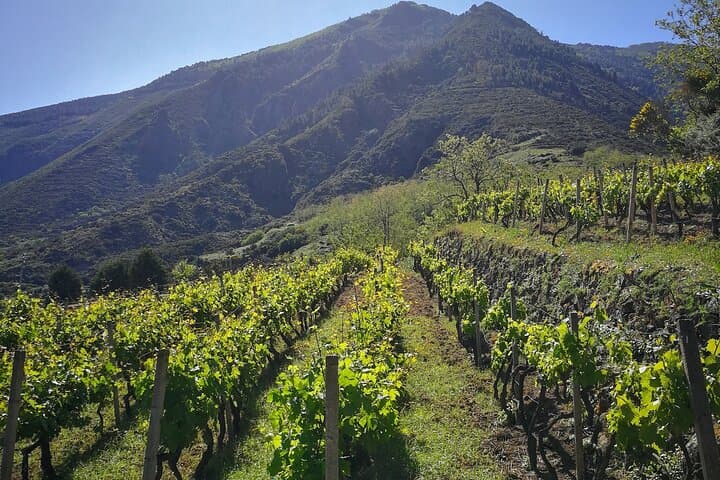
A late-morning light washes the volcanic terraces in gold as walkers step from a narrow lane into rows of gnarled vines that lean toward the sea. The path climbs gently between dry-stone walls, and the guide points out caper bushes and low, wind-shaped shrubs; the ocean keeps time below, pushing a cool breath up the slope.
A late-morning light washes the volcanic terraces in gold as walkers step from a narrow lane into rows of gnarled vines that lean toward the sea. The path climbs gently between dry-stone walls, and the guide points out caper bushes and low, wind-shaped shrubs; the ocean keeps time below, pushing a cool breath up the slope.
Salina’s winemaking is an island story rooted in heroic terracing and centuries of labor. Volcanic soils and a Mediterranean microclimate give birth to salty, aromatic wines—Malvasia passito is the sweetest chapter of that tradition. Geologically, the island is a remnant of volcanic activity: basalt and tuff underfoot, abrupt cliffs where lava once met the sea.
Culturally the walk threads together village life and agriculture: small producers, family cellars, and trading customs that still center on communal tastings. The guide will usually stop at a small vineyard or farmhouse to explain pruning, caper harvesting, and native plants that shape local biodiversity.
Practical guidance: expect roughly three hours of easy walking over uneven terrace paths and short climbs. Wear sturdy shoes, bring 1–1.5 liters of water, a sun hat and layered clothing for coastal winds. Tastings of three Salina wines and a caper sampling are included, finishing with Malvasia passito.
Timing matters—mornings or late afternoons offer cooler temperatures and crisper light for photos. Respect the vines and walls, follow the guide’s line on terraces, and plan ferry connections to Lipari or Milazzo ahead of time to avoid missed departures.