THE ADVENTURE COLLECTIVE® · Independent discovery and booking for outdoor travel

Sample Salina’s famed capers where they grow: a short farm visit in Leni explains harvesting and processing, followed by a tasting of caper products, local vegetables, cheeses and three Aeolian wines. Practical, sensory and rooted in island agriculture.
Sample Salina’s famed capers where they grow: a short farm visit in Leni explains harvesting and processing, followed by a tasting of caper products, local vegetables, cheeses and three Aeolian wines. Practical, sensory and rooted in island agriculture.
You arrive in Leni by narrow road and immediately the island speaks in salt, sun and stone — terraced fields cut into volcanic slopes, low stone walls holding caper bushes like stubborn green hands. The tour opens at a working cappereto where guides demonstrate how buds are picked by hand, sorted and preserved; the plants themselves are survivors of Aeolian volcanic soil, clinging to grit and offering sharp, floral bites.
Verified experiences and guided adventures in the surrounding area.
Operated by Salina EcoGastronomica · Leni, Sicily
You arrive in Leni by narrow road and immediately the island speaks in salt, sun and stone — terraced fields cut into volcanic slopes, low stone walls holding caper bushes like stubborn green hands. The tour opens at a working cappereto where guides demonstrate how buds are picked by hand, sorted and preserved; the plants themselves are survivors of Aeolian volcanic soil, clinging to grit and offering sharp, floral bites.
Culturally, caper cultivation on Salina traces back centuries and shows the island’s adaptation to poor soils and steep terrain. Geologically, Salina’s dark, basaltic ridges and the calcareous pockets where capers thrive tell a story of eruptions and slow soil formation, while local farmers have shaped micro-terroirs that influence flavor.
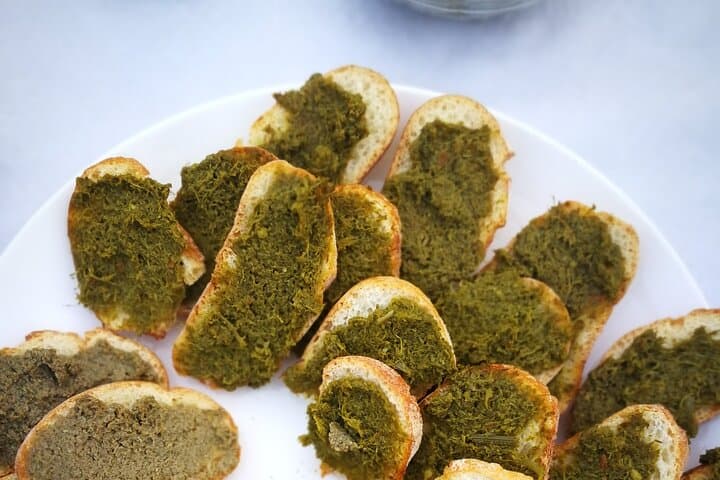
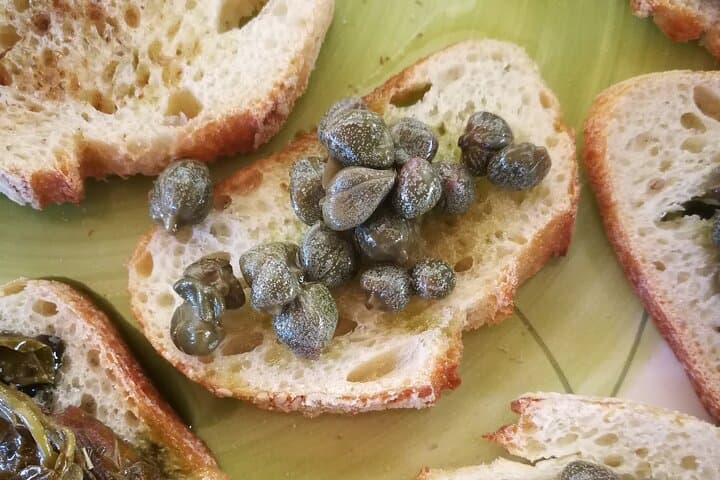
The tasting pairs caper preparations with local vegetables, cheeses and three Aeolian wines chosen to amplify saline, bitter and floral notes. Expect a paced, 90–110 minute experience that balances demonstration with tasting and conversation with producers.
Practically: wear comfortable shoes for uneven terrain and bring sun protection; the tasting is typically outdoors or in simple farm buildings. Reservations are suggested for small groups; tours are wheelchair-accessible in parts but there is some uneven ground. This is an intimate, low-effort cultural-food outing — ideal for travelers who want a sensory, place-based understanding of how a single island crop shapes local life and flavor.
easy.
1.5–2 hours.
Suitable for low-to-moderate mobility; mostly standing and short, gentle walks
The tour and tasting last about 105 minutes (roughly 1.5–2 hours) and include a farm visit and seated tasting.
Yes; the experience is family-friendly but infants must sit on an adult’s lap and some walking is required.
Most producers sell jars of capers, preserves and local wines at the end of the tasting — bring cash or card, though cash is sometimes preferred.
Parts of the experience are wheelchair-accessible, but there may be uneven ground; contact the operator ahead to discuss specific needs.
Caper cultivation on Salina is a long-standing adaptation to volcanic soils; small-scale farmers developed pickling and preserving methods that became island culinary staples.
Many producers use low-input, traditional agriculture that supports local biodiversity; visitors are encouraged to buy directly from farmers to support sustainable livelihoods.
Salina EcoGastronomica operates guided outdoor trips and adventures with an emphasis on safety, stewardship, and memorable experiences.
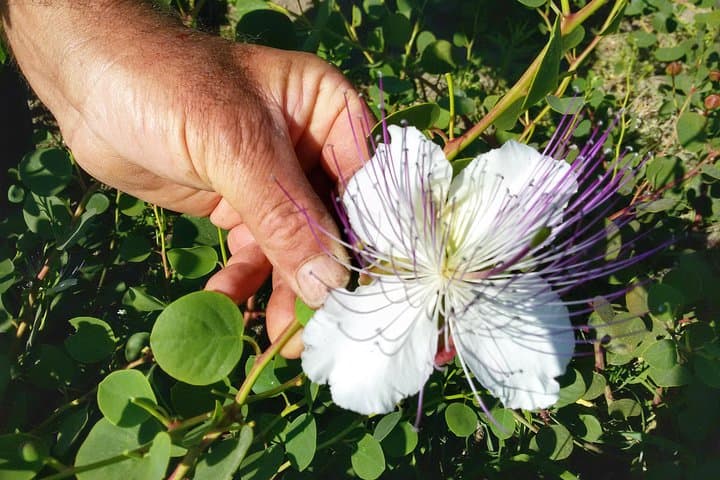
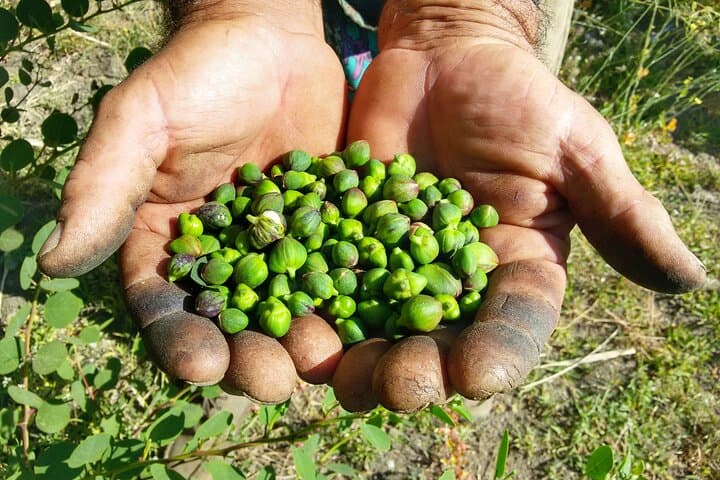
You arrive in Leni by narrow road and immediately the island speaks in salt, sun and stone — terraced fields cut into volcanic slopes, low stone walls holding caper bushes like stubborn green hands. The tour opens at a working cappereto where guides demonstrate how buds are picked by hand, sorted and preserved; the plants themselves are survivors of Aeolian volcanic soil, clinging to grit and offering sharp, floral bites.
You arrive in Leni by narrow road and immediately the island speaks in salt, sun and stone — terraced fields cut into volcanic slopes, low stone walls holding caper bushes like stubborn green hands. The tour opens at a working cappereto where guides demonstrate how buds are picked by hand, sorted and preserved; the plants themselves are survivors of Aeolian volcanic soil, clinging to grit and offering sharp, floral bites.
Culturally, caper cultivation on Salina traces back centuries and shows the island’s adaptation to poor soils and steep terrain. Geologically, Salina’s dark, basaltic ridges and the calcareous pockets where capers thrive tell a story of eruptions and slow soil formation, while local farmers have shaped micro-terroirs that influence flavor.
The tasting pairs caper preparations with local vegetables, cheeses and three Aeolian wines chosen to amplify saline, bitter and floral notes. Expect a paced, 90–110 minute experience that balances demonstration with tasting and conversation with producers.
Practically: wear comfortable shoes for uneven terrain and bring sun protection; the tasting is typically outdoors or in simple farm buildings. Reservations are suggested for small groups; tours are wheelchair-accessible in parts but there is some uneven ground. This is an intimate, low-effort cultural-food outing — ideal for travelers who want a sensory, place-based understanding of how a single island crop shapes local life and flavor.