THE ADVENTURE COLLECTIVE® · Independent discovery and booking for outdoor travel

Attend a Salgueiro rehearsal to feel the raw energy of Carnival: close-up bateria, dancers, flag bearers and an intimate court atmosphere. This guided visit includes transport and entry, and is a practical way to experience samba culture in Rio.
Attend a Salgueiro rehearsal to feel the raw energy of Carnival: close-up bateria, dancers, flag bearers and an intimate court atmosphere. This guided visit includes transport and entry, and is a practical way to experience samba culture in Rio.
A Saturday night at Salgueiro begins before the lights go dim and the drums begin to dare you forward. Step into the quadra — the school’s open rehearsal court — and the bateria (drum corps) takes up the pulse of the room, pushing the air into a steady, contagious heartbeat. Dancers thread bright costumes through the crowd; flag bearers practice exacting flourishes while the crowd cheers and cameras flicker.
Verified experiences and guided adventures in the surrounding area.
Operated by Costa do Sol Tour · Rio de Janeiro, Rio de Janeiro
A Saturday night at Salgueiro begins before the lights go dim and the drums begin to dare you forward. Step into the quadra — the school’s open rehearsal court — and the bateria (drum corps) takes up the pulse of the room, pushing the air into a steady, contagious heartbeat. Dancers thread bright costumes through the crowd; flag bearers practice exacting flourishes while the crowd cheers and cameras flicker.
Acadêmicos do Salgueiro is among Rio’s most celebrated samba schools, formed from mid-20th-century neighborhood bloco traditions and refined into the organized parade culture of Carnival. The rehearsal sits in the urban folds of Rio, where asphalt meets walls painted with school colors; geology matters mostly as a backdrop, but the city’s steep hills funnel sound and amplify every drum stroke.
Culturally this is both performance and practice: members refine choreography, test new arrangements and maintain ritual roles like the Baianas, Mestre Sala and Porta-Bandeira. Locals treat rehearsals as communal training grounds and a night out — visitors get close-up sightlines and an unpolished version of parade spectacle.
Practical guidance: plan for noise, standing-room crowds and warm, humid conditions. Bring ID and confirmation, arrive early for best viewing near the bateria, and respect dancers’ space; phones are fine, but stay aware of your belongings. The tour includes round-trip transport from select hotels, a guide and entry to the quadra, and lasts about five hours — long enough to feel the energy and short enough to leave wanting more.
easy.
5 hours.
Suitable for all fitness levels; involves standing and some walking at pickup and drop-off.
The activity runs about five hours total, including round-trip transport from selected hotels and time inside the Salgueiro quadra.
Yes—transportation and the rehearsal area are listed as wheelchair accessible, but contact the operator ahead to confirm specific needs.
Most guided tours offer at least basic English commentary, but language abilities vary—check the operator if you require detailed translation.
Yes; infants must sit on a lap. The environment is lively and loud, so consider ear protection for small children.
Acadêmicos do Salgueiro grew from mid-20th-century neighborhood samba groups into one of Rio’s premier samba schools, famed for bold parade themes and strong bateria.
Support local culture by using public transit or shared transport, buying refreshments from local vendors, and avoiding single-use plastics while attending rehearsals.
Costa do Sol Tour operates guided outdoor trips and adventures with an emphasis on safety, stewardship, and memorable experiences.


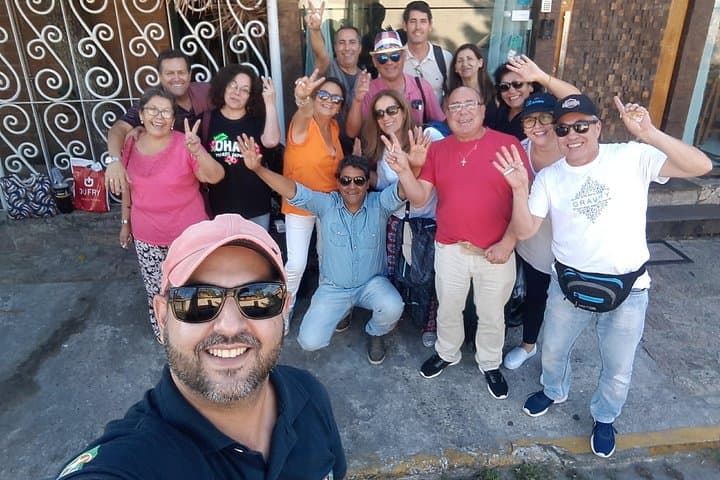

A Saturday night at Salgueiro begins before the lights go dim and the drums begin to dare you forward. Step into the quadra — the school’s open rehearsal court — and the bateria (drum corps) takes up the pulse of the room, pushing the air into a steady, contagious heartbeat. Dancers thread bright costumes through the crowd; flag bearers practice exacting flourishes while the crowd cheers and cameras flicker.
A Saturday night at Salgueiro begins before the lights go dim and the drums begin to dare you forward. Step into the quadra — the school’s open rehearsal court — and the bateria (drum corps) takes up the pulse of the room, pushing the air into a steady, contagious heartbeat. Dancers thread bright costumes through the crowd; flag bearers practice exacting flourishes while the crowd cheers and cameras flicker.
Acadêmicos do Salgueiro is among Rio’s most celebrated samba schools, formed from mid-20th-century neighborhood bloco traditions and refined into the organized parade culture of Carnival. The rehearsal sits in the urban folds of Rio, where asphalt meets walls painted with school colors; geology matters mostly as a backdrop, but the city’s steep hills funnel sound and amplify every drum stroke.
Culturally this is both performance and practice: members refine choreography, test new arrangements and maintain ritual roles like the Baianas, Mestre Sala and Porta-Bandeira. Locals treat rehearsals as communal training grounds and a night out — visitors get close-up sightlines and an unpolished version of parade spectacle.
Practical guidance: plan for noise, standing-room crowds and warm, humid conditions. Bring ID and confirmation, arrive early for best viewing near the bateria, and respect dancers’ space; phones are fine, but stay aware of your belongings. The tour includes round-trip transport from select hotels, a guide and entry to the quadra, and lasts about five hours — long enough to feel the energy and short enough to leave wanting more.