THE ADVENTURE COLLECTIVE® · Independent discovery and booking for outdoor travel

Spend an immersive day from Salento to Viterbo exploring prize-winning coffee farms, a working trapiche for panela, and small-batch cacao production. This full-day tour combines cultural context with hands-on demonstrations and scenic Willys Jeep rides.
Spend an immersive day from Salento to Viterbo exploring prize-winning coffee farms, a working trapiche for panela, and small-batch cacao production. This full-day tour combines cultural context with hands-on demonstrations and scenic Willys Jeep rides.
A cool morning in Salento: mist clings to waxy coffee leaves and the guide’s Willys Jeep rumbles down a narrow lane. Travelers leave the town’s colorful facades behind and climb into a landscape of steep ridgelines, sugarcane fields and smallholder fincas. By midmorning the road opens to Viterbo’s tree-filled plaza; the air smells faintly of wood smoke and fresh coffee.
Verified experiences and guided adventures in the surrounding area.
Operated by BnB Colombia Tours · Salento, Quindío
A cool morning in Salento: mist clings to waxy coffee leaves and the guide’s Willys Jeep rumbles down a narrow lane. Travelers leave the town’s colorful facades behind and climb into a landscape of steep ridgelines, sugarcane fields and smallholder fincas. By midmorning the road opens to Viterbo’s tree-filled plaza; the air smells faintly of wood smoke and fresh coffee.
The route threads through Colombia’s Coffee Cultural Landscape, a UNESCO-recognized region shaped by volcanic soils and Andean microclimates that favor Arabica cultivation. Here, panela — unrefined cane sugar processed in trapiches — has fed local economies for generations, while cacao production is enjoying a small-scale revival on mixed fruit fincas. Cultural rhythms remain agricultural: willy jeeps ferry goods, artisan shops sell roasted beans, and family-run farms still dry coffee on patios.
Practical guide: the tour is a full-day experience (about 11 hours total) with roughly 2 hours of driving each way from Salento. Expect light walking on gravel farm roads, short plaza strolls, and standing demonstrations in the panela mill and cocoa processing areas. There’s minimal elevation change compared with mountain treks, but you will experience several hundred meters of altitude shift—pack layers.
Timing, hydration and respect matter: arrive with sunscreen, a reusable bottle and cash for small purchases at fincas. Taste samples are generous; ask about processing methods and look for shaded fermentation areas to see quality control. The tour is accessible to most fitness levels and rewards curiosity with direct access to how Colombia’s coffee, cacao and panela are grown, processed and enjoyed.
easy.
10–11 hours.
Suitable for most fitness levels; requires getting in/out of vehicles and short walks on uneven farm roads
Expect around 1.5–2.5 hours each way depending on traffic and road conditions; the itinerary allocates several stops en route.
The tour itinerary lists entrance fees and tastings as included, but extra purchases at artisan shops or additional snacks may require cash.
The tour is described as physically easy and stroller-accessible in parts, but it involves vehicle transfers and short walks on uneven surfaces—check specific mobility needs with the operator.
Yes—family-run fincas and trapiches typically sell roasted beans, panela blocks and artisanal cacao products directly to visitors.
The Coffee Cultural Landscape developed over the 19th–20th centuries as smallholder agriculture spread on fertile volcanic slopes; panela mills (trapiches) have long been rural economic staples.
Many fincas use shade-grown coffee, water-conserving processing and organic fruit cultivation; visitors can support conservation by buying direct and minimizing waste.
BnB Colombia Tours operates guided outdoor trips and adventures with an emphasis on safety, stewardship, and memorable experiences.

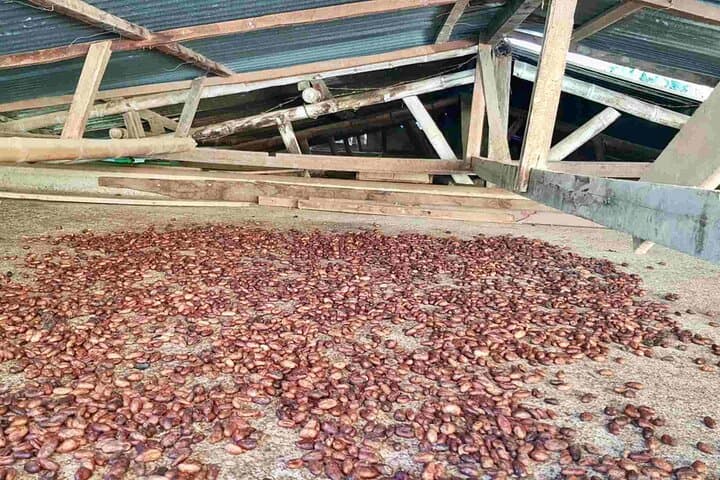


A cool morning in Salento: mist clings to waxy coffee leaves and the guide’s Willys Jeep rumbles down a narrow lane. Travelers leave the town’s colorful facades behind and climb into a landscape of steep ridgelines, sugarcane fields and smallholder fincas. By midmorning the road opens to Viterbo’s tree-filled plaza; the air smells faintly of wood smoke and fresh coffee.
A cool morning in Salento: mist clings to waxy coffee leaves and the guide’s Willys Jeep rumbles down a narrow lane. Travelers leave the town’s colorful facades behind and climb into a landscape of steep ridgelines, sugarcane fields and smallholder fincas. By midmorning the road opens to Viterbo’s tree-filled plaza; the air smells faintly of wood smoke and fresh coffee.
The route threads through Colombia’s Coffee Cultural Landscape, a UNESCO-recognized region shaped by volcanic soils and Andean microclimates that favor Arabica cultivation. Here, panela — unrefined cane sugar processed in trapiches — has fed local economies for generations, while cacao production is enjoying a small-scale revival on mixed fruit fincas. Cultural rhythms remain agricultural: willy jeeps ferry goods, artisan shops sell roasted beans, and family-run farms still dry coffee on patios.
Practical guide: the tour is a full-day experience (about 11 hours total) with roughly 2 hours of driving each way from Salento. Expect light walking on gravel farm roads, short plaza strolls, and standing demonstrations in the panela mill and cocoa processing areas. There’s minimal elevation change compared with mountain treks, but you will experience several hundred meters of altitude shift—pack layers.
Timing, hydration and respect matter: arrive with sunscreen, a reusable bottle and cash for small purchases at fincas. Taste samples are generous; ask about processing methods and look for shaded fermentation areas to see quality control. The tour is accessible to most fitness levels and rewards curiosity with direct access to how Colombia’s coffee, cacao and panela are grown, processed and enjoyed.