THE ADVENTURE COLLECTIVE® · Independent discovery and booking for outdoor travel

A three-hour, private walk through a Salento coffee farm that traces the bean from plant to roast. Learn varietals, processing methods, and taste multiple brews while soaking in high-altitude Andean views.
A three-hour, private walk through a Salento coffee farm that traces the bean from plant to roast. Learn varietals, processing methods, and taste multiple brews while soaking in high-altitude Andean views.
There’s a smell that climbs the hills around Salento: wet soil warming into sweet, green coffee notes that tease before the first sip. Walks between neat rows of coffee plants place you where beans actually begin—on steep Andean slopes where volcanic mineral and cloud-mist push growth upward and roots downward.
Verified experiences and guided adventures in the surrounding area.
Operated by Recua Café Tour · Salento, Quindío
There’s a smell that climbs the hills around Salento: wet soil warming into sweet, green coffee notes that tease before the first sip. Walks between neat rows of coffee plants place you where beans actually begin—on steep Andean slopes where volcanic mineral and cloud-mist push growth upward and roots downward.
The Eje Cafetero’s coffee culture grew with 19th-century colonists who cleared cloud forest for smallholdings; today many farms balance heritage varieties with modern specialty roasting. Geology matters here: iron-rich volcanic soils and high-altitude microclimates slow cherry maturation, concentrating sugars and acidity that roasters prize. Local guides will explain varietals, show cherry selection, demonstrate small-batch roasting, and lead a tasting that compares a traditional tinto with specialty filter brews.
Expect light walking over uneven farm tracks, shaded plots of shade-grown coffee, and brief stops at a roastery where heat and aroma take center stage. The guide will cover processing methods—washed, honey, natural—and explain how roast profiles and grind change the cup.
Practical notes: the tour runs about three hours, is private and family-friendly, and sits near 1,900 m elevation—bring layers and hydrate. Photography is welcome but ask before entering processing areas. If you want a hands-on moment, request a roast demo or cupping session in advance. The walk is easy, the learning immediate, and the reward is a cup that connects soil, climate, and human craft—one you can practice making when you get home.
easy.
3 hours.
Light walking on uneven farm tracks; suitable for most fitness levels
Meet at a central point in Salento or arrange a short transfer; exact meeting details are provided at booking.
Yes—this private tour is family-friendly, though children should be supervised near roasting equipment and processing areas.
Yes—tastings and a sample cup are included, and many farms offer beans or bags for sale after the tour.
The operator notes it is not recommended for people with serious spinal or cardiovascular conditions due to farm terrain and elevation; contact them for accommodations.
Smallholder coffee farming shaped Salento and the broader Eje Cafetero from the 19th century, moving the economy from subsistence crops to export-oriented coffee production.
Many farms practice shade-grown or integrated agroforestry to support birds and soil health; choose operators that explain their sustainability practices and waste management.
Recua Café Tour operates guided outdoor trips and adventures with an emphasis on safety, stewardship, and memorable experiences.


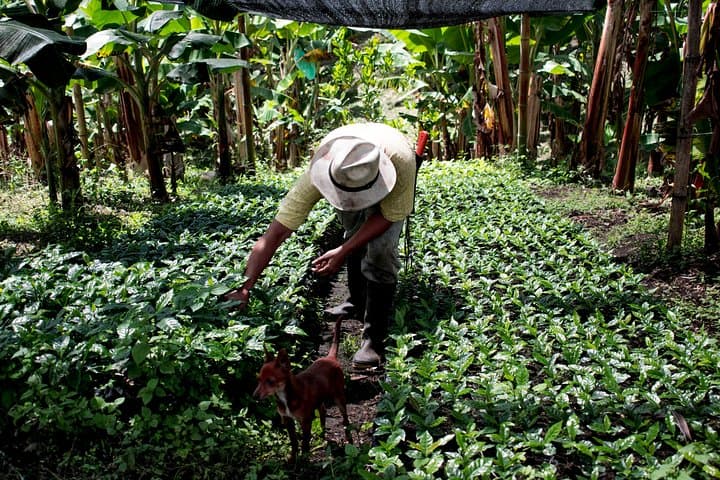
There’s a smell that climbs the hills around Salento: wet soil warming into sweet, green coffee notes that tease before the first sip. Walks between neat rows of coffee plants place you where beans actually begin—on steep Andean slopes where volcanic mineral and cloud-mist push growth upward and roots downward.
There’s a smell that climbs the hills around Salento: wet soil warming into sweet, green coffee notes that tease before the first sip. Walks between neat rows of coffee plants place you where beans actually begin—on steep Andean slopes where volcanic mineral and cloud-mist push growth upward and roots downward.
The Eje Cafetero’s coffee culture grew with 19th-century colonists who cleared cloud forest for smallholdings; today many farms balance heritage varieties with modern specialty roasting. Geology matters here: iron-rich volcanic soils and high-altitude microclimates slow cherry maturation, concentrating sugars and acidity that roasters prize. Local guides will explain varietals, show cherry selection, demonstrate small-batch roasting, and lead a tasting that compares a traditional tinto with specialty filter brews.
Expect light walking over uneven farm tracks, shaded plots of shade-grown coffee, and brief stops at a roastery where heat and aroma take center stage. The guide will cover processing methods—washed, honey, natural—and explain how roast profiles and grind change the cup.
Practical notes: the tour runs about three hours, is private and family-friendly, and sits near 1,900 m elevation—bring layers and hydrate. Photography is welcome but ask before entering processing areas. If you want a hands-on moment, request a roast demo or cupping session in advance. The walk is easy, the learning immediate, and the reward is a cup that connects soil, climate, and human craft—one you can practice making when you get home.