THE ADVENTURE COLLECTIVE® · Independent discovery and booking for outdoor travel

Spend a day on a working coffee farm in Salento with grower-guides: harvest, wash, roast and sip coffee where the beans were raised. This private immersion mixes hands-on farm work with regional food and local stories within the UNESCO Coffee Cultural Landscape.
Spend a day on a working coffee farm in Salento with grower-guides: harvest, wash, roast and sip coffee where the beans were raised. This private immersion mixes hands-on farm work with regional food and local stories within the UNESCO Coffee Cultural Landscape.
Dawn breaks over green rows of coffee bushes and the Jeep Willys growls down a rutted farm road — you step out into the scent of wet earth and roasted beans. Hosts who are coffee growers lead the day: their hands know seed, pulp and hearth. The tour moves at the rhythm of the finca — picking, washing, toasting and finally tasting a cup brewed where the beans were grown.
Verified experiences and guided adventures in the surrounding area.
Operated by COCORA TREK AGENCIA OPERADORA · Salento, Quindío
Dawn breaks over green rows of coffee bushes and the Jeep Willys growls down a rutted farm road — you step out into the scent of wet earth and roasted beans. Hosts who are coffee growers lead the day: their hands know seed, pulp and hearth. The tour moves at the rhythm of the finca — picking, washing, toasting and finally tasting a cup brewed where the beans were grown.
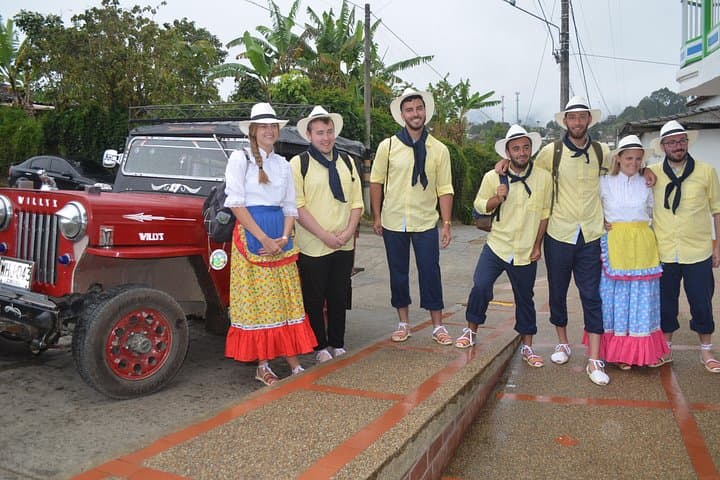
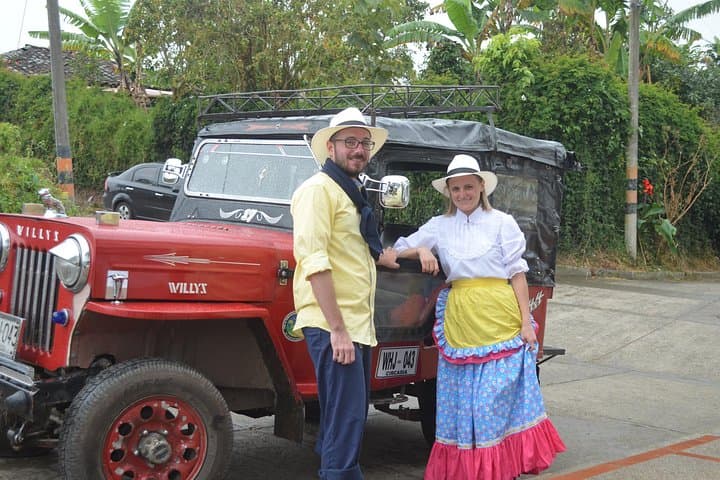
This stretch of the Paisaje Cultural Cafetero (Coffee Cultural Landscape) is shaped by volcanic soils and steep Andean slopes; smallholder farms have carved terraces and microclimates ideal for Arabica. Salento’s culture grew around that economy: the Willys jeep is as emblematic as the chapolera skirt and shared sancocho at midday. UNESCO recognition reflects both the landscape’s geology and the social history of peasant coffee production.
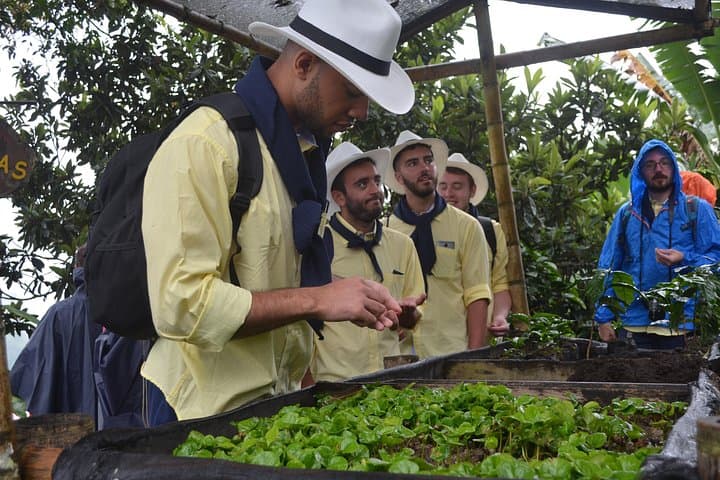
Expect hands-on farm work rather than long hikes: you’ll kneel to inspect seeds, watch pulping channels and learn traditional roasting over wood. Photogenic stops include drying patios, shade trees where hummingbirds dart, and family kitchens where aguapanela is passed around.
Practical notes: the day runs about 6–7 hours with mostly easy walking on uneven ground; bring sun and rain protection, closed-toe shoes, and cash for small purchases. Weather shifts fast in the Andes — morning chills give way to strong sun by noon and often a quick shower in the afternoon. Respect farm routines, ask before photographing people, and consider buying locally roasted beans to support hosts. This is a small-group, private immersion that puts the region’s culture and coffee craft in your hands.
easy.
6–7 hours.
Suitable for most fitness levels; involves short periods of bending, walking on uneven ground, and standing during demonstrations.
The day is classified as easy: most activities are short, low-impact tasks like picking and milling demonstrations with short walks around the farm.
Lunch is typically included — expect a traditional sancocho and aguapanela served with the host family on the farm.
Guides are local coffee growers; many speak basic English but Spanish is common — request bilingual service when booking if needed.
Yes — most farms sell freshly roasted beans and small souvenirs; bringing cash helps for small transactions.
Smallholder coffee farming in the region dates to the 19th century; the Willys jeep and family-run fincas became cultural icons of Quindío’s coffee identity.
Many farms use shade-grown practices and small-scale processing that support biodiversity; visitors should stick to marked paths and support local producers to reduce pressure on fragile soils.
COCORA TREK AGENCIA OPERADORA operates guided outdoor trips and adventures with an emphasis on safety, stewardship, and memorable experiences.
Dawn breaks over green rows of coffee bushes and the Jeep Willys growls down a rutted farm road — you step out into the scent of wet earth and roasted beans. Hosts who are coffee growers lead the day: their hands know seed, pulp and hearth. The tour moves at the rhythm of the finca — picking, washing, toasting and finally tasting a cup brewed where the beans were grown.
Dawn breaks over green rows of coffee bushes and the Jeep Willys growls down a rutted farm road — you step out into the scent of wet earth and roasted beans. Hosts who are coffee growers lead the day: their hands know seed, pulp and hearth. The tour moves at the rhythm of the finca — picking, washing, toasting and finally tasting a cup brewed where the beans were grown.
This stretch of the Paisaje Cultural Cafetero (Coffee Cultural Landscape) is shaped by volcanic soils and steep Andean slopes; smallholder farms have carved terraces and microclimates ideal for Arabica. Salento’s culture grew around that economy: the Willys jeep is as emblematic as the chapolera skirt and shared sancocho at midday. UNESCO recognition reflects both the landscape’s geology and the social history of peasant coffee production.
Expect hands-on farm work rather than long hikes: you’ll kneel to inspect seeds, watch pulping channels and learn traditional roasting over wood. Photogenic stops include drying patios, shade trees where hummingbirds dart, and family kitchens where aguapanela is passed around.
Practical notes: the day runs about 6–7 hours with mostly easy walking on uneven ground; bring sun and rain protection, closed-toe shoes, and cash for small purchases. Weather shifts fast in the Andes — morning chills give way to strong sun by noon and often a quick shower in the afternoon. Respect farm routines, ask before photographing people, and consider buying locally roasted beans to support hosts. This is a small-group, private immersion that puts the region’s culture and coffee craft in your hands.