THE ADVENTURE COLLECTIVE® · Independent discovery and booking for outdoor travel

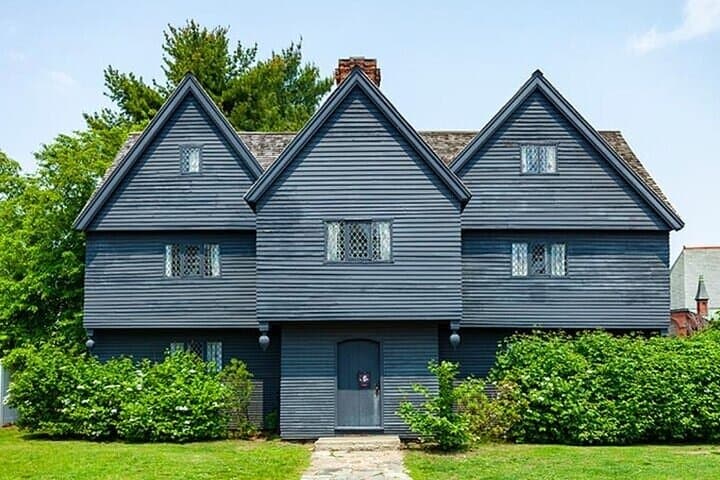
Walk the streets where 1692 unfolded and hear the documents and local lore that bring Salem’s witch trials into focus. This 90-minute guided route visits the Witch House, Burying Point Cemetery, Peabody Essex Museum, and the Witch Trials Memorial.
Walk the streets where 1692 unfolded and hear the documents and local lore that bring Salem’s witch trials into focus. This 90-minute guided route visits the Witch House, Burying Point Cemetery, Peabody Essex Museum, and the Witch Trials Memorial.
The late-afternoon light slides across narrow streets as your guide steps forward, voice low and deliberate, and the stones underfoot seem to remember the names spoken aloud.
Verified experiences and guided adventures in the surrounding area.
Operated by Ghost City Tours Salem · Salem, Massachusetts
The late-afternoon light slides across narrow streets as your guide steps forward, voice low and deliberate, and the stones underfoot seem to remember the names spoken aloud.
This 90-minute guided walk moves through Salem’s core: the Witch House, the 17th-century Burying Point Cemetery, the Peabody Essex Museum stop, and the quiet expanse of the Witch Trials Memorial. Guides layer court records and eyewitness accounts over the buildings, converting brick and clapboard into chapters of a legal and social crisis that reshaped New England.
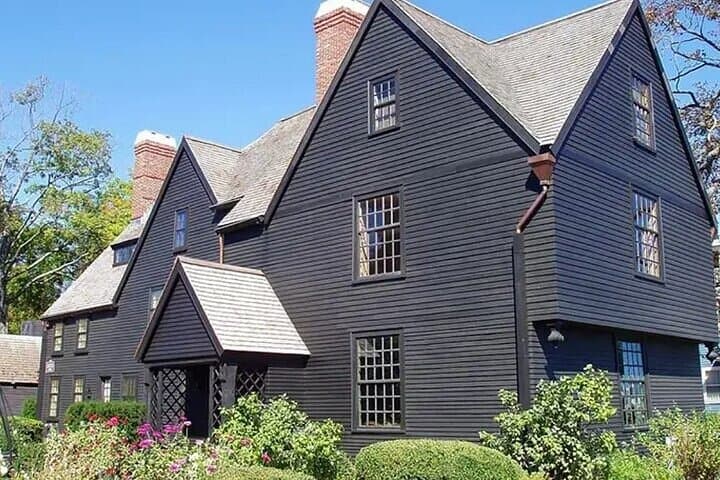
Salem’s story is rooted in 1692—colonial law, Puritan belief, and local politics collided in prosecutions that led to executions and long-term cultural scars. The town itself sits on low glacial plains and marshy estuaries; the built environment you’ll see reflects 18th- and 19th-century mercantile wealth with shipmaster houses and museum collections that preserve trial documents and material culture.
Expect close urban walking on paved sidewalks and occasional cobbles, short stops for interpretation, and a respectful focus at the memorial site where names and testimonies are read. The tour is accessible and suited to a wide range of participants; bring rain protection if the forecast calls for it and wear shoes that handle uneven stone.
Practical: meet at the John Ward House 15 minutes early with your confirmation; tours run year-round and cover weather-exposed sections. Photography is allowed at most stops, but the memorial and cemetery invite quiet reflection—keep voices low and leave artifacts undisturbed.
easy.
1.5 hours (90 minutes).
Suitable for most fitness levels; requires basic mobility for city walking and brief standing periods
The tour runs approximately 90 minutes and covers several outdoor stops within central Salem.
Yes — the operator lists wheelchair-accessible routes and surfaces, but contact the provider ahead of time for specific accommodations.
Photography is generally allowed, but please be respectful at the Witch Trials Memorial and in cemeteries—avoid flash and refrain from touching artifacts.
Yes — tours are family-friendly, but content covers historical trials and executions, so parental discretion is advised for younger children.
Salem’s 1692 trials grew from local accusations and colonial legal structures; the Witch House (Judge Corwin’s home) is the only structure directly tied to trial-era officials.
Historic sites in Salem rely on preservation funding and visitor stewardship—stay on marked paths, don’t remove artifacts, and follow museum rules to protect fragile materials.
Ghost City Tours Salem operates guided outdoor trips and adventures with an emphasis on safety, stewardship, and memorable experiences.
The late-afternoon light slides across narrow streets as your guide steps forward, voice low and deliberate, and the stones underfoot seem to remember the names spoken aloud.
The late-afternoon light slides across narrow streets as your guide steps forward, voice low and deliberate, and the stones underfoot seem to remember the names spoken aloud.
This 90-minute guided walk moves through Salem’s core: the Witch House, the 17th-century Burying Point Cemetery, the Peabody Essex Museum stop, and the quiet expanse of the Witch Trials Memorial. Guides layer court records and eyewitness accounts over the buildings, converting brick and clapboard into chapters of a legal and social crisis that reshaped New England.
Salem’s story is rooted in 1692—colonial law, Puritan belief, and local politics collided in prosecutions that led to executions and long-term cultural scars. The town itself sits on low glacial plains and marshy estuaries; the built environment you’ll see reflects 18th- and 19th-century mercantile wealth with shipmaster houses and museum collections that preserve trial documents and material culture.
Expect close urban walking on paved sidewalks and occasional cobbles, short stops for interpretation, and a respectful focus at the memorial site where names and testimonies are read. The tour is accessible and suited to a wide range of participants; bring rain protection if the forecast calls for it and wear shoes that handle uneven stone.
Practical: meet at the John Ward House 15 minutes early with your confirmation; tours run year-round and cover weather-exposed sections. Photography is allowed at most stops, but the memorial and cemetery invite quiet reflection—keep voices low and leave artifacts undisturbed.