THE ADVENTURE COLLECTIVE® · Independent discovery and booking for outdoor travel

Walk Salem’s streets with a guide who stitches together 1692’s witch trials, maritime history, and local legends. This 60–90 minute outdoor tour hits memorials, historic homes, and dramatic storytelling—book early, especially in October.
Walk Salem’s streets with a guide who stitches together 1692’s witch trials, maritime history, and local legends. This 60–90 minute outdoor tour hits memorials, historic homes, and dramatic storytelling—book early, especially in October.
You step onto Essex Street where salt air and brick sidewalks set the scene, and a guide's voice threads together witchcraft trials, maritime triumphs, and oddball chapters — like Houdini's local escape — into a compact walking narrative.
Verified experiences and guided adventures in the surrounding area.
Operated by Witch City Walkabout · Salem, Massachusetts
You step onto Essex Street where salt air and brick sidewalks set the scene, and a guide's voice threads together witchcraft trials, maritime triumphs, and oddball chapters — like Houdini's local escape — into a compact walking narrative.
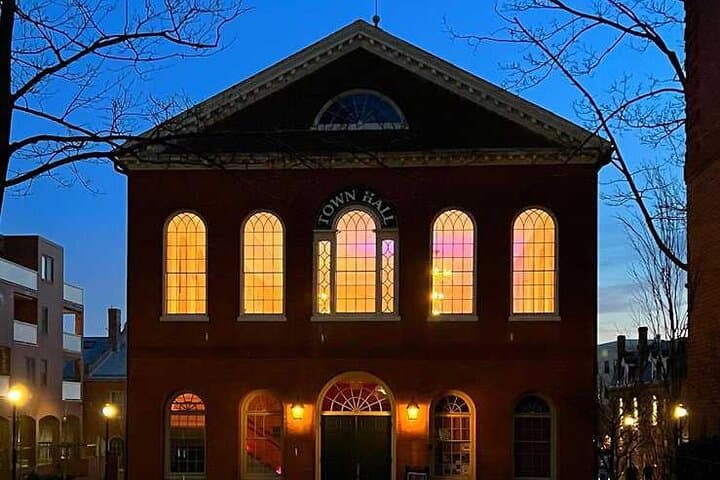
The tour moves through the downtown grid past the Witch Trial memorials, the East India Fountain meeting point, and historic facades that survived Salem's rise as an 18th‑century seaport. Geology and geography matter here: this is coastal New England — low bedrock, narrow streets, and a waterfront that once fueled trade with Europe and the Caribbean. The cultural context is blunt: 1692's trials changed Salem's identity, and later centuries layered mercantile wealth, maritime lore, and theatrical reinvention onto that foundation.
Expect five to a dozen short outdoor stops, historical interpretation about the trials and early American revolution-era events, and interleaved ghost stories—some rooted in documented incidents, others in local legend. Guides often point out architectural details, plaques, and memorial spaces where crowds gather, especially during October.
Practical guidance: the tour is 60–90 minutes of mostly flat walking on uneven historic pavement; comfortable closed-toe shoes and a light rain shell helps. If you want photos with fewer people, take an early or late slot outside peak October hours. Accessibility is good overall but the old streets include cobbles and curbs — mobility devices are accommodated with notice. Book ahead in high season; these tours fill fast and operate rain or shine.
easy.
60–90 minutes.
Moderate walking fitness; suitable for most people who can stand and walk short distances.
The meeting point is the East India Fountain on Essex Street (listed as 168/161 Essex Street) — check your confirmation for exact local directions.
Yes—organizers accommodate mobility devices, but historic streets can be uneven; notify the operator when booking so guides can plan the best route.
Both — the guide balances documented Salem history (Witch Trials, maritime era) with paranormal tales and local legends for a rounded narrative.
Full refunds are available if you cancel at least 24 hours before the scheduled departure; check your booking confirmation for details.
Salem grew from a 17th‑century Puritan village into an influential 18th‑century port; the 1692 Witch Trials remain a central, traumatic chapter that shapes local memory and tourism.
Local groups focus on preserving historic buildings and managing visitor impacts—stay on walkways, avoid touching memorial stones, and support local businesses to sustain the historic district.
Witch City Walkabout operates guided outdoor trips and adventures with an emphasis on safety, stewardship, and memorable experiences.

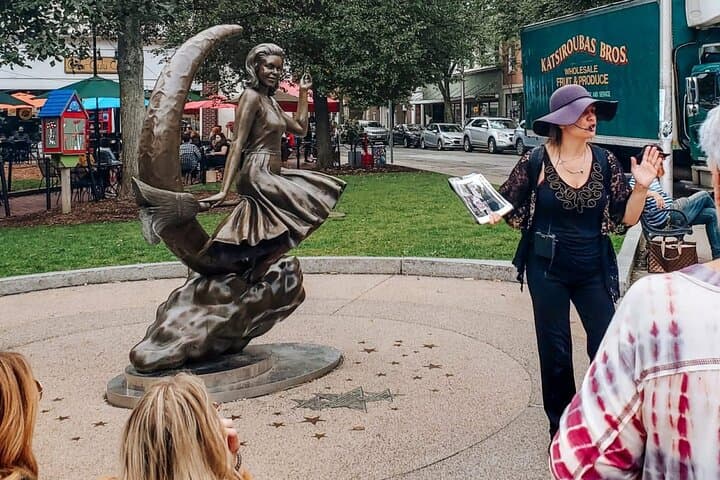
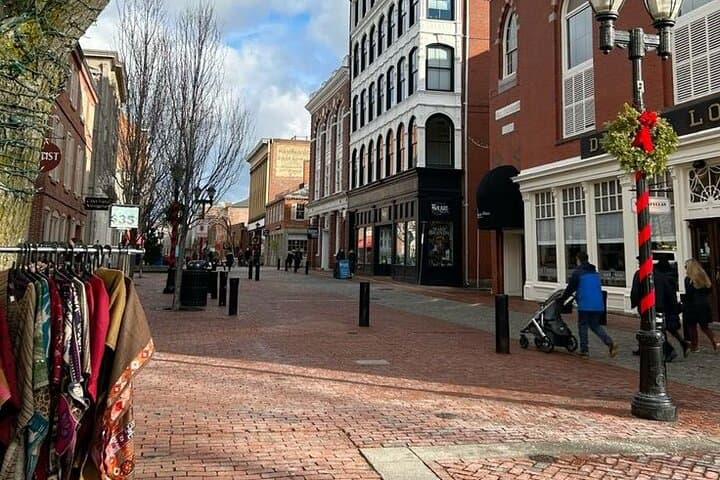
You step onto Essex Street where salt air and brick sidewalks set the scene, and a guide's voice threads together witchcraft trials, maritime triumphs, and oddball chapters — like Houdini's local escape — into a compact walking narrative.
You step onto Essex Street where salt air and brick sidewalks set the scene, and a guide's voice threads together witchcraft trials, maritime triumphs, and oddball chapters — like Houdini's local escape — into a compact walking narrative.
The tour moves through the downtown grid past the Witch Trial memorials, the East India Fountain meeting point, and historic facades that survived Salem's rise as an 18th‑century seaport. Geology and geography matter here: this is coastal New England — low bedrock, narrow streets, and a waterfront that once fueled trade with Europe and the Caribbean. The cultural context is blunt: 1692's trials changed Salem's identity, and later centuries layered mercantile wealth, maritime lore, and theatrical reinvention onto that foundation.
Expect five to a dozen short outdoor stops, historical interpretation about the trials and early American revolution-era events, and interleaved ghost stories—some rooted in documented incidents, others in local legend. Guides often point out architectural details, plaques, and memorial spaces where crowds gather, especially during October.
Practical guidance: the tour is 60–90 minutes of mostly flat walking on uneven historic pavement; comfortable closed-toe shoes and a light rain shell helps. If you want photos with fewer people, take an early or late slot outside peak October hours. Accessibility is good overall but the old streets include cobbles and curbs — mobility devices are accommodated with notice. Book ahead in high season; these tours fill fast and operate rain or shine.