THE ADVENTURE COLLECTIVE® · Independent discovery and booking for outdoor travel

Pair a daytime history walk through the sites of the 1692 witch trials with a 90-minute after-dark ghost tour. This three-hour combo gives context, contrast, and local color while moving from sober history to theatrical storytelling.
Pair a daytime history walk through the sites of the 1692 witch trials with a 90-minute after-dark ghost tour. This three-hour combo gives context, contrast, and local color while moving from sober history to theatrical storytelling.
By late afternoon the brick streets of Salem take on a particular angle of light — low and flat, catching the gables and narrow windows of colonial houses. On this two-tour combination you move from daylight history into nighttime stories, starting with a sober walk through sites tied to the 1692 trials and finishing under streetlamps and moonlight where ghost stories land with a laugh and a shiver.
Verified experiences and guided adventures in the surrounding area.
Operated by Tours for Touring Tourists · Salem, Massachusetts
By late afternoon the brick streets of Salem take on a particular angle of light — low and flat, catching the gables and narrow windows of colonial houses. On this two-tour combination you move from daylight history into nighttime stories, starting with a sober walk through sites tied to the 1692 trials and finishing under streetlamps and moonlight where ghost stories land with a laugh and a shiver.
Salem’s built environment is honest about its past: Georgian facades, a handful of preserved 17th- and 18th-century homes, and the Old Burying Point where headstones tilt toward the harbor. Geology here is coastal New England — glacially scoured bedrock, sandy flats at low tide, and a shoreline that shaped Salem’s maritime prosperity in the 18th and 19th centuries. Culturally the city is defined by a collision of commerce, commemoration, and theatrical memory; guides knit primary sources and local lore to explain how rumor, power, and poverty fed the witch trials.
Practical guide: plan for about three hours total; the program pairs a 45–60 minute daytime talk (or a one-hour “Steps through 1692” walk) with a 90-minute evening ghost tour. Tours start at the Pequot House (Shetland Park) — arrive 10–15 minutes early. Wear comfortable walking shoes and dress for coastal evenings, which get chilly outside of summer. Expect paved sidewalks, intermittent steps, and group sizes that can swell; ask about accessibility if mobility is a concern. Bring a charged phone for photos, a small water bottle, and an open mind — the city asks visitors to be respectful at memorial sites and private properties.
easy.
3 hours.
Light walking ability; suitable for most fitness levels with intermittent standing
Both tours start and end at the Pequot House (the blue & black 1930s house in Shetland Park by the bridge); follow host instructions and arrive 10–15 minutes early.
The operator lists wheelchair accessibility, but street surfaces and some historic sites may impose constraints — contact the provider ahead to confirm accommodations for your chosen date and time.
Children can attend, but content on the ghost tour may be frightening; use discretion for younger kids and ask about alternative daytime programming if concerned.
All sales are final with no refunds; confirm availability and weather plans before booking and arrive punctually as tours depart on schedule.
Salem’s identity is inseparable from the 1692 witch trials; the city was also an important 18th–19th century port, and many preserved buildings reflect that maritime wealth.
Visitors are asked to preserve fragile historic fabric: avoid touching artifacts, stay on marked paths, and respect grave markers and private property to minimize wear on sensitive sites.
Tours for Touring Tourists operates guided outdoor trips and adventures with an emphasis on safety, stewardship, and memorable experiences.
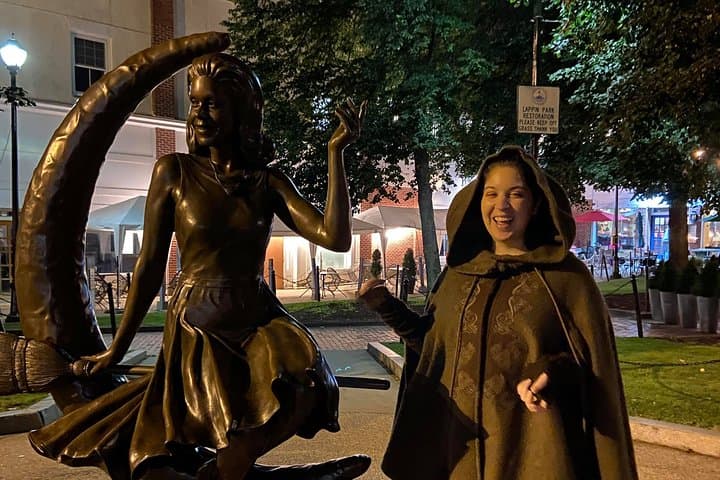
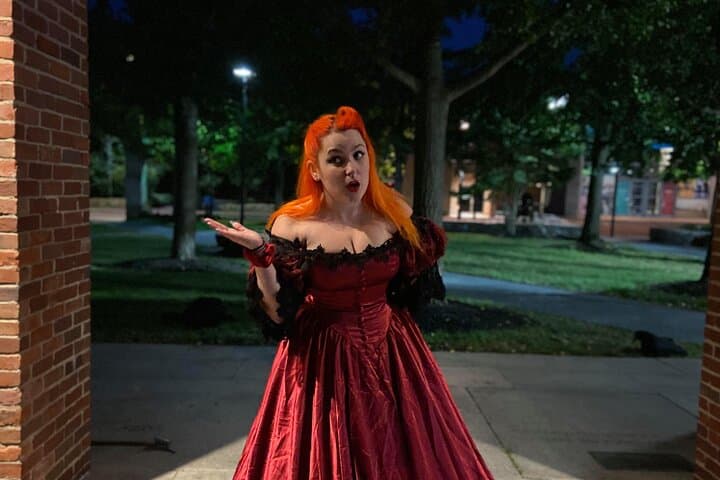
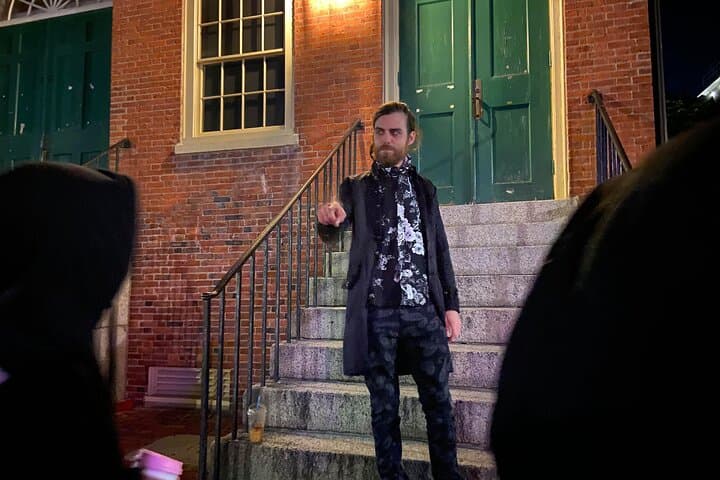
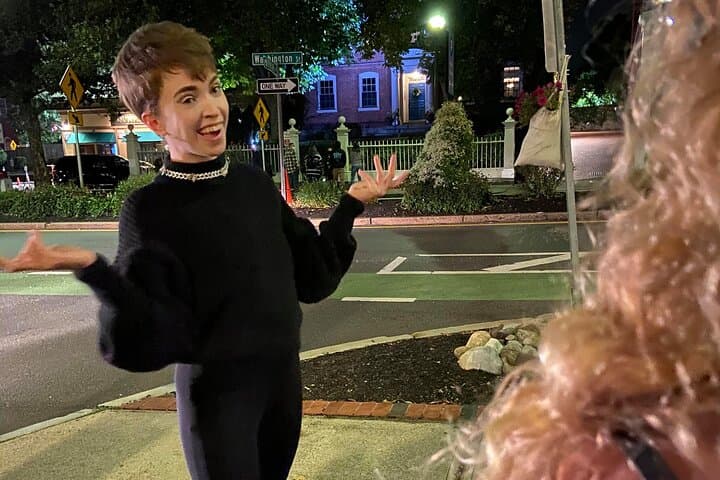
By late afternoon the brick streets of Salem take on a particular angle of light — low and flat, catching the gables and narrow windows of colonial houses. On this two-tour combination you move from daylight history into nighttime stories, starting with a sober walk through sites tied to the 1692 trials and finishing under streetlamps and moonlight where ghost stories land with a laugh and a shiver.
By late afternoon the brick streets of Salem take on a particular angle of light — low and flat, catching the gables and narrow windows of colonial houses. On this two-tour combination you move from daylight history into nighttime stories, starting with a sober walk through sites tied to the 1692 trials and finishing under streetlamps and moonlight where ghost stories land with a laugh and a shiver.
Salem’s built environment is honest about its past: Georgian facades, a handful of preserved 17th- and 18th-century homes, and the Old Burying Point where headstones tilt toward the harbor. Geology here is coastal New England — glacially scoured bedrock, sandy flats at low tide, and a shoreline that shaped Salem’s maritime prosperity in the 18th and 19th centuries. Culturally the city is defined by a collision of commerce, commemoration, and theatrical memory; guides knit primary sources and local lore to explain how rumor, power, and poverty fed the witch trials.
Practical guide: plan for about three hours total; the program pairs a 45–60 minute daytime talk (or a one-hour “Steps through 1692” walk) with a 90-minute evening ghost tour. Tours start at the Pequot House (Shetland Park) — arrive 10–15 minutes early. Wear comfortable walking shoes and dress for coastal evenings, which get chilly outside of summer. Expect paved sidewalks, intermittent steps, and group sizes that can swell; ask about accessibility if mobility is a concern. Bring a charged phone for photos, a small water bottle, and an open mind — the city asks visitors to be respectful at memorial sites and private properties.