THE ADVENTURE COLLECTIVE® · Independent discovery and booking for outdoor travel

Visit two of southwestern Turkey’s striking natural sites in one long day: the clear, white-sand shores of Salda Lake and the chalky travertine terraces and Roman ruins at Pamukkale. This guided trip blends swimming, short walks and archaeological sightseeing with several hours of coach travel.
Visit two of southwestern Turkey’s striking natural sites in one long day: the clear, white-sand shores of Salda Lake and the chalky travertine terraces and Roman ruins at Pamukkale. This guided trip blends swimming, short walks and archaeological sightseeing with several hours of coach travel.
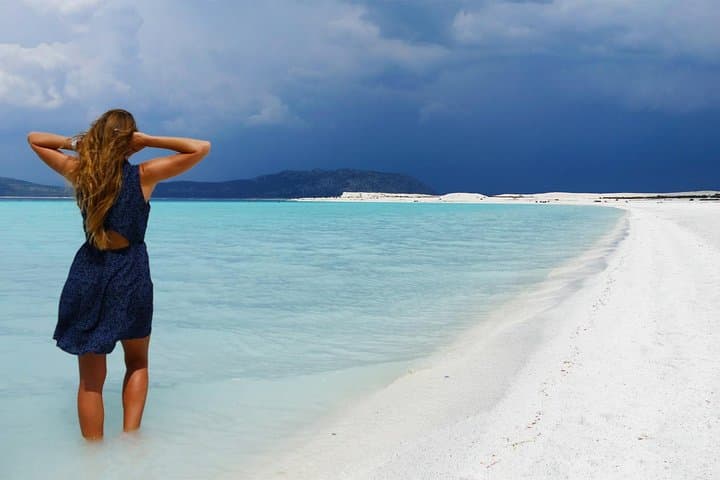
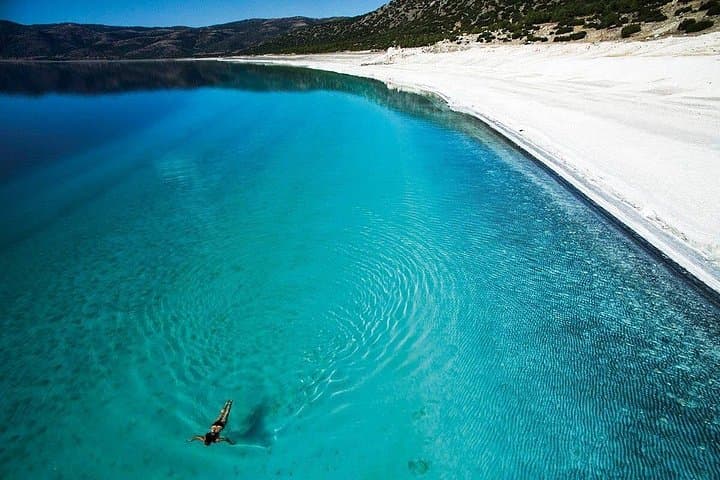
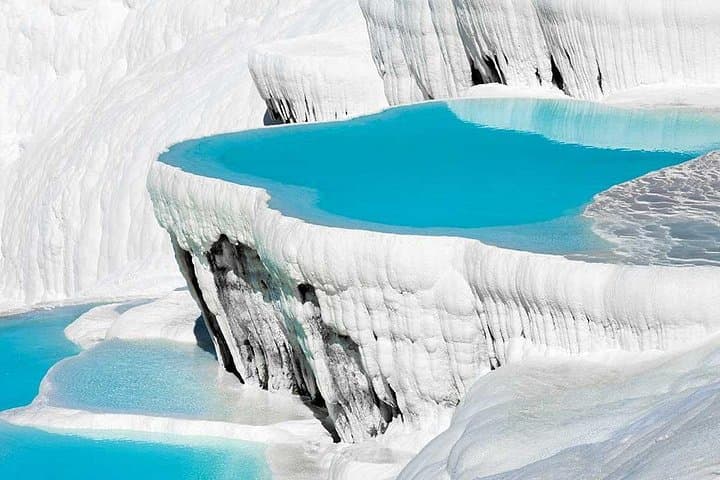
Early in the morning the coach slips out of Side and the Mediterranean sun shrinks behind the windshield. By mid-morning the landscape shifts—pine-dotted plains give way to a high basin where Salda Lake’s white silica sand and cobalt water dare you to pause. Later the road climbs toward Pamukkale, where bands of white travertine flow like frozen waterfalls and mineral springs steam against the late-day light.
Verified experiences and guided adventures in the surrounding area.
Operated by Tourmania · Denizli, Denizli Province
Early in the morning the coach slips out of Side and the Mediterranean sun shrinks behind the windshield. By mid-morning the landscape shifts—pine-dotted plains give way to a high basin where Salda Lake’s white silica sand and cobalt water dare you to pause. Later the road climbs toward Pamukkale, where bands of white travertine flow like frozen waterfalls and mineral springs steam against the late-day light.
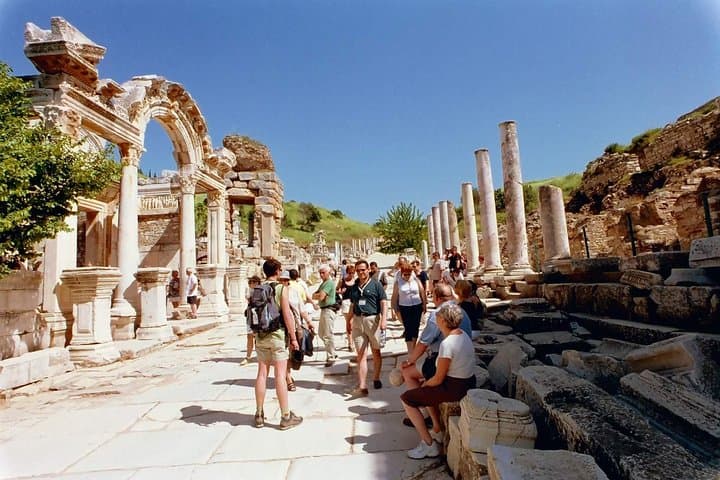
Salda Lake, often called the "Turkish Maldives," sits on a high inland plain with very clear, mineral-rich water and soft, boron-tinted sand. Pamukkale’s terraces are formed by calcium-carbonate deposits from thermal springs; the adjacent Roman spa city of Hierapolis adds layered human history—a well-preserved theatre, necropolis and baths dating to the Hellenistic and Roman periods.
Expect a day of contrasts: sandy shores and shallow swimming at Salda, then walking on compact, stepped limestone terraces in Pamukkale and exploring archaeological ruins. Terrain is mostly flat at Salda and gently sloping at Pamukkale; both sites require standing and walking on uneven surfaces and steps. Allow several hours of coach travel between Side, Salda and Pamukkale, and plan for sun, reflective glare off the water and fragile protected features.
Practical tips: wear sturdy sandals or shoes you can remove for certain terrace areas, pack sun protection and a refillable water bottle, and bring small bills for site fees and refreshments. Follow the guide’s route and local signage to protect delicate travertines—many areas have restricted access and some features such as Cleopatra’s Pool may be closed for restoration.
easy.
12–15 hours.
Suitable for travelers in average physical condition; requires standing, short hikes and stair negotiation.
This is a full-day excursion that can last 12–15 hours including coach transfers; expect several hours of driving each way between Side, Salda and Pamukkale.
Swimming at Salda is commonly allowed in warmer months; access to thermal pools and Cleopatra’s Pool is subject to closures—check the latest site rules as some pools may be closed for restoration.
Terrain includes sandy shoreline, uneven paths and stairs in Hierapolis and at the travertines; the tour is generally suitable for most fitness levels but may be difficult for those with limited mobility.
The tour usually includes meals listed in the itinerary, but bring small cash for incidental purchases, souvenirs, or optional extras; some remote vendors may be cash-preferred.
Pamukkale and Hierapolis form a combined cultural-landscape site with Hellenistic foundations and Roman-era baths that turned the springs into a major ancient spa center.
Both sites are protected for their geological and archaeological value—visit routes are managed to limit erosion and chemical damage; follow signage to avoid trampling fragile deposits.
Tourmania operates guided outdoor trips and adventures with an emphasis on safety, stewardship, and memorable experiences.
Early in the morning the coach slips out of Side and the Mediterranean sun shrinks behind the windshield. By mid-morning the landscape shifts—pine-dotted plains give way to a high basin where Salda Lake’s white silica sand and cobalt water dare you to pause. Later the road climbs toward Pamukkale, where bands of white travertine flow like frozen waterfalls and mineral springs steam against the late-day light.
Early in the morning the coach slips out of Side and the Mediterranean sun shrinks behind the windshield. By mid-morning the landscape shifts—pine-dotted plains give way to a high basin where Salda Lake’s white silica sand and cobalt water dare you to pause. Later the road climbs toward Pamukkale, where bands of white travertine flow like frozen waterfalls and mineral springs steam against the late-day light.
Salda Lake, often called the "Turkish Maldives," sits on a high inland plain with very clear, mineral-rich water and soft, boron-tinted sand. Pamukkale’s terraces are formed by calcium-carbonate deposits from thermal springs; the adjacent Roman spa city of Hierapolis adds layered human history—a well-preserved theatre, necropolis and baths dating to the Hellenistic and Roman periods.
Expect a day of contrasts: sandy shores and shallow swimming at Salda, then walking on compact, stepped limestone terraces in Pamukkale and exploring archaeological ruins. Terrain is mostly flat at Salda and gently sloping at Pamukkale; both sites require standing and walking on uneven surfaces and steps. Allow several hours of coach travel between Side, Salda and Pamukkale, and plan for sun, reflective glare off the water and fragile protected features.
Practical tips: wear sturdy sandals or shoes you can remove for certain terrace areas, pack sun protection and a refillable water bottle, and bring small bills for site fees and refreshments. Follow the guide’s route and local signage to protect delicate travertines—many areas have restricted access and some features such as Cleopatra’s Pool may be closed for restoration.