THE ADVENTURE COLLECTIVE® · Independent discovery and booking for outdoor travel

Two days of long lines of salt and volcanic isles: ride the overnight buses from Puno to Uyuni, explore Colchani’s salt workshops, the train cemetery, and hike Incahuasi Island for panoramic views. Practical for travelers who want a concise, dramatic taste of the Salar.
Two days of long lines of salt and volcanic isles: ride the overnight buses from Puno to Uyuni, explore Colchani’s salt workshops, the train cemetery, and hike Incahuasi Island for panoramic views. Practical for travelers who want a concise, dramatic taste of the Salar.
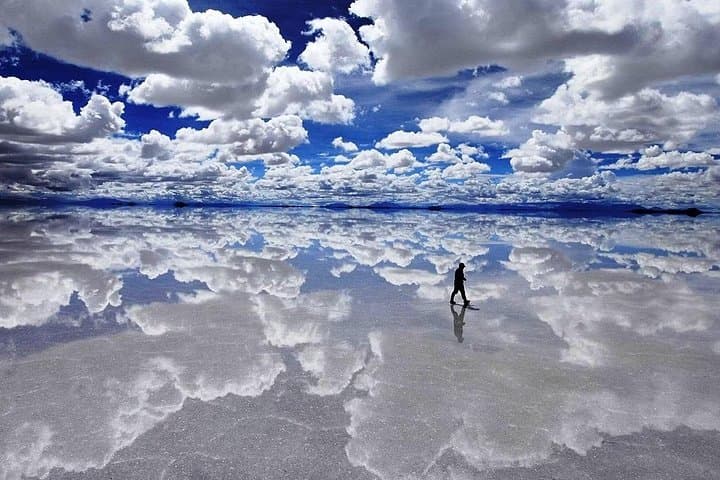
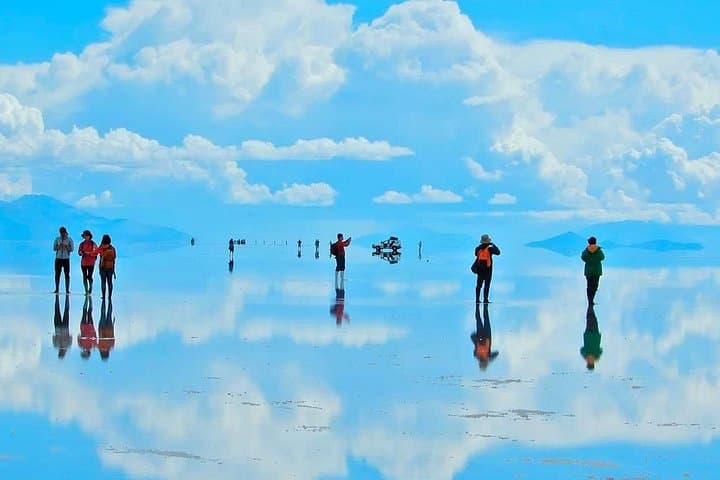
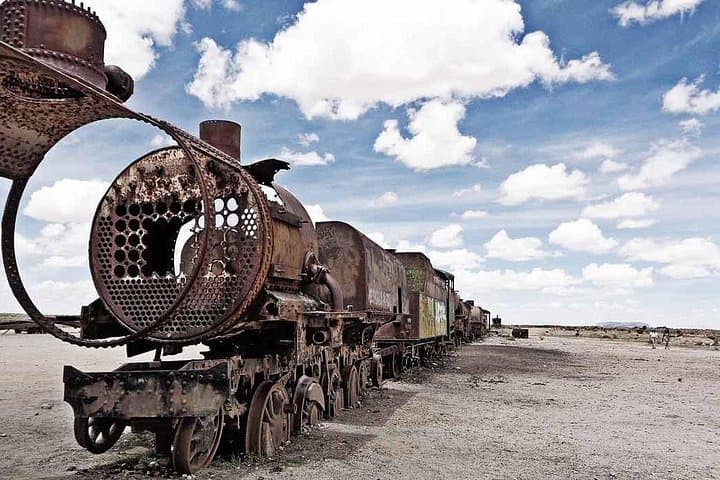
A thin morning light flattens the horizon into a white sheet as the bus from La Paz eases into Uyuni town. Salt crust, pale and cracked, stretches beyond sight—sometimes a sharp, crystalline plain, sometimes a perfect mirror after rain. On day two, travelers move from the café pickup through the train cemetery’s rusting hulks and into the quiet, otherworldly reach of the Salar.
Verified experiences and guided adventures in the surrounding area.
Operated by Machupicchu Holiday · Uyuni, Potosí Department
A thin morning light flattens the horizon into a white sheet as the bus from La Paz eases into Uyuni town. Salt crust, pale and cracked, stretches beyond sight—sometimes a sharp, crystalline plain, sometimes a perfect mirror after rain. On day two, travelers move from the café pickup through the train cemetery’s rusting hulks and into the quiet, otherworldly reach of the Salar.
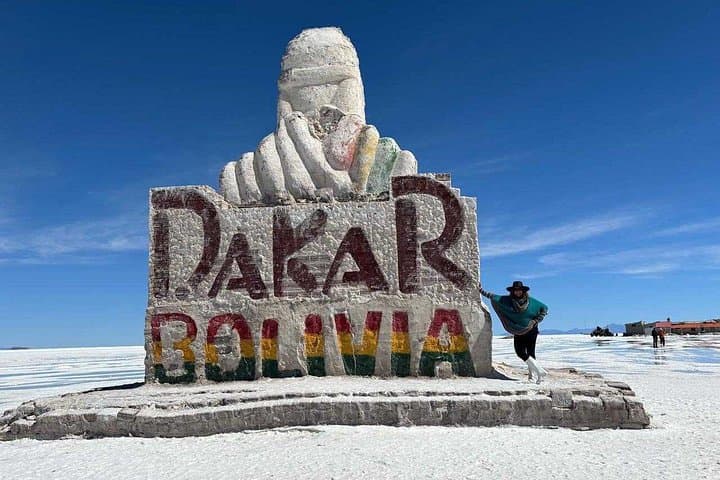
This is a landscape written in geology: a prehistoric lake bed left to evaporate, leaving a thick salt pan topped by polygonal tiles. Incahuasi Island rises from that white like an oasis of volcanic rock, ringed with giant columnar cacti and fossil-rich sea-stone, reminders of the ocean that once filled the basin. Colchani’s salt workshops and Playa Blanca’s salt-hotel museum show how local communities extract and shape this resource—an economy tied to salt, quartz and the steady arrival of curious visitors.
Expect short hikes on Incahuasi (stone steps and uneven ground), open exposures where wind and sun dominate, and a pace set by daylight and vehicle logistics. Bring strong sun protection, layers for cold high-altitude mornings, and cash for small crafts in Colchani. Allow extra time for the 9 p.m. overnight bus connection; buses are the practical spine of cross-border and intercity travel here. With basic acclimatization and sensible footwear, the Salar delivers improbable vistas and a compact, two-day loop that balances city transfers with the distinct, high-altitude silence of Bolivia’s largest salt flat.
moderate.
2 days.
Reasonable mobility for short hikes and long transport segments; able to walk 30–60 minutes on uneven terrain.
No—this tour is rated suitable for most fitness levels; hikes are short but uneven, and long bus transfers require stamina rather than technical fitness.
A Spanish-speaking guide is provided for transfers and some services; the second-day Salar tour includes guide services, and an English guide is an optional selection.
Uyuni sits around 3,650 m; mild altitude symptoms (headache, breathlessness) are common—hydrate, rest, and avoid alcohol before travel.
The mirror effect appears during the rainy season (roughly December–April) when a thin layer of water covers the salt—timing can be variable year to year.
The Salar formed from an ancient lake basin and has long been a salt-harvesting site; Incahuasi preserves marine fossils and cactus growth anchored on volcanic rock.
Tour operators and communities aim to limit vehicle tracks and uncontrolled waste; stick to marked routes, avoid leaving trash, and support locally run workshops.
Machupicchu Holiday operates guided outdoor trips and adventures with an emphasis on safety, stewardship, and memorable experiences.
A thin morning light flattens the horizon into a white sheet as the bus from La Paz eases into Uyuni town. Salt crust, pale and cracked, stretches beyond sight—sometimes a sharp, crystalline plain, sometimes a perfect mirror after rain. On day two, travelers move from the café pickup through the train cemetery’s rusting hulks and into the quiet, otherworldly reach of the Salar.
A thin morning light flattens the horizon into a white sheet as the bus from La Paz eases into Uyuni town. Salt crust, pale and cracked, stretches beyond sight—sometimes a sharp, crystalline plain, sometimes a perfect mirror after rain. On day two, travelers move from the café pickup through the train cemetery’s rusting hulks and into the quiet, otherworldly reach of the Salar.
This is a landscape written in geology: a prehistoric lake bed left to evaporate, leaving a thick salt pan topped by polygonal tiles. Incahuasi Island rises from that white like an oasis of volcanic rock, ringed with giant columnar cacti and fossil-rich sea-stone, reminders of the ocean that once filled the basin. Colchani’s salt workshops and Playa Blanca’s salt-hotel museum show how local communities extract and shape this resource—an economy tied to salt, quartz and the steady arrival of curious visitors.
Expect short hikes on Incahuasi (stone steps and uneven ground), open exposures where wind and sun dominate, and a pace set by daylight and vehicle logistics. Bring strong sun protection, layers for cold high-altitude mornings, and cash for small crafts in Colchani. Allow extra time for the 9 p.m. overnight bus connection; buses are the practical spine of cross-border and intercity travel here. With basic acclimatization and sensible footwear, the Salar delivers improbable vistas and a compact, two-day loop that balances city transfers with the distinct, high-altitude silence of Bolivia’s largest salt flat.