THE ADVENTURE COLLECTIVE® · Independent discovery and booking for outdoor travel

Drive from Salalah into the vast Rub’ al Khali on a private 4x4 day trip that pairs UNESCO frankincense sites with the sweeping dunes of the Empty Quarter. Expect short walks, archaeological viewpoints, and sunset-ready sandscapes.
Drive from Salalah into the vast Rub’ al Khali on a private 4x4 day trip that pairs UNESCO frankincense sites with the sweeping dunes of the Empty Quarter. Expect short walks, archaeological viewpoints, and sunset-ready sandscapes.
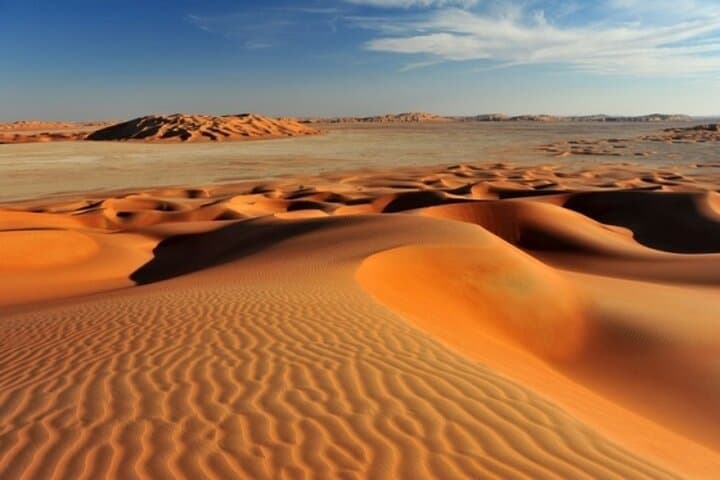
A late-afternoon sun thins across white dunes as your 4x4 grinds away from Salalah; sand crests roll like a living map and the wind begins to read the contours aloud. The drive moves from the humid, green fringes of Dhofar into an austere sea of orange and ivory, where the Empty Quarter dares you to measure distance by the angle of light.
Verified experiences and guided adventures in the surrounding area.
Operated by Discover Mazoon Tours Oman · Salalah, Dhofar Governorate
A late-afternoon sun thins across white dunes as your 4x4 grinds away from Salalah; sand crests roll like a living map and the wind begins to read the contours aloud. The drive moves from the humid, green fringes of Dhofar into an austere sea of orange and ivory, where the Empty Quarter dares you to measure distance by the angle of light.
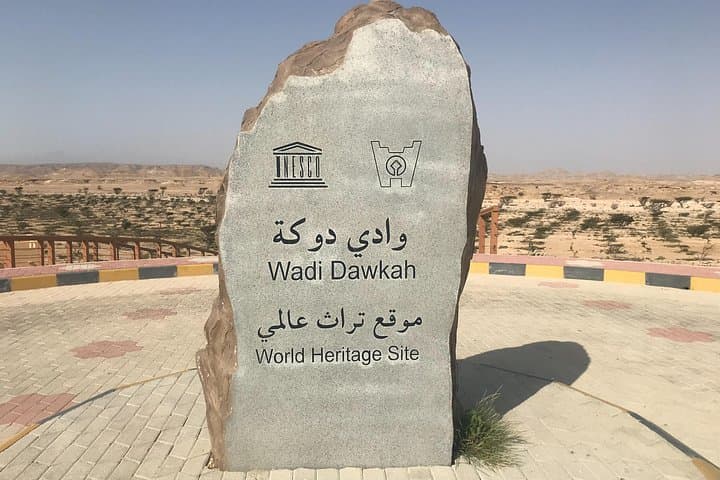
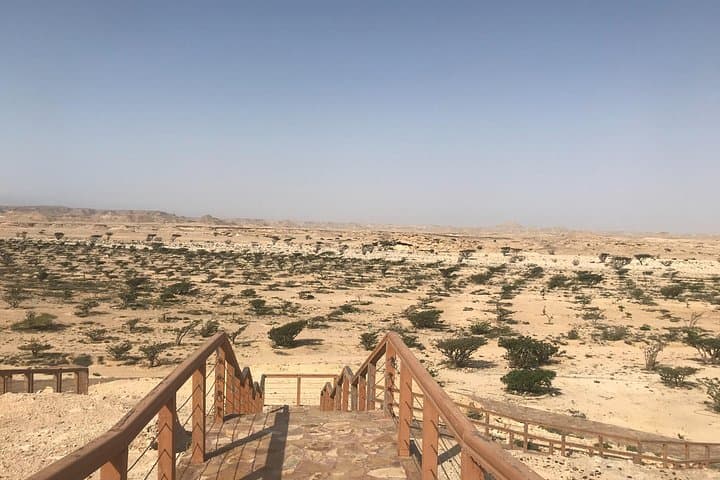
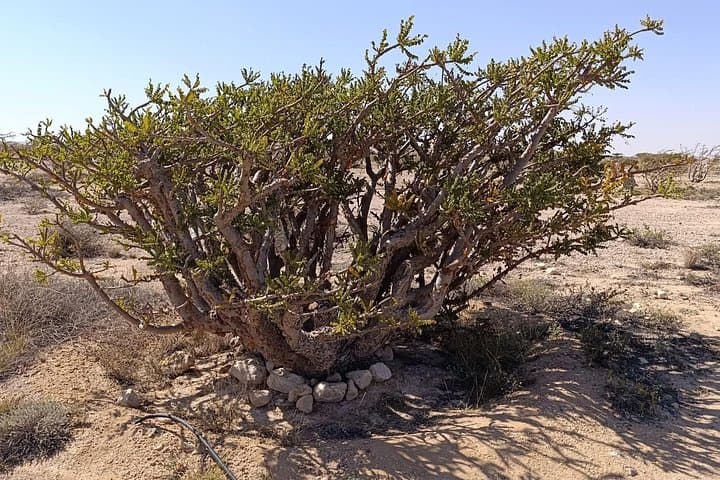
This route threads history into landscape: Wadi Dawkah’s standing frankincense trees mark a World Heritage corridor that fed ancient trade routes, and Al Shisr (the so‑called Lost City) hints at long‑vanished settlements tied to the frankincense economy and local lore. Geologically, the Rub’ al Khali is a moving fabric of aeolian dunes—sheets of sand sculpted by seasonal winds and occasional runoff—overlaying older sedimentary basins. Local culture remains tied to incense and coastal fishing villages; you’ll see simple stone buildings and caravan-era wells that speak to centuries of trade across Arabia.
Practical guidance: this is a full-day, private 4x4 excursion (about 8–9 hours) with short on-foot explorations. Dress in breathable layers, close-toed shoes for dune walking, and bring at least 2–3 liters of water per person. Plan for strong sun and shifting temperatures; mornings and late afternoons offer softer light and cooler conditions. Respect fenced reserves and archaeological markers—these sites are fragile and protected. Photography rewards patience: dawn and dusk turn sand into hard-edged reliefs and reveal the pale crystal veins in exposed stone.
Expect long stretches in the vehicle, short interpretive stops, and the rare silence of an immense landscape—an immersive half-day of geology, history, and desert scale that’s accessible without technical skills.
easy.
8–9 hours.
Suitable for most fitness levels—mainly vehicle time with short, easy walks on sand
The tour runs about 8–9 hours round-trip, including stops at Wadi Dawkah, Al Shisr, and time at the sand dunes.
Yes—vehicles can accommodate infants and infant seats are available, but infants should not sit on laps; check provider policies on minimum ages.
No—the trip is driven by a local driver; you don’t need off-road skills, but expect bumpy desert tracks and dune approaches.
Typically this private tour includes transport and bottled water; confirm with the operator whether site admissions are covered before booking.
This corridor was a backbone of the ancient frankincense trade; Wadi Dawkah and Al Shisr are part of Oman’s World Heritage inscription tied to incense routes.
The frankincense groves and archaeological sites are fragile—stay on designated tracks, avoid removing resin or artifacts, and pack out all trash.
Discover Mazoon Tours Oman operates guided outdoor trips and adventures with an emphasis on safety, stewardship, and memorable experiences.
A late-afternoon sun thins across white dunes as your 4x4 grinds away from Salalah; sand crests roll like a living map and the wind begins to read the contours aloud. The drive moves from the humid, green fringes of Dhofar into an austere sea of orange and ivory, where the Empty Quarter dares you to measure distance by the angle of light.
A late-afternoon sun thins across white dunes as your 4x4 grinds away from Salalah; sand crests roll like a living map and the wind begins to read the contours aloud. The drive moves from the humid, green fringes of Dhofar into an austere sea of orange and ivory, where the Empty Quarter dares you to measure distance by the angle of light.
This route threads history into landscape: Wadi Dawkah’s standing frankincense trees mark a World Heritage corridor that fed ancient trade routes, and Al Shisr (the so‑called Lost City) hints at long‑vanished settlements tied to the frankincense economy and local lore. Geologically, the Rub’ al Khali is a moving fabric of aeolian dunes—sheets of sand sculpted by seasonal winds and occasional runoff—overlaying older sedimentary basins. Local culture remains tied to incense and coastal fishing villages; you’ll see simple stone buildings and caravan-era wells that speak to centuries of trade across Arabia.
Practical guidance: this is a full-day, private 4x4 excursion (about 8–9 hours) with short on-foot explorations. Dress in breathable layers, close-toed shoes for dune walking, and bring at least 2–3 liters of water per person. Plan for strong sun and shifting temperatures; mornings and late afternoons offer softer light and cooler conditions. Respect fenced reserves and archaeological markers—these sites are fragile and protected. Photography rewards patience: dawn and dusk turn sand into hard-edged reliefs and reveal the pale crystal veins in exposed stone.
Expect long stretches in the vehicle, short interpretive stops, and the rare silence of an immense landscape—an immersive half-day of geology, history, and desert scale that’s accessible without technical skills.