THE ADVENTURE COLLECTIVE® · Independent discovery and booking for outdoor travel

Explore Salalah in a half-day: admire Sultan Qaboos Mosque, browse fragrant Haffa Souq, taste traditional Omani halwa and visit coastal farms. Perfect for travelers seeking a compact cultural sampler with practical logistics handled.
Explore Salalah in a half-day: admire Sultan Qaboos Mosque, browse fragrant Haffa Souq, taste traditional Omani halwa and visit coastal farms. Perfect for travelers seeking a compact cultural sampler with practical logistics handled.
A salt breeze carries the smell of frankincense as you step from the air-conditioned vehicle onto Haffa Beach’s white sand, coconut palms leaning toward the Arabian Sea like patient sentries.
Verified experiences and guided adventures in the surrounding area.
Operated by Beautiful Salalah Tours · Salalah, Dhofar
A salt breeze carries the smell of frankincense as you step from the air-conditioned vehicle onto Haffa Beach’s white sand, coconut palms leaning toward the Arabian Sea like patient sentries.
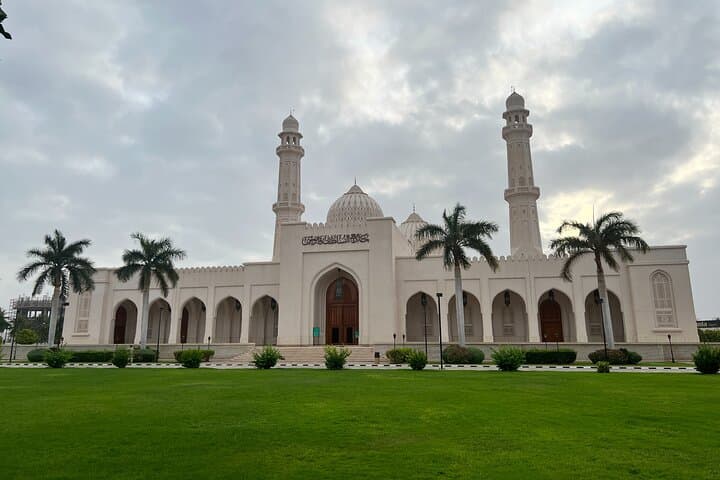
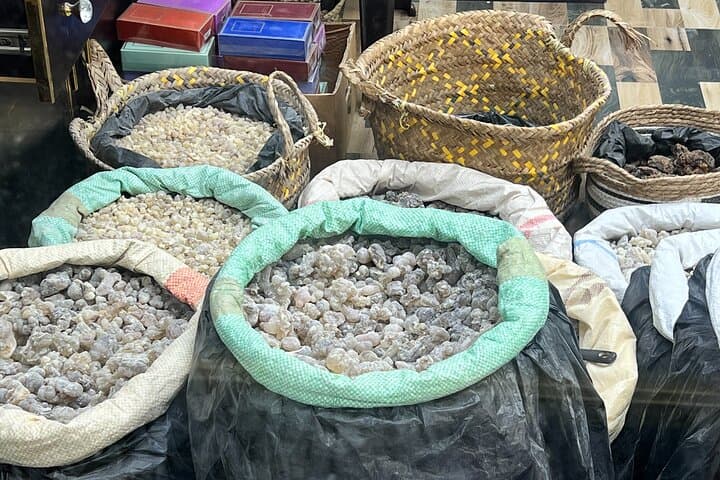
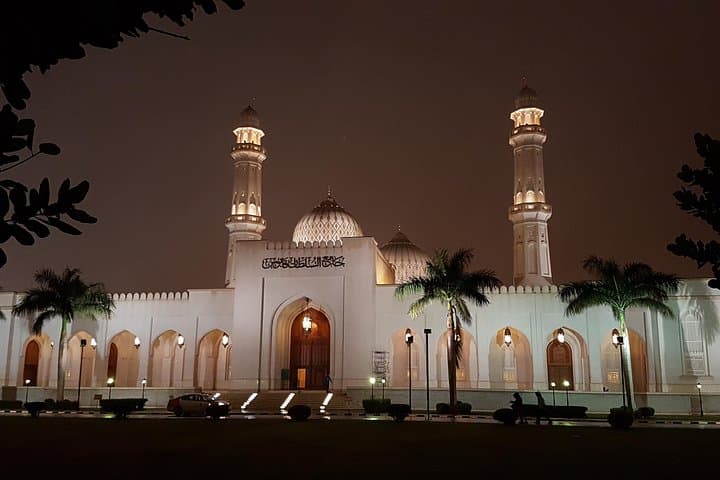
This half-day tour threads through Salalah’s coastal plain: a stop at Sultan Qaboos Mosque introduces modern Omani architecture—marble courtyards, geometric detailing—before you cross to the low-rise market lanes of Haffa Souq where perfumes, frankincense and hand-stitched garments crowd the stalls.
Dhofar’s history is palpable here. Salalah grew wealthy on the frankincense trade, a commodity that drew merchants from the Mediterranean to the Indian Ocean. The city sits on limestone and alluvial soils fed by seasonal runoff, which is why farms of banana, coconut and papaya thrive near the shore.
Culture arrives as halwa on a small plate: saffron, date and nut flavors tied to Omani hospitality. The route finishes at Salalah Grand Mall for modern conveniences—coffee shops, perfumeries and air-conditioned shops that contrast with the souq’s open-air bustle.
Practical guidance: plan mornings or late afternoons to avoid peak heat, and schedule around local prayer times if you want uninterrupted mosque visits. Wear lightweight, modest clothing that covers shoulders and knees for mosque entry; comfortable closed shoes work best for the farm walk. Bring sunscreen, a refillable water bottle and small change for purchases and bargaining in the souq.
This tour balances cultural stops and brief walks, ideal for travelers wanting a compact, sensory introduction to Salalah without deep hiking or long transfers.
easy.
3–4 hours.
Suitable for most fitness levels; involves short walks and standing in markets.
Yes; tourists can visit with a guide, but must follow dress codes and mosque opening hours—check with your guide for restricted times during prayers.
Yes; the itinerary includes time to browse and buy frankincense, perfumes and textiles—bring small cash and allow 20–30 minutes to shop.
The tour notes wheelchair accessibility for vehicles and most stops, but some market alleys and the farm track may be uneven—notify the operator when booking to confirm arrangements.
Bottled water is included; halwa tasting is provided, while additional snacks or meals at the mall or cafes are at your own expense.
Salalah’s wealth historically came from the frankincense trade; Dhofar’s ports connected Arabia to Roman, Persian and later Indian Ocean merchants.
Frankincense trees are culturally important and face pressure from land use; avoid buying uncertified wild-harvested products and follow local guidance to minimize impact.
Beautiful Salalah Tours operates guided outdoor trips and adventures with an emphasis on safety, stewardship, and memorable experiences.
A salt breeze carries the smell of frankincense as you step from the air-conditioned vehicle onto Haffa Beach’s white sand, coconut palms leaning toward the Arabian Sea like patient sentries.
A salt breeze carries the smell of frankincense as you step from the air-conditioned vehicle onto Haffa Beach’s white sand, coconut palms leaning toward the Arabian Sea like patient sentries.
This half-day tour threads through Salalah’s coastal plain: a stop at Sultan Qaboos Mosque introduces modern Omani architecture—marble courtyards, geometric detailing—before you cross to the low-rise market lanes of Haffa Souq where perfumes, frankincense and hand-stitched garments crowd the stalls.
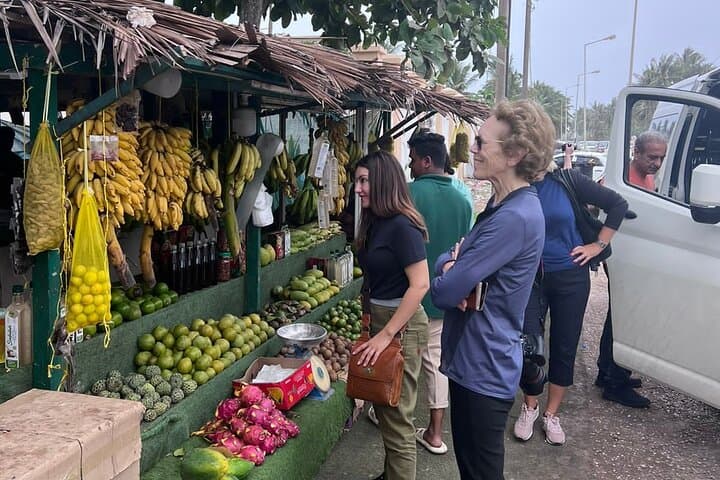
Dhofar’s history is palpable here. Salalah grew wealthy on the frankincense trade, a commodity that drew merchants from the Mediterranean to the Indian Ocean. The city sits on limestone and alluvial soils fed by seasonal runoff, which is why farms of banana, coconut and papaya thrive near the shore.
Culture arrives as halwa on a small plate: saffron, date and nut flavors tied to Omani hospitality. The route finishes at Salalah Grand Mall for modern conveniences—coffee shops, perfumeries and air-conditioned shops that contrast with the souq’s open-air bustle.
Practical guidance: plan mornings or late afternoons to avoid peak heat, and schedule around local prayer times if you want uninterrupted mosque visits. Wear lightweight, modest clothing that covers shoulders and knees for mosque entry; comfortable closed shoes work best for the farm walk. Bring sunscreen, a refillable water bottle and small change for purchases and bargaining in the souq.
This tour balances cultural stops and brief walks, ideal for travelers wanting a compact, sensory introduction to Salalah without deep hiking or long transfers.