THE ADVENTURE COLLECTIVE® · Independent discovery and booking for outdoor travel

Spend a private half-day in Salalah exploring Sultan Qaboos Grand Mosque, the UNESCO-protected Al Balid archaeological park, the frankincense stalls of Luban Market, and local coconut groves. This accessible tour blends cultural history, coastal geology, and hands-on market life with private pickup and bottled water included.
Spend a private half-day in Salalah exploring Sultan Qaboos Grand Mosque, the UNESCO-protected Al Balid archaeological park, the frankincense stalls of Luban Market, and local coconut groves. This accessible tour blends cultural history, coastal geology, and hands-on market life with private pickup and bottled water included.
Morning light cuts across a line of coconut palms as the tour vehicle eases out of Salalah’s center — air cooled by a faint sea breeze and the faint sweetness of frankincense on the market stalls. On a private half-day, visitors move from the monumental quiet of Sultan Qaboos Grand Mosque to the salt-skinned stones of Khawr Al Balid, and finally into the busy stalls of Luban (Al Hafah) market and the plantation groves beyond.
Verified experiences and guided adventures in the surrounding area.
Operated by Discover Mazoon Tours Oman · Salalah, Dhofar
Morning light cuts across a line of coconut palms as the tour vehicle eases out of Salalah’s center — air cooled by a faint sea breeze and the faint sweetness of frankincense on the market stalls. On a private half-day, visitors move from the monumental quiet of Sultan Qaboos Grand Mosque to the salt-skinned stones of Khawr Al Balid, and finally into the busy stalls of Luban (Al Hafah) market and the plantation groves beyond.
Salalah sits on the southern coast of Oman, where the Dhofar plain once anchored the ancient frankincense trade routes that linked Arabia to the Mediterranean and India. The Al Balid archaeological park is a UNESCO-recognized site that preserves ruins and a natural lagoon once used as a harbor; the limestone and coastal terraces here record a shoreline shaped by monsoon winds and ancient sea lines. Culturally, the city blends Omani Islamic traditions with coastal trading history — Hafah market still sells frankincense, woven textiles, and local silverwork.
Practical guidance: the route is low-impact and mostly vehicle-based with short walks on firm paths; dress modestly at religious sites and remove shoes where required. Expect 4–5 hours with private pickup and bottled water included. Photography is welcomed at public sites but follow signage at mosque hours and women's hair-covering guidelines for interior access. Peak green season (Khareef) runs June–September and can change road conditions; mornings are the calmest time to move between stops. Comfortable shoes, sun protection, and a light layer for mosque interiors will make the half-day feel smooth and focused — enough time to get a grounded introduction to Salalah’s history and living traditions.
easy.
4–5 hours.
Suitable for most fitness levels; involves short, mostly flat walks and time in a vehicle.
Yes — non-Muslims can visit Saturday to Thursday from 8:00–11:00 a.m.; modest dress and hair covering for women are required and photography rules must be observed.
Al Balid archaeological park admission is included in this tour; specific site policies may change, but the tour notes admissions where applicable.
The tour includes private pickup and drop-off from Salalah-area hotels, ports, and the airport; times are arranged at booking.
Yes — the tour is rated easy and infant seats are available, but it is not stroller-accessible on all walking sections.
Salalah prospered as a key node in the frankincense trade for millennia; Al Balid preserves port structures and ruins tied to that commerce.
Khawr Al Balid is protected as a UNESCO site; visitors should avoid collecting frankincense or disturbing shoreline habitats, and respect seasonal restrictions during monsoon months.
Discover Mazoon Tours Oman operates guided outdoor trips and adventures with an emphasis on safety, stewardship, and memorable experiences.
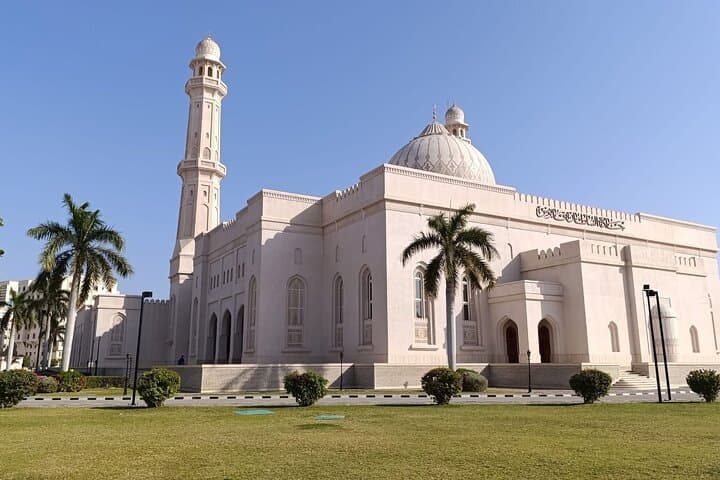
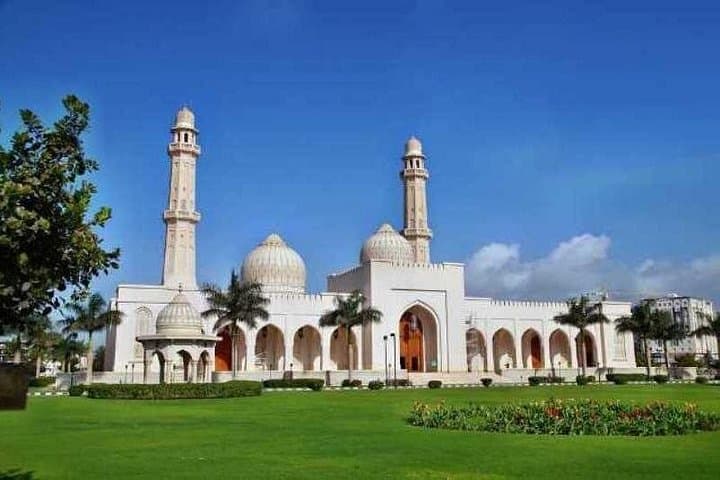
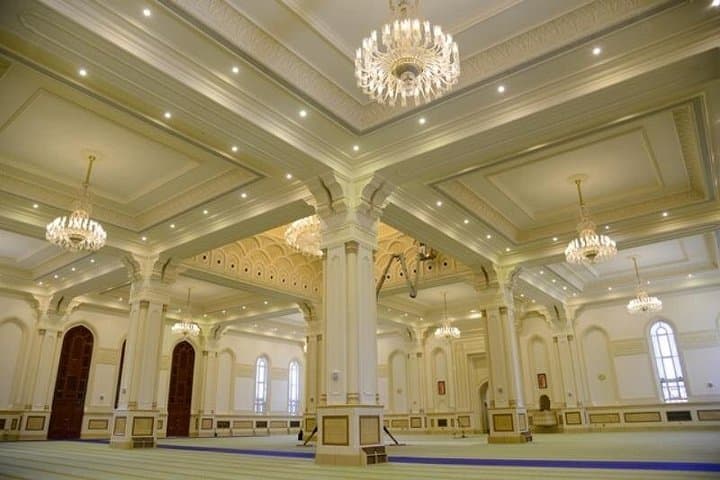
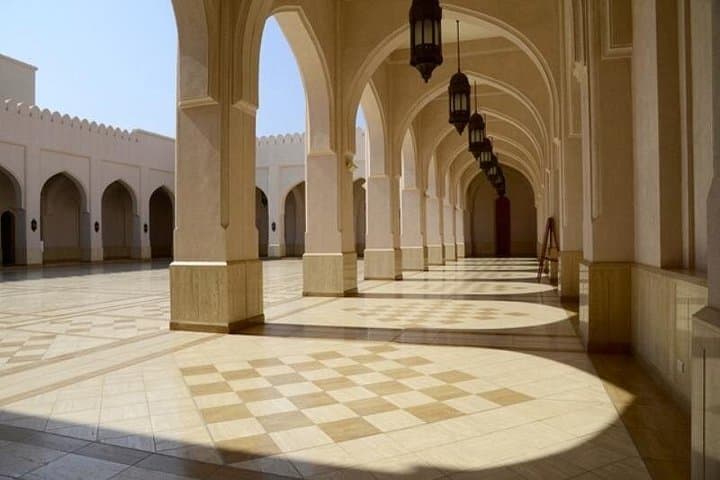
Morning light cuts across a line of coconut palms as the tour vehicle eases out of Salalah’s center — air cooled by a faint sea breeze and the faint sweetness of frankincense on the market stalls. On a private half-day, visitors move from the monumental quiet of Sultan Qaboos Grand Mosque to the salt-skinned stones of Khawr Al Balid, and finally into the busy stalls of Luban (Al Hafah) market and the plantation groves beyond.
Morning light cuts across a line of coconut palms as the tour vehicle eases out of Salalah’s center — air cooled by a faint sea breeze and the faint sweetness of frankincense on the market stalls. On a private half-day, visitors move from the monumental quiet of Sultan Qaboos Grand Mosque to the salt-skinned stones of Khawr Al Balid, and finally into the busy stalls of Luban (Al Hafah) market and the plantation groves beyond.
Salalah sits on the southern coast of Oman, where the Dhofar plain once anchored the ancient frankincense trade routes that linked Arabia to the Mediterranean and India. The Al Balid archaeological park is a UNESCO-recognized site that preserves ruins and a natural lagoon once used as a harbor; the limestone and coastal terraces here record a shoreline shaped by monsoon winds and ancient sea lines. Culturally, the city blends Omani Islamic traditions with coastal trading history — Hafah market still sells frankincense, woven textiles, and local silverwork.
Practical guidance: the route is low-impact and mostly vehicle-based with short walks on firm paths; dress modestly at religious sites and remove shoes where required. Expect 4–5 hours with private pickup and bottled water included. Photography is welcomed at public sites but follow signage at mosque hours and women's hair-covering guidelines for interior access. Peak green season (Khareef) runs June–September and can change road conditions; mornings are the calmest time to move between stops. Comfortable shoes, sun protection, and a light layer for mosque interiors will make the half-day feel smooth and focused — enough time to get a grounded introduction to Salalah’s history and living traditions.