THE ADVENTURE COLLECTIVE® · Independent discovery and booking for outdoor travel

Cover Dhofar’s coast and interior in one efficient day: visit Taqah’s fishing village, the UNESCO ruins of Khor Rori, Mirbat’s mud houses, Ayn Razat springs, and Mughsail’s blowholes. Practical route, short walks and big cultural payoff.
Cover Dhofar’s coast and interior in one efficient day: visit Taqah’s fishing village, the UNESCO ruins of Khor Rori, Mirbat’s mud houses, Ayn Razat springs, and Mughsail’s blowholes. Practical route, short walks and big cultural payoff.
Morning light hits the Dhofar coast and the road out of Salalah feels alive: fishermen mend nets in Taqah while the Gulf breeze pushes salt and frankincense smoke inland.
Verified experiences and guided adventures in the surrounding area.
Operated by Oman Day Tours · Salalah, Dhofar
Morning light hits the Dhofar coast and the road out of Salalah feels alive: fishermen mend nets in Taqah while the Gulf breeze pushes salt and frankincense smoke inland.
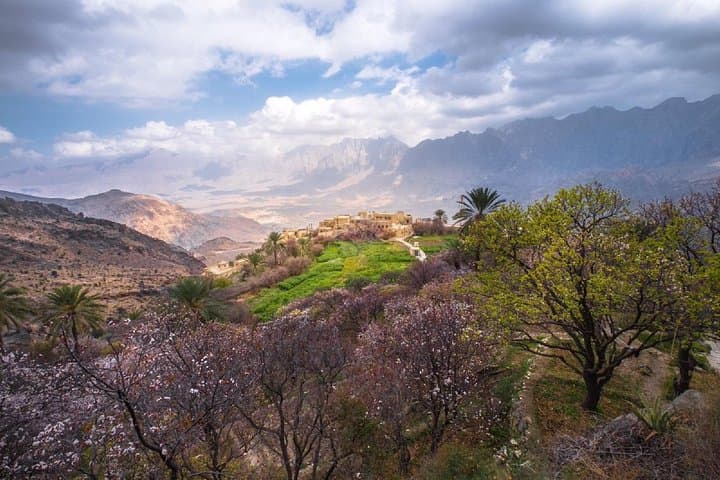
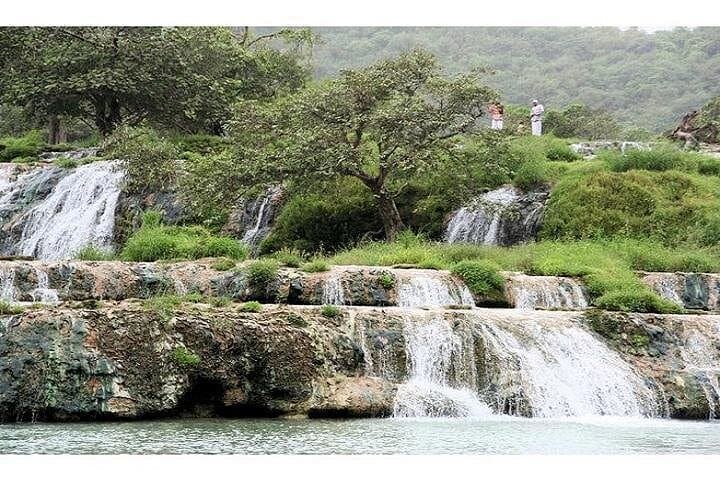
This full-day East & West circuit threads cultural sites and coastal geology — you’ll move from the white-sand beaches at Mughsail to the archaeological ruins of Khor Rori (Sumharam), then into the terraced green of Ayn Razat and the arid, wind-sculpted Qara Mountains. Khor Rori was a trading port on the ancient incense route; its exposed stonework and harbor ruins speak to a time when frankincense caravans linked Arabia to the Mediterranean.
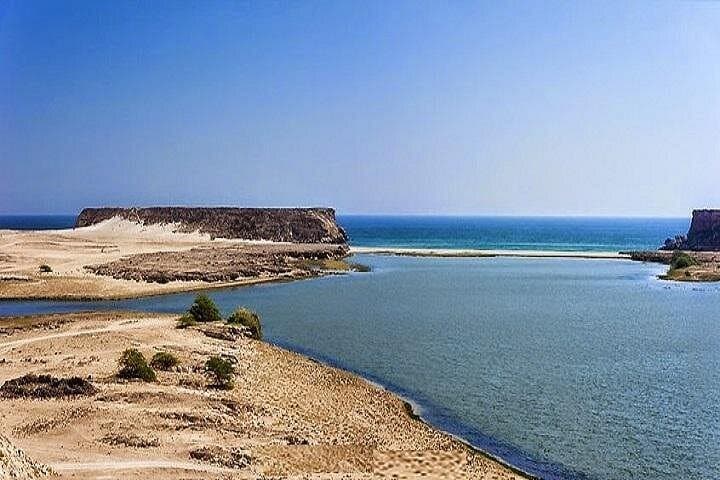
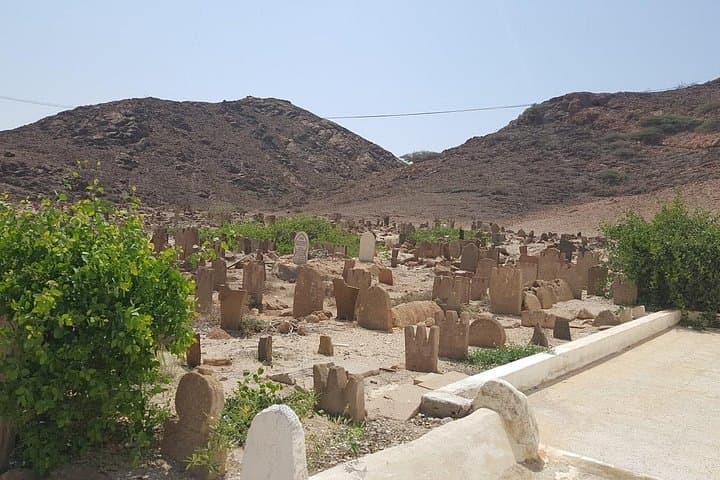
Geologically, the coastline alternates between limestone cliffs, blowholes and sheltered lagoons; inland, wadis carve valleys where frankincense trees cling to steep slopes. Culturally, Dhofar retains distinct Omani traditions — mud-brick houses in Mirbat, the twin-domed Bin Ali Tomb, and villages known for cured sardines and boatbuilding.
Practical guide: plan a 7–8 hour outing with hotel or port pickup in Salalah. Expect mostly vehicle travel mixed with short walks (some over uneven rock at blowholes and Khor Rori). Bring sun protection, a small daypack, and comfortable walking shoes. Check tide times for Mughsail if you want the blowholes at full force; mid-morning to afternoon often gives the best light for photos. Guides typically handle permits and park fees, so travel light and keep your passport handy for shore-based pickups. With straightforward logistics and high cultural payoff, this tour is an efficient way to sample Dhofar’s coastline, archaeology and mountain scenery in a single day.
easy.
7–8 hours.
Light fitness — must be able to walk short uneven sections and climb few steps.
Yes — round-trip private transfer from hotels and port pickup/drop-off is included; cruise passengers should provide docking and re-boarding times at booking.
National park fees and admissions listed in the itinerary (e.g., Khor Rori) are typically included; confirm specifics with the operator if you plan extra stops.
Yes — the tour is labeled physically easy; child rates apply when sharing with two paying adults and infant seats are available, but infants do not receive meals.
Yes — a current valid passport is required on the day of travel, especially for cruise passengers and shore pickup coordination.
This route follows part of the ancient frankincense trade corridor; Sumharam (Khor Rori) was a key Hadramawt port and is a UNESCO-listed archaeological site.
Frankincense trees are ecologically and culturally sensitive; stick to paths and avoid removing resin. During the Khareef (monsoon) season, stick to designated areas to protect fragile grasslands and visitor infrastructure.
Oman Day Tours operates guided outdoor trips and adventures with an emphasis on safety, stewardship, and memorable experiences.
Morning light hits the Dhofar coast and the road out of Salalah feels alive: fishermen mend nets in Taqah while the Gulf breeze pushes salt and frankincense smoke inland.
Morning light hits the Dhofar coast and the road out of Salalah feels alive: fishermen mend nets in Taqah while the Gulf breeze pushes salt and frankincense smoke inland.
This full-day East & West circuit threads cultural sites and coastal geology — you’ll move from the white-sand beaches at Mughsail to the archaeological ruins of Khor Rori (Sumharam), then into the terraced green of Ayn Razat and the arid, wind-sculpted Qara Mountains. Khor Rori was a trading port on the ancient incense route; its exposed stonework and harbor ruins speak to a time when frankincense caravans linked Arabia to the Mediterranean.
Geologically, the coastline alternates between limestone cliffs, blowholes and sheltered lagoons; inland, wadis carve valleys where frankincense trees cling to steep slopes. Culturally, Dhofar retains distinct Omani traditions — mud-brick houses in Mirbat, the twin-domed Bin Ali Tomb, and villages known for cured sardines and boatbuilding.
Practical guide: plan a 7–8 hour outing with hotel or port pickup in Salalah. Expect mostly vehicle travel mixed with short walks (some over uneven rock at blowholes and Khor Rori). Bring sun protection, a small daypack, and comfortable walking shoes. Check tide times for Mughsail if you want the blowholes at full force; mid-morning to afternoon often gives the best light for photos. Guides typically handle permits and park fees, so travel light and keep your passport handy for shore-based pickups. With straightforward logistics and high cultural payoff, this tour is an efficient way to sample Dhofar’s coastline, archaeology and mountain scenery in a single day.