THE ADVENTURE COLLECTIVE® · Independent discovery and booking for outdoor travel

This six-to-eight hour private tour around Salalah pairs coastal drama at Mughsail with inland calm at Wadi Darbat and the ancient ruins of Sumharam. Expect short walks, cultural stops like Taqah Castle, and frankincense-scented valleys.
This six-to-eight hour private tour around Salalah pairs coastal drama at Mughsail with inland calm at Wadi Darbat and the ancient ruins of Sumharam. Expect short walks, cultural stops like Taqah Castle, and frankincense-scented valleys.
You step out of the vehicle where Arabian wind meets the sea—salt on your lips, a cliff-face to your right and goats grazing on a scrubby slope. The road from Salalah threads past low, craggy hills and suddenly opens to white sand and the thunder of surf at Al Mughsail; farther east, the green of Wadi Darbat ripples like an inland sea during the Khareef.
Verified experiences and guided adventures in the surrounding area.
Operated by Salalah Glory Tours · Salalah, Dhofar
You step out of the vehicle where Arabian wind meets the sea—salt on your lips, a cliff-face to your right and goats grazing on a scrubby slope. The road from Salalah threads past low, craggy hills and suddenly opens to white sand and the thunder of surf at Al Mughsail; farther east, the green of Wadi Darbat ripples like an inland sea during the Khareef.
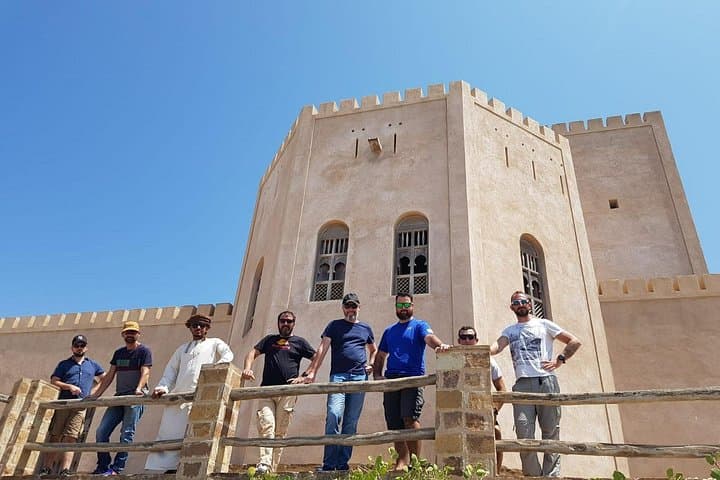
This full-day private circuit stitches together Dhofar’s coastal and inland stories. Sumharam (Khor Rori) preserves the footprint of an incense port that sent frankincense along routes to the Mediterranean and India; nearby frankincense trees still scent the valleys. Taqah offers 19th-century castle architecture and compact Dhofari houses that speak to the Wali’s former presence. Geologically, the coast alternates limestone cliffs and long sandy strands—where waves have punched dramatic blowholes at Mughsail—and inland wadis cut terraces and pocketed springs that sustain camels and herds.
Culture here is pragmatic and coastal: fishermen villages, caravan-era trade memory, and a landscape used to seasonal moods. During Khareef (monsoon months) hills green and springs swell; off-season the region is stark and sun-dry, but quieter.
Practical guidance: the private tour runs 6–8 hours with short, easy walks (Wadi bed, castle and ruins). Entrance to Taqah Castle and Sumharam is typically 3 OMR each—bring cash. Sun protection, sturdy shoes for uneven wadi beds, and a refillable water bottle are essentials. Expect photo stops at viewpoints and brief hikes up to small caves near Wadi Darbat; plan your day for cooler morning or late-afternoon light to avoid the harsh midday sun.
easy.
6–8 hours.
Suitable for most fitness levels; expect short, gentle walks and standing at viewpoints.
No; visitors usually pay an entrance fee (around 3 OMR) for Taqah Castle and Sumharam—bring cash.
Khareef is the monsoon-like season (roughly June–September) when the Dhofar hills green and waterfalls run; roads are typically still open but expect more visitors at scenic spots.
Yes; the itinerary involves short, easy walks suitable for families, though some sites have uneven ground not ideal for strollers.
Private tours commonly include hotel or port pickup in Salalah—confirm your pickup point when booking and provide arrival details.
Sumharam (Khor Rori) was a key port on the ancient frankincense trade route; frankincense remains a cultural and ecological signature of Dhofar.
Frankincense trees and fragile wadi ecosystems are sensitive to over-visitation; stick to paths, avoid collecting resin, and respect local grazing areas.
Salalah Glory Tours operates guided outdoor trips and adventures with an emphasis on safety, stewardship, and memorable experiences.
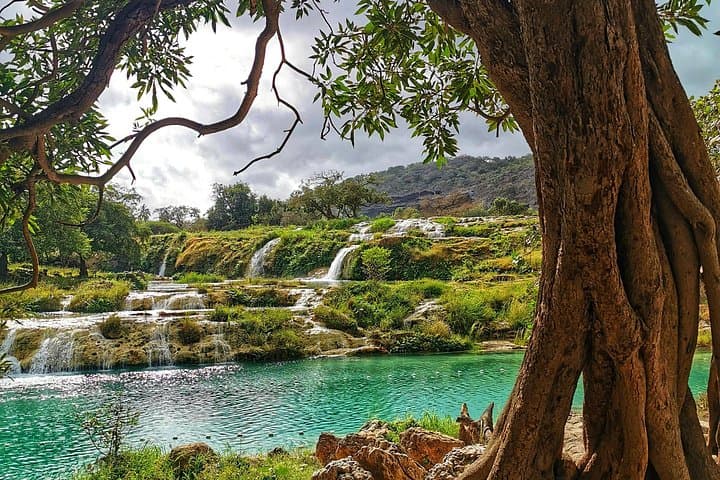
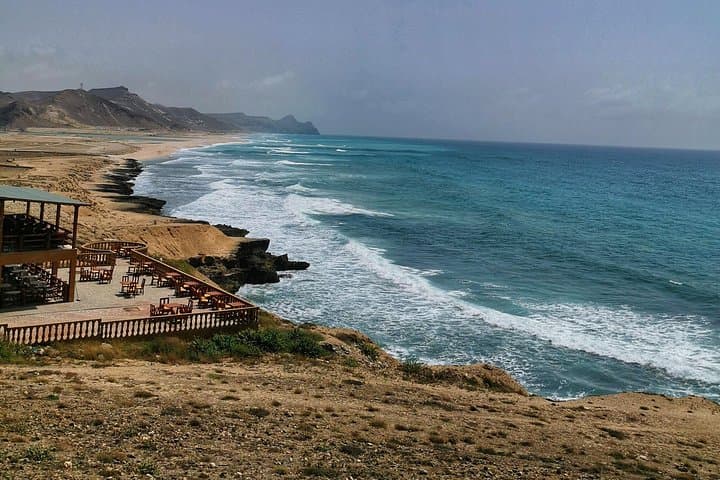
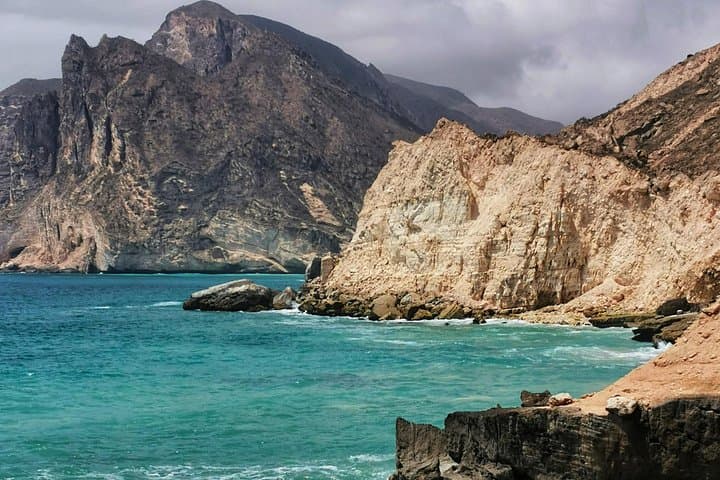
You step out of the vehicle where Arabian wind meets the sea—salt on your lips, a cliff-face to your right and goats grazing on a scrubby slope. The road from Salalah threads past low, craggy hills and suddenly opens to white sand and the thunder of surf at Al Mughsail; farther east, the green of Wadi Darbat ripples like an inland sea during the Khareef.
You step out of the vehicle where Arabian wind meets the sea—salt on your lips, a cliff-face to your right and goats grazing on a scrubby slope. The road from Salalah threads past low, craggy hills and suddenly opens to white sand and the thunder of surf at Al Mughsail; farther east, the green of Wadi Darbat ripples like an inland sea during the Khareef.
This full-day private circuit stitches together Dhofar’s coastal and inland stories. Sumharam (Khor Rori) preserves the footprint of an incense port that sent frankincense along routes to the Mediterranean and India; nearby frankincense trees still scent the valleys. Taqah offers 19th-century castle architecture and compact Dhofari houses that speak to the Wali’s former presence. Geologically, the coast alternates limestone cliffs and long sandy strands—where waves have punched dramatic blowholes at Mughsail—and inland wadis cut terraces and pocketed springs that sustain camels and herds.
Culture here is pragmatic and coastal: fishermen villages, caravan-era trade memory, and a landscape used to seasonal moods. During Khareef (monsoon months) hills green and springs swell; off-season the region is stark and sun-dry, but quieter.
Practical guidance: the private tour runs 6–8 hours with short, easy walks (Wadi bed, castle and ruins). Entrance to Taqah Castle and Sumharam is typically 3 OMR each—bring cash. Sun protection, sturdy shoes for uneven wadi beds, and a refillable water bottle are essentials. Expect photo stops at viewpoints and brief hikes up to small caves near Wadi Darbat; plan your day for cooler morning or late-afternoon light to avoid the harsh midday sun.