THE ADVENTURE COLLECTIVE® · Independent discovery and booking for outdoor travel

Explore Cairo’s hilltop Citadel and the bustling lanes of Khan el-Khalili on a private 5-hour tour. Architectural highlights, museum stops and lively market culture combine for a practical, walkable introduction to medieval and Ottoman Cairo.
Explore Cairo’s hilltop Citadel and the bustling lanes of Khan el-Khalili on a private 5-hour tour. Architectural highlights, museum stops and lively market culture combine for a practical, walkable introduction to medieval and Ottoman Cairo.
You arrive into a gust of warm air and the city’s layered noise: vendors calling from Khan el-Khalili, honking in the distance, the Citadel sitting above like a fortified page of history. The tour moves at a human pace — through high arches, tiled courtyards and the alabaster glow of Muhammad Ali’s mosque — the stone surfaces seeming to hold the heat and the stories of centuries.
Verified experiences and guided adventures in the surrounding area.
Operated by ToBadaa · Cairo, Cairo Governorate
You arrive into a gust of warm air and the city’s layered noise: vendors calling from Khan el-Khalili, honking in the distance, the Citadel sitting above like a fortified page of history. The tour moves at a human pace — through high arches, tiled courtyards and the alabaster glow of Muhammad Ali’s mosque — the stone surfaces seeming to hold the heat and the stories of centuries.
Salah al-Din established the Citadel in the 12th century as a military stronghold; later Ottoman and Mamluk rulers added mosques, palaces and museums. Nearby Khan el-Khalili began as a 14th-century caravanserai and evolved into Cairo’s merchant quarter; its alleyways still trade in metalwork, textiles and spices. Geologically, the citadel sits on a limestone ridge, offering views over greater Cairo and occasional glimpses of the Nile threading the metropolis.
Culturally the route is intimate: royal mosques, the Al-Gawhara Palace Museum and small artisan stalls offer both grand architecture and street-level craft. Guides typically weave architecture, battle history and the social life of market stalls into five hours of walking and short transfers.
Practical guidance: wear sturdy, closed shoes for uneven stone and courtyards; bring sun protection and a refillable water bottle; expect several sets of steps and some standing. Entrance fees for museums may be separate from the tour price; confirm what’s included when booking.
This is a day that balances big-picture history with touchable details — carved minarets that demand a closer look and market corners that tug you into present-day Cairo life.
easy.
4–5 hours.
Suitable for most fitness levels; requires walking on uneven stone and climbing steps.
Not always; the itinerary notes admission as not applicable, so verify which entrances are included when booking and carry some local currency for tickets.
Yes — the tour advertises private pickup and drop-off with an air-conditioned car; confirm your exact pickup point when booking.
The supplier lists wheelchair and stroller accessibility for transport and many surfaces, but some museum areas and mosques have steps—check specifics for full accessibility needs.
Infants can join but must sit on laps; the operator notes the experience is physically easy but also not recommended for travelers with spinal injuries or those who are pregnant.
The Citadel was founded by Salah al-Din (Saladin) in the 12th century; Khan el-Khalili grew from a Mamluk-era market into Cairo’s famed souk by the 14th century.
Support local artisans and avoid buying untreated antiques; reduce single-use plastics and stick to marked paths to protect historic masonry and urban green patches.
ToBadaa operates guided outdoor trips and adventures with an emphasis on safety, stewardship, and memorable experiences.
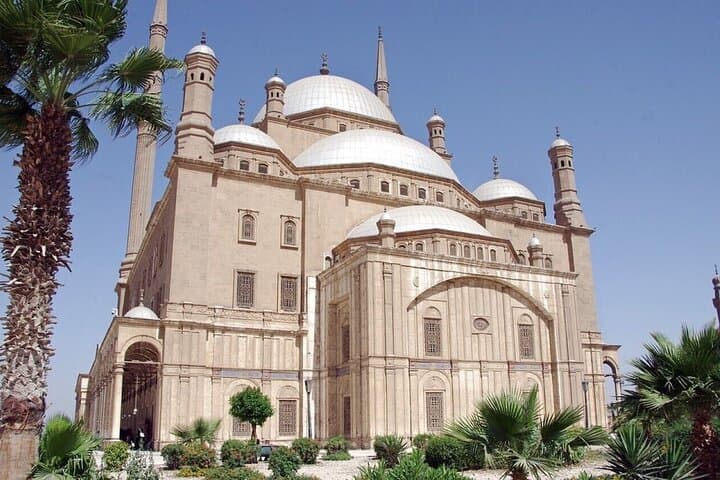
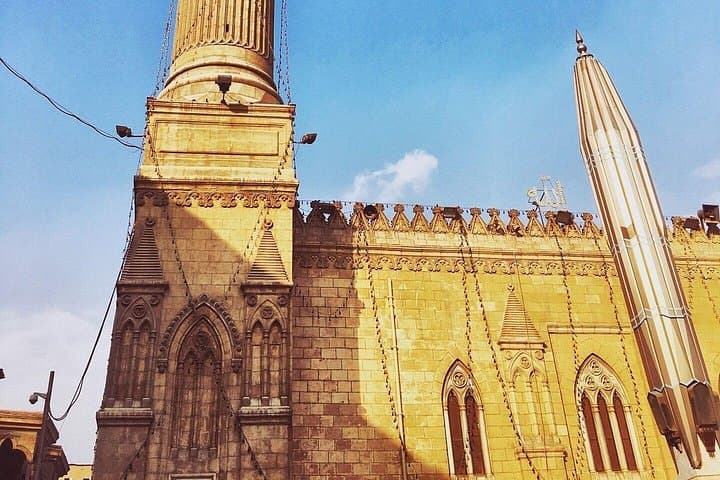
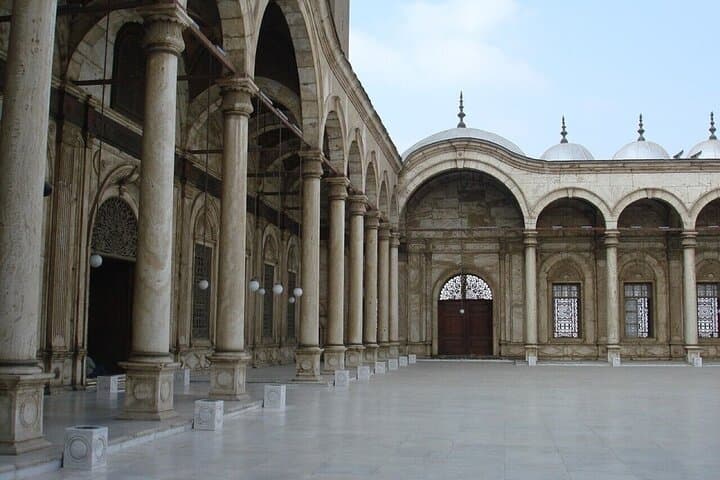
You arrive into a gust of warm air and the city’s layered noise: vendors calling from Khan el-Khalili, honking in the distance, the Citadel sitting above like a fortified page of history. The tour moves at a human pace — through high arches, tiled courtyards and the alabaster glow of Muhammad Ali’s mosque — the stone surfaces seeming to hold the heat and the stories of centuries.
You arrive into a gust of warm air and the city’s layered noise: vendors calling from Khan el-Khalili, honking in the distance, the Citadel sitting above like a fortified page of history. The tour moves at a human pace — through high arches, tiled courtyards and the alabaster glow of Muhammad Ali’s mosque — the stone surfaces seeming to hold the heat and the stories of centuries.
Salah al-Din established the Citadel in the 12th century as a military stronghold; later Ottoman and Mamluk rulers added mosques, palaces and museums. Nearby Khan el-Khalili began as a 14th-century caravanserai and evolved into Cairo’s merchant quarter; its alleyways still trade in metalwork, textiles and spices. Geologically, the citadel sits on a limestone ridge, offering views over greater Cairo and occasional glimpses of the Nile threading the metropolis.
Culturally the route is intimate: royal mosques, the Al-Gawhara Palace Museum and small artisan stalls offer both grand architecture and street-level craft. Guides typically weave architecture, battle history and the social life of market stalls into five hours of walking and short transfers.
Practical guidance: wear sturdy, closed shoes for uneven stone and courtyards; bring sun protection and a refillable water bottle; expect several sets of steps and some standing. Entrance fees for museums may be separate from the tour price; confirm what’s included when booking.
This is a day that balances big-picture history with touchable details — carved minarets that demand a closer look and market corners that tug you into present-day Cairo life.