THE ADVENTURE COLLECTIVE® · Independent discovery and booking for outdoor travel

Race across wind-swept dunes and salt flats on a guided quad or buggy tour of Sal Island. This 2–3 hour off-road route mixes geology, coastal views and local culture for a compact, high-energy introduction to the island.
Race across wind-swept dunes and salt flats on a guided quad or buggy tour of Sal Island. This 2–3 hour off-road route mixes geology, coastal views and local culture for a compact, high-energy introduction to the island.
The engine kicks and the Atlantic wind answers, throwing salt-scented air across the open track as your buggy climbs a low dune. Ahead, a wide sweep of pale sand gives way to black volcanic rock and glittering salt pans; each bend delivers a new, plainspoken view of Sal Island’s contrasts.
Verified experiences and guided adventures in the surrounding area.
Operated by Rúben · Santa Maria, Sal
The engine kicks and the Atlantic wind answers, throwing salt-scented air across the open track as your buggy climbs a low dune. Ahead, a wide sweep of pale sand gives way to black volcanic rock and glittering salt pans; each bend delivers a new, plainspoken view of Sal Island’s contrasts.
This coastline was shaped by volcanic uplift and coastal erosion; salt extraction at Pedra de Lume has been a local livelihood since the 18th century, and small fishing communities still thread the south coast. Culture here is low-key and Creole-flavored — expect simple beach cafés, Portuguese-influenced architecture, and friendly guides fluent in English, Portuguese, Spanish and French.
On the trail, geology reads like a field guide: basalt outcrops, wind-scoured dunes, and shallow lagoons that host migratory birds. The tour moves across hard-packed paths and softer sand, stopping at coastal lookouts and salt flats where the light can be blindingly bright.
Practical: trips run about 2–3 hours with a safety briefing and helmet provided. Drivers should have moderate fitness and be ready for jolts, sand drifts and sudden gusts — the wind seems to shove you around like a playful current. Wear closed-toe shoes, sunscreen, and layered clothing; bring at least one liter of water. Stay on marked tracks to protect rare nesting beaches and fragile vegetation. Guides generally handle navigation; follow instructions during dune crossings.
For travelers wanting a short, high-energy way to see inland salt craters, shoreline vistas and hidden coves, a quad tour on Sal is direct, immediate and efficient — a fast way to feel the island’s raw edges without losing sight of its cultural and geological stories.
moderate.
2–3 hours.
Moderate fitness; able to handle brief physical jostling, short climbs on sand, and follow safety briefings.
Basic familiarity with manual vehicles helps, but guides give a briefing; novices can drive smaller ATVs while less confident riders can share with an experienced driver.
Yes—helmets with visors are included for all participants; you may bring your own if you prefer.
Operators typically require participants to be in moderate physical condition and set a minimum driving age—check booking details for age bands and passenger policies.
Tours can be canceled for safety reasons such as high winds or rain; operators usually offer full refunds if canceled at least 24 hours prior.
Sal grew around salt production and later tourism; Pedra de Lume’s salt pans date back centuries and were important under Portuguese colonial trade.
Off-road vehicles can damage dunes and nesting habitats—stay on designated paths, avoid driving on dune crests, and support operators who practice low-impact routing.
Rúben operates guided outdoor trips and adventures with an emphasis on safety, stewardship, and memorable experiences.


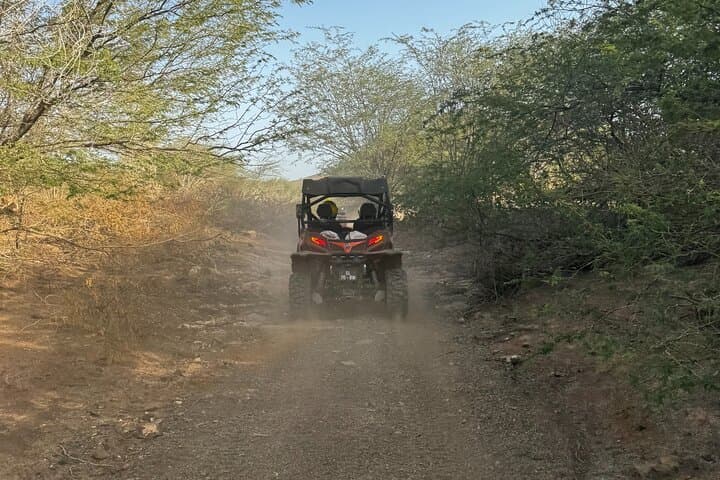
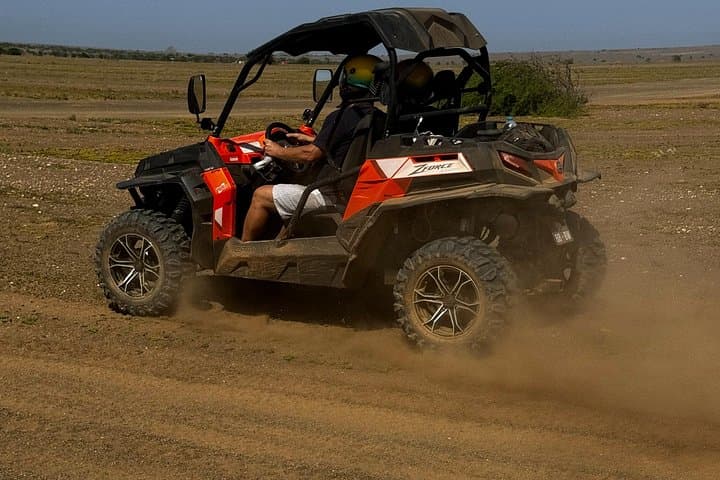
The engine kicks and the Atlantic wind answers, throwing salt-scented air across the open track as your buggy climbs a low dune. Ahead, a wide sweep of pale sand gives way to black volcanic rock and glittering salt pans; each bend delivers a new, plainspoken view of Sal Island’s contrasts.
The engine kicks and the Atlantic wind answers, throwing salt-scented air across the open track as your buggy climbs a low dune. Ahead, a wide sweep of pale sand gives way to black volcanic rock and glittering salt pans; each bend delivers a new, plainspoken view of Sal Island’s contrasts.
This coastline was shaped by volcanic uplift and coastal erosion; salt extraction at Pedra de Lume has been a local livelihood since the 18th century, and small fishing communities still thread the south coast. Culture here is low-key and Creole-flavored — expect simple beach cafés, Portuguese-influenced architecture, and friendly guides fluent in English, Portuguese, Spanish and French.
On the trail, geology reads like a field guide: basalt outcrops, wind-scoured dunes, and shallow lagoons that host migratory birds. The tour moves across hard-packed paths and softer sand, stopping at coastal lookouts and salt flats where the light can be blindingly bright.
Practical: trips run about 2–3 hours with a safety briefing and helmet provided. Drivers should have moderate fitness and be ready for jolts, sand drifts and sudden gusts — the wind seems to shove you around like a playful current. Wear closed-toe shoes, sunscreen, and layered clothing; bring at least one liter of water. Stay on marked tracks to protect rare nesting beaches and fragile vegetation. Guides generally handle navigation; follow instructions during dune crossings.
For travelers wanting a short, high-energy way to see inland salt craters, shoreline vistas and hidden coves, a quad tour on Sal is direct, immediate and efficient — a fast way to feel the island’s raw edges without losing sight of its cultural and geological stories.