THE ADVENTURE COLLECTIVE® · Independent discovery and booking for outdoor travel

Spend a day with local guides exploring Sal’s dramatic coast: wind-swept dunes, the Blue Eye at Buracona, salt pans in an extinct crater and coral-rich bays for snorkeling. This private, accessible tour mixes geology, culture and marine life with practical stops for views and a local lunch.
Spend a day with local guides exploring Sal’s dramatic coast: wind-swept dunes, the Blue Eye at Buracona, salt pans in an extinct crater and coral-rich bays for snorkeling. This private, accessible tour mixes geology, culture and marine life with practical stops for views and a local lunch.
You step out of the air-conditioned van and the island grabs you: wind hard enough to braid your hair, white dunes rolling into dark volcanic rock, and the Atlantic hammering the shore. The driver eases toward Ponta Preta and the first view is theatrical—black lava fingers thrusting into surf that sculpts huge, surfable waves.
Verified experiences and guided adventures in the surrounding area.
Operated by Spot Travel Tours · Espargos, Sal
You step out of the air-conditioned van and the island grabs you: wind hard enough to braid your hair, white dunes rolling into dark volcanic rock, and the Atlantic hammering the shore. The driver eases toward Ponta Preta and the first view is theatrical—black lava fingers thrusting into surf that sculpts huge, surfable waves.
Sal’s landscape is volcanic and surprisingly young: the island rose from eruptions and was later shaped by winds and salt. Pedra de Lume’s salt pans sit inside an extinct crater where centuries of salt harvesting fed local trade and still float visitors in buoyant therapeutic water. Palmeira remains a working fishing port, and small villages like Murdeira give a clearer look at daily life away from Santa Maria’s resorts.
Geology here explains the contrast—wind-blown sand over basalt flows—and culture explains the hospitality: local guides point out mirages at Terra Boa, belvederes over Espargos, and where lemon sharks sometimes cruise shallow bays.
Practicalities: a full-day private tour runs about seven hours and includes snorkeling equipment; lunch and drinks are usually not included. Expect short walks on uneven lava and sandy tracks; wear sturdy water shoes and reef-safe sunscreen. Blue Eye (Buracona) is best viewed mid-morning when the sun angles into the cave—roughly 10:00 a.m. to 1:00 p.m. Bring cash for small purchases, a light wind layer, and a dry bag for phones. The route is largely accessible by vehicle but includes rocky steps at some viewpoints, so plan accordingly.
easy.
7 hours.
Suitable for most fitness levels; expect short walks on uneven rock and sand and brief standing at viewpoints.
Yes — the tour provides private, air-conditioned transportation for the full-day itinerary.
Yes — snorkeling equipment is included and guides choose sheltered bays; beginners should stay close to guides and use flotation if unsure.
No — lunch and drinks are generally not included; you’ll stop in Espargos where you can buy a local meal or pizza.
You may spot lemon sharks in shallow bays like Baia de Parda; they are generally non-aggressive but keep to guide instructions and avoid entering water if advised.
Salt extraction from the Pedra de Lume crater shaped Sal’s economy for centuries; the island later grew as a stop in Atlantic shipping and fishing networks.
Coral reefs around Sal are sensitive; use reef-safe sunscreen, avoid touching coral or feeding wildlife, and respect local fishing zones to reduce impact.
Spot Travel Tours operates guided outdoor trips and adventures with an emphasis on safety, stewardship, and memorable experiences.
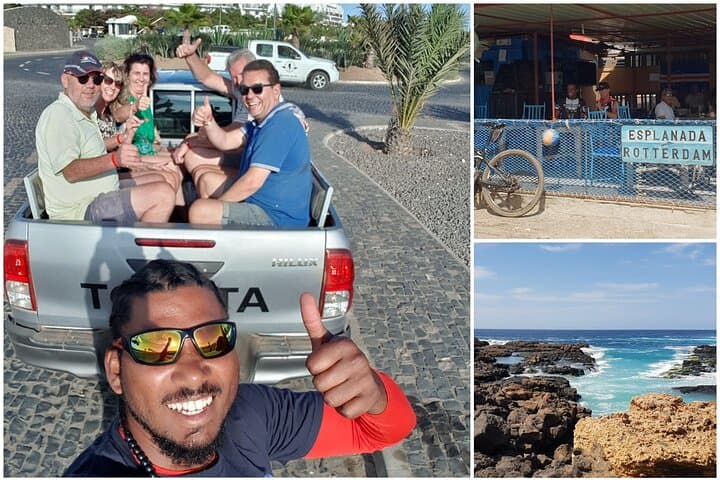
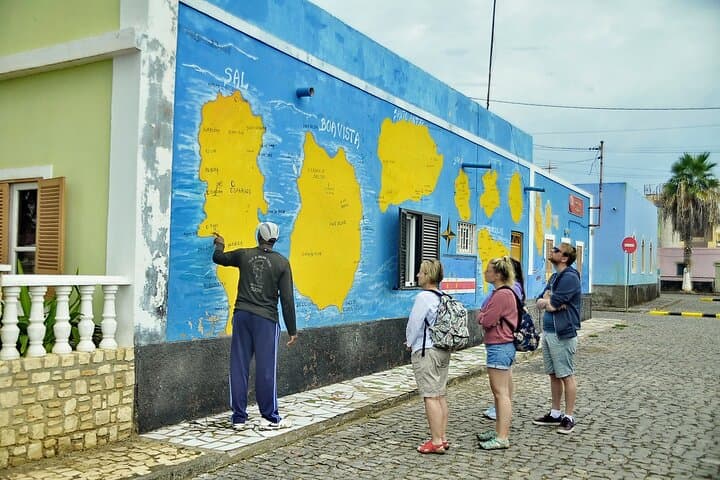
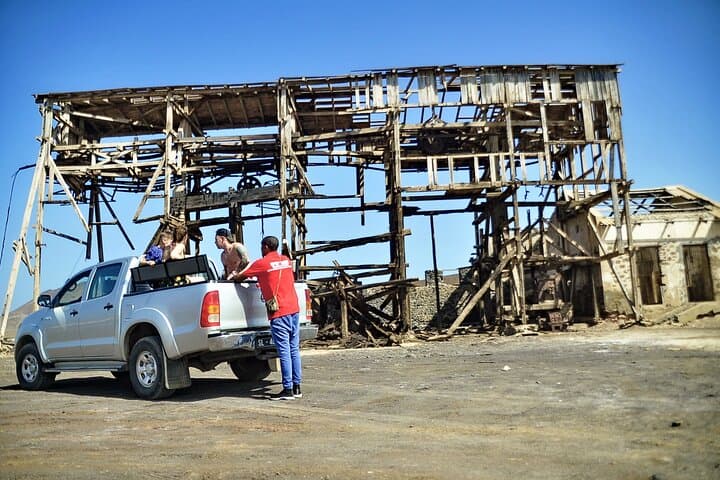
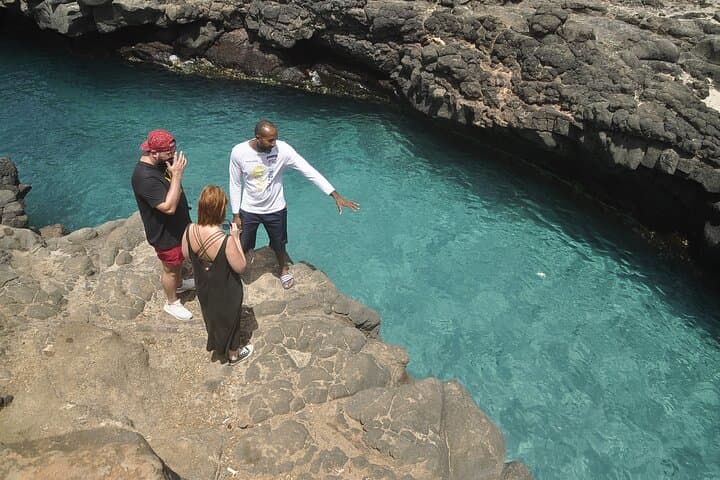
You step out of the air-conditioned van and the island grabs you: wind hard enough to braid your hair, white dunes rolling into dark volcanic rock, and the Atlantic hammering the shore. The driver eases toward Ponta Preta and the first view is theatrical—black lava fingers thrusting into surf that sculpts huge, surfable waves.
You step out of the air-conditioned van and the island grabs you: wind hard enough to braid your hair, white dunes rolling into dark volcanic rock, and the Atlantic hammering the shore. The driver eases toward Ponta Preta and the first view is theatrical—black lava fingers thrusting into surf that sculpts huge, surfable waves.
Sal’s landscape is volcanic and surprisingly young: the island rose from eruptions and was later shaped by winds and salt. Pedra de Lume’s salt pans sit inside an extinct crater where centuries of salt harvesting fed local trade and still float visitors in buoyant therapeutic water. Palmeira remains a working fishing port, and small villages like Murdeira give a clearer look at daily life away from Santa Maria’s resorts.
Geology here explains the contrast—wind-blown sand over basalt flows—and culture explains the hospitality: local guides point out mirages at Terra Boa, belvederes over Espargos, and where lemon sharks sometimes cruise shallow bays.
Practicalities: a full-day private tour runs about seven hours and includes snorkeling equipment; lunch and drinks are usually not included. Expect short walks on uneven lava and sandy tracks; wear sturdy water shoes and reef-safe sunscreen. Blue Eye (Buracona) is best viewed mid-morning when the sun angles into the cave—roughly 10:00 a.m. to 1:00 p.m. Bring cash for small purchases, a light wind layer, and a dry bag for phones. The route is largely accessible by vehicle but includes rocky steps at some viewpoints, so plan accordingly.