THE ADVENTURE COLLECTIVE® · Independent discovery and booking for outdoor travel

Combine a short guided walk across Sakurajima’s volcanic slopes with a hands‑on camellia oil extraction workshop. Learn volcanic history, see vegetation reclaim lava, and take home the oil you press yourself.
Combine a short guided walk across Sakurajima’s volcanic slopes with a hands‑on camellia oil extraction workshop. Learn volcanic history, see vegetation reclaim lava, and take home the oil you press yourself.
A low, warm wind carries micro‑grit of volcanic ash as the group steps from the visitor center toward Sakurajima’s black slopes. Guides point to fresh lichenpatches and young pines reclaiming lava, and the island—no longer an island since the 1914 eruption fused it to the Osumi Peninsula—looms like a living map of geological time.
Verified experiences and guided adventures in the surrounding area.
Operated by Volcano Life Journey · Kagoshima, Kagoshima Prefecture
A low, warm wind carries micro‑grit of volcanic ash as the group steps from the visitor center toward Sakurajima’s black slopes. Guides point to fresh lichenpatches and young pines reclaiming lava, and the island—no longer an island since the 1914 eruption fused it to the Osumi Peninsula—looms like a living map of geological time.
Sakurajima’s story is plain in the rock: layers of scoria, hardened lava flows and tephra mark frequent eruptions over centuries. Local culture has adapted; camellia shrubs thrive in the mineral‑rich soils and have become a practical crop and cultural product. The half‑day program pairs a 30‑minute interpretive talk on the volcano’s activity and landscape evolution with a hands‑on camellia oil extraction session at the visitor center.
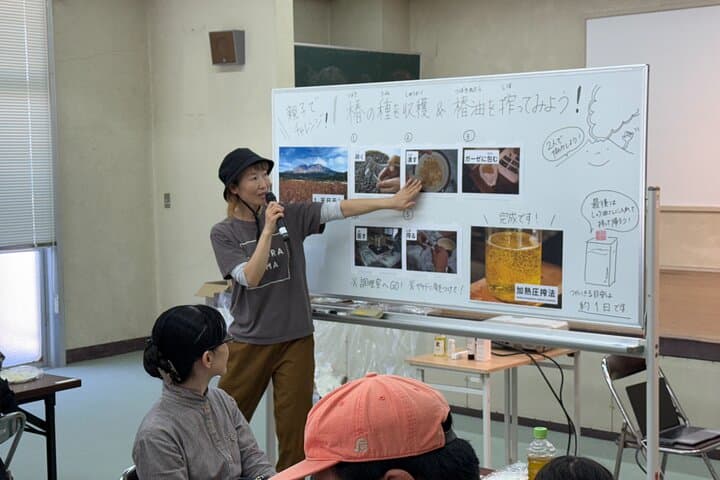
Participants grind, steam and press about 40 grams of seeds to yield roughly 10 milliliters of amber oil to take home—an immediate, tactile connection to the island’s agriculture. Guides explain ash mitigation, evacuation routes and how the community lives with a temperamental neighbor.
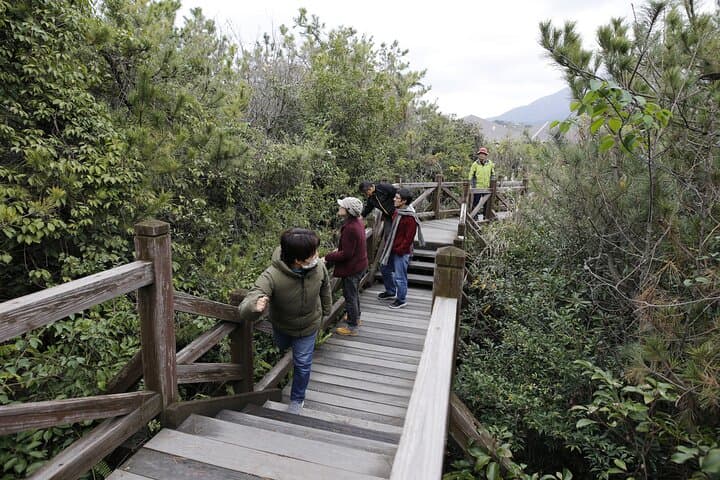
Practical guidance: expect easy walking on paved or well‑graded paths; wear sturdy shoes and a lightweight rain or ash jacket. Bring water and sun protection—the southern exposure is strong—plus a mask if wind kicks up ash. The workshop lasts about an hour and is suitable for most ages (children from six can join). Reservations are required at least seven days ahead, groups are small, and check ferry schedules if arriving from Kagoshima city. This is a compact, sensory way to experience volcanic terrain and a local craft without extensive hiking, but always heed guide instructions when vents are active.
easy.
2 hours.
Suitable for most fitness levels; minimal walking on paved or compacted surfaces.
From about 40 grams of seeds you can expect roughly 10 milliliters of oil to take home—enough to appreciate the color, fragrance and texture.
The walk is classified as easy and suitable for children aged six and up; however, those with serious mobility or spinal issues should check with staff in advance.
Organizers monitor activity and may cancel or alter the route; follow guide instructions—refund and cancellation policies apply for changes linked to safety.
Regular ferries connect Kagoshima Port to Sakurajima; allow time for the short ferry crossing and check schedules when booking.
Sakurajima was an island until the catastrophic 1914 eruption’s lava flow linked it to the Osumi Peninsula; the event reshaped local settlement and land use.
Volcanic vegetation is fragile—stick to paths, avoid collecting geological samples, and support local producers by buying sustainably made camellia oil.
Volcano Life Journey operates guided outdoor trips and adventures with an emphasis on safety, stewardship, and memorable experiences.
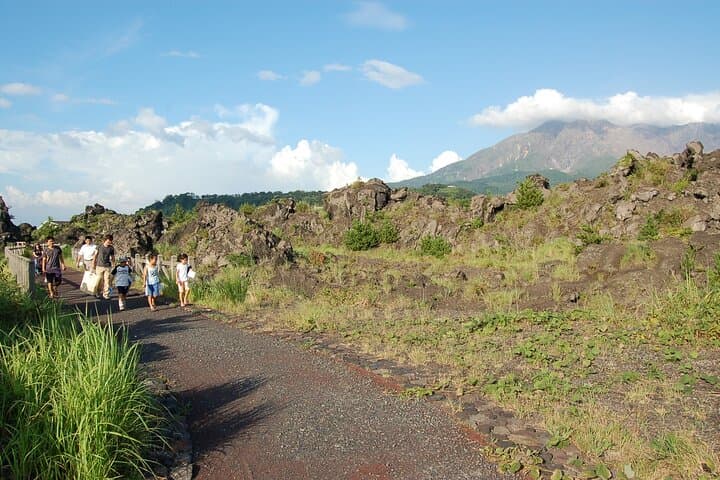
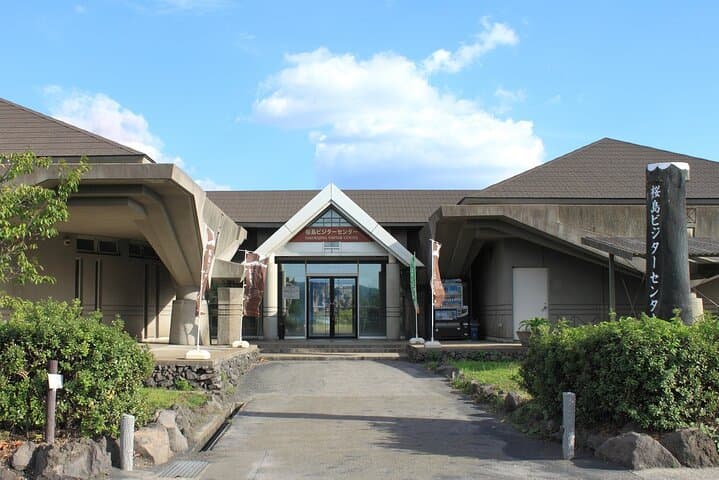
A low, warm wind carries micro‑grit of volcanic ash as the group steps from the visitor center toward Sakurajima’s black slopes. Guides point to fresh lichenpatches and young pines reclaiming lava, and the island—no longer an island since the 1914 eruption fused it to the Osumi Peninsula—looms like a living map of geological time.
A low, warm wind carries micro‑grit of volcanic ash as the group steps from the visitor center toward Sakurajima’s black slopes. Guides point to fresh lichenpatches and young pines reclaiming lava, and the island—no longer an island since the 1914 eruption fused it to the Osumi Peninsula—looms like a living map of geological time.
Sakurajima’s story is plain in the rock: layers of scoria, hardened lava flows and tephra mark frequent eruptions over centuries. Local culture has adapted; camellia shrubs thrive in the mineral‑rich soils and have become a practical crop and cultural product. The half‑day program pairs a 30‑minute interpretive talk on the volcano’s activity and landscape evolution with a hands‑on camellia oil extraction session at the visitor center.
Participants grind, steam and press about 40 grams of seeds to yield roughly 10 milliliters of amber oil to take home—an immediate, tactile connection to the island’s agriculture. Guides explain ash mitigation, evacuation routes and how the community lives with a temperamental neighbor.
Practical guidance: expect easy walking on paved or well‑graded paths; wear sturdy shoes and a lightweight rain or ash jacket. Bring water and sun protection—the southern exposure is strong—plus a mask if wind kicks up ash. The workshop lasts about an hour and is suitable for most ages (children from six can join). Reservations are required at least seven days ahead, groups are small, and check ferry schedules if arriving from Kagoshima city. This is a compact, sensory way to experience volcanic terrain and a local craft without extensive hiking, but always heed guide instructions when vents are active.