THE ADVENTURE COLLECTIVE® · Independent discovery and booking for outdoor travel

Cycle the slopes and shorelines of Sakurajima to see volcanic farms, harvest seasonal daikon and satsuma mandarins, and learn how life adapts to one of Japan’s most active volcanoes. A small-group guided ride blends easy climbing with hands-on farm visits.
Cycle the slopes and shorelines of Sakurajima to see volcanic farms, harvest seasonal daikon and satsuma mandarins, and learn how life adapts to one of Japan’s most active volcanoes. A small-group guided ride blends easy climbing with hands-on farm visits.
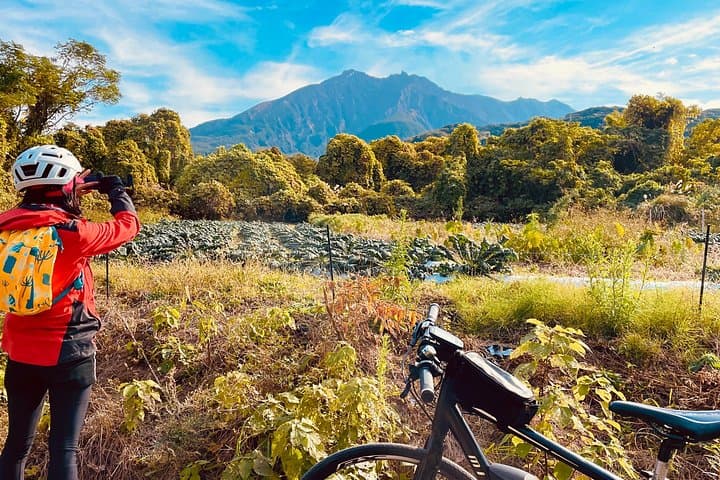
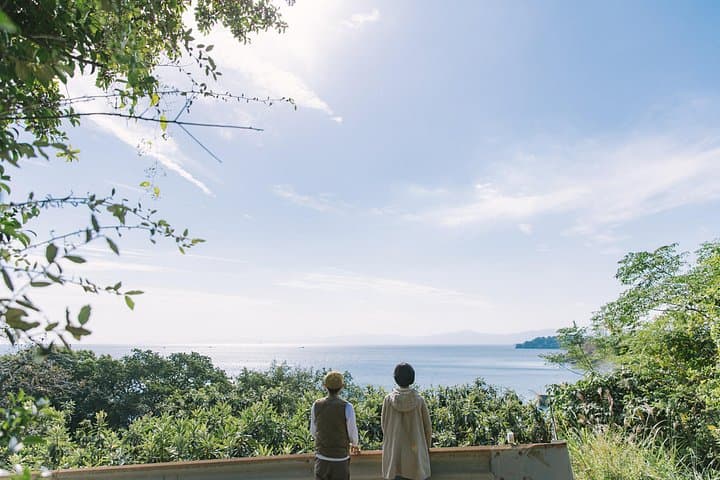
You start on black sand and cooled lava, the sea breathing against a shoreline shaped by eruptions. Pedaling away from the ferry dock, the volcano looms—smoldering domes and frequent steam plumes—while small groves of mandarin trees and low vegetable plots hug the roads. Wind carries citrus and the faint grit of volcanic ash; the island feels alive and practical at once.
Verified experiences and guided adventures in the surrounding area.
Operated by Volcano Life Journey · Kagoshima, Kagoshima Prefecture
You start on black sand and cooled lava, the sea breathing against a shoreline shaped by eruptions. Pedaling away from the ferry dock, the volcano looms—smoldering domes and frequent steam plumes—while small groves of mandarin trees and low vegetable plots hug the roads. Wind carries citrus and the faint grit of volcanic ash; the island feels alive and practical at once.
Sakurajima was an island until the huge 1914 eruption linked it to the Ōsumi Peninsula. Its soil is volcanic—rich, coarse, and quick-draining—which explains the oddly fertile patches where giant daikon and tiny satsuma mandarins thrive. Locals adapted farming and fishing to the rhythm of periodic ash, turning hazard into harvest.
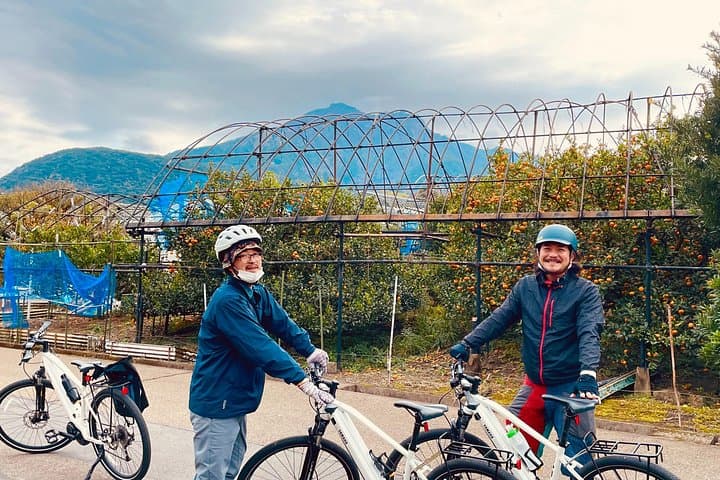
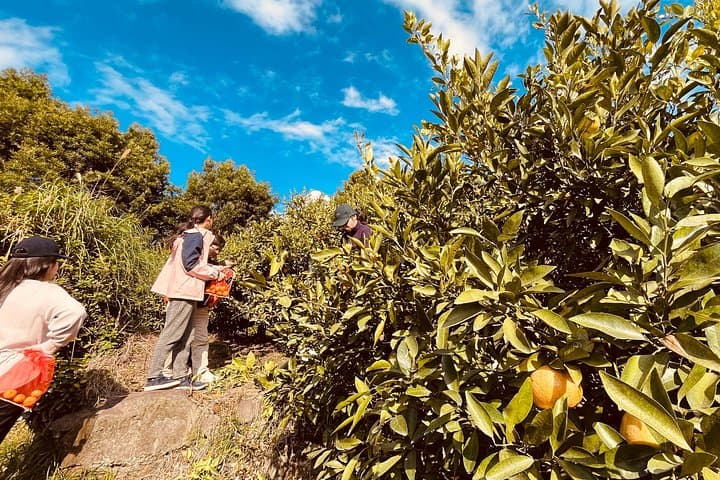
On this guided ride you visit working farms, see radishes and mandarins when in season, and may even pick fruit or try a hands-on harvest. The terrain is mostly paved coastal and lowland lanes with short, punchy climbs—ideal for a steady recreational cyclist. Group sizes are small, and the guide provides local context about cultivation, volcanic activity, and daily life on an active volcano.
Practical notes: plan for 2–4 hours, bring layered clothing for sudden wind or ash, and wear closed-toe shoes for basic farm sections. Hydrate; summer is humid, and fall offers the best fruit-picking window. Check eruption advisories the morning of your ride and follow your guide's advice—ash falls are routine and manageable with simple eye and mask protection. This is a cultural, agricultural ride as much as a cycling loop—expect learning, hands-on stops, and close-up views of Sakurajima’s elemental landscape.
moderate.
2–4 hours.
Moderate fitness: comfortable on a bike for a few hours with short climbs and quick stops
No advanced skills are needed; basic bike handling and the ability to ride for up to four hours at a steady pace are sufficient.
The tour includes use of a bicycle; check whether helmets are supplied or bring your own—many operators require them.
Yes when in season—harvesting depends on timing and location, and the guide will explain any rules or fees for picking.
Guides monitor local advisories; tours may be canceled or rerouted for safety and you’ll be offered refund or rescheduling per the operator’s policy.
Sakurajima’s massive 1914 eruption permanently connected it to the mainland; that event reshaped local agriculture and settlement patterns.
Stay on roads and guided paths to avoid trampling fragile soils and farmlands; follow local rules about picking and waste to protect small island ecosystems.
Volcano Life Journey operates guided outdoor trips and adventures with an emphasis on safety, stewardship, and memorable experiences.
You start on black sand and cooled lava, the sea breathing against a shoreline shaped by eruptions. Pedaling away from the ferry dock, the volcano looms—smoldering domes and frequent steam plumes—while small groves of mandarin trees and low vegetable plots hug the roads. Wind carries citrus and the faint grit of volcanic ash; the island feels alive and practical at once.
You start on black sand and cooled lava, the sea breathing against a shoreline shaped by eruptions. Pedaling away from the ferry dock, the volcano looms—smoldering domes and frequent steam plumes—while small groves of mandarin trees and low vegetable plots hug the roads. Wind carries citrus and the faint grit of volcanic ash; the island feels alive and practical at once.
Sakurajima was an island until the huge 1914 eruption linked it to the Ōsumi Peninsula. Its soil is volcanic—rich, coarse, and quick-draining—which explains the oddly fertile patches where giant daikon and tiny satsuma mandarins thrive. Locals adapted farming and fishing to the rhythm of periodic ash, turning hazard into harvest.
On this guided ride you visit working farms, see radishes and mandarins when in season, and may even pick fruit or try a hands-on harvest. The terrain is mostly paved coastal and lowland lanes with short, punchy climbs—ideal for a steady recreational cyclist. Group sizes are small, and the guide provides local context about cultivation, volcanic activity, and daily life on an active volcano.
Practical notes: plan for 2–4 hours, bring layered clothing for sudden wind or ash, and wear closed-toe shoes for basic farm sections. Hydrate; summer is humid, and fall offers the best fruit-picking window. Check eruption advisories the morning of your ride and follow your guide's advice—ash falls are routine and manageable with simple eye and mask protection. This is a cultural, agricultural ride as much as a cycling loop—expect learning, hands-on stops, and close-up views of Sakurajima’s elemental landscape.