THE ADVENTURE COLLECTIVE® · Independent discovery and booking for outdoor travel

Taste Saijo’s famed sakes, wander Takehara’s preserved Edo streets, then cross the scenic Shimanami Kaido to a wellness-focused Hakko Park. This full-day tour blends brewing craft, coastal panoramas, and hands-on cultural experiences.
Taste Saijo’s famed sakes, wander Takehara’s preserved Edo streets, then cross the scenic Shimanami Kaido to a wellness-focused Hakko Park. This full-day tour blends brewing craft, coastal panoramas, and hands-on cultural experiences.
Morning light slices across the Seto Inland Sea as your car detaches from Hiroshima’s city hum and threads toward Saijo’s low red-brick chimneys. The air here carries warm rice and steam; breweries hum with practiced motion and centuries of craft. By midday you’re wandering Takehara’s narrow lanes—white-plastered merchant houses framing quiet shrines—then crossing the Shimanami Kaido where the Innoshima Bridge lifts the sea like a held breath, revealing islands that dare you to slow down.
Verified experiences and guided adventures in the surrounding area.
Operated by LironGuidesHiroshima · Hiroshima, Hiroshima Prefecture
Morning light slices across the Seto Inland Sea as your car detaches from Hiroshima’s city hum and threads toward Saijo’s low red-brick chimneys. The air here carries warm rice and steam; breweries hum with practiced motion and centuries of craft. By midday you’re wandering Takehara’s narrow lanes—white-plastered merchant houses framing quiet shrines—then crossing the Shimanami Kaido where the Innoshima Bridge lifts the sea like a held breath, revealing islands that dare you to slow down.
This route follows real history: Saijo grew along the Edo-era Saigoku Kaido, becoming Japan’s sake hub through skilled artisans and accessible water. Takehara’s salt economy built the merchant houses you’ll see; its preservation district keeps Edo-period urban form intact. Geologically, the Seto Inland Sea is a calm archipelago carved by sea-level change and island volcanism, now stitched by modern bridges that double as viewpoints.
Cultural highlights pair tasting with context—master brewers explain koji and cold fermentation—and wellness-minded exhibits on Innoshima contrast industrial heritage with modern enzyme fermentation. Local vendors still sell seasonal pickles and handcrafted ceramics; cash is common in smaller shops.
Practical guidance: this is a full 8–9 hour day with seated transfers; wear comfortable walking shoes for cobbles and park paths, carry a light rain layer and a reusable bottle. Expect moderate walking at each stop, guided tastings that vary by brewery, and opportunities to buy limited-edition sake and fermented goods. Timing favors clear weather for the best island views—plan photography stops on the Shimanami crossings and keep a spare bag for purchases.
easy.
8–9 hours.
Suitable for most fitness levels; expect several short walks and standing during tastings
Expect several short walks (5–20 minutes) at each stop—cobblestones and stairs are common but not extensive; overall the day is low-impact.
Yes—brewer guides explain styles and flavors; you can sip smaller pours and ask questions about production and pairing.
Yes—an authentic Teishoku set lunch in Takehara is part of the itinerary, offering seasonal, balanced dishes.
Yes—air-conditioned private vehicle transport with pickup and drop-off is included in the full-day tour.
The tour follows historic trade and transport routes: Saijo developed around Edo-era highways and water sources for brewing, while Takehara’s salt trade funded its merchant architecture.
Visitor volume is managed in preservation districts; support local conservation by staying on marked streets, avoiding flash photography in shrines, and buying locally made products.
LironGuidesHiroshima operates guided outdoor trips and adventures with an emphasis on safety, stewardship, and memorable experiences.
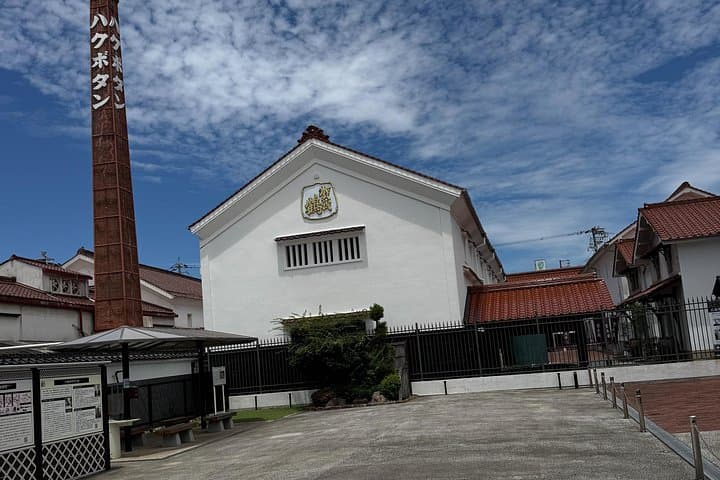
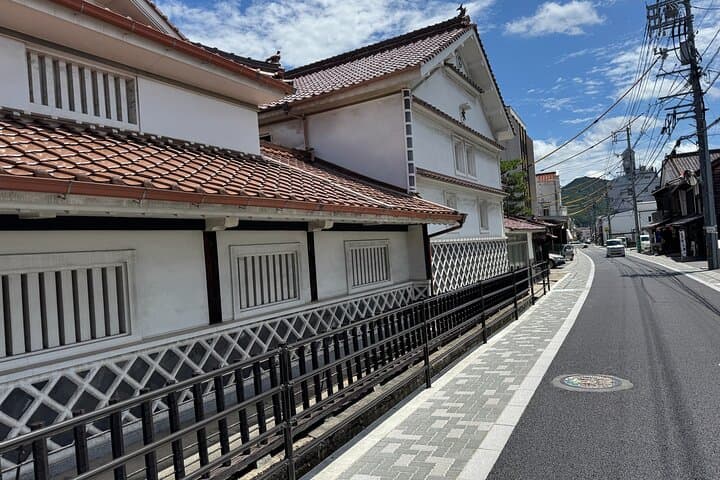
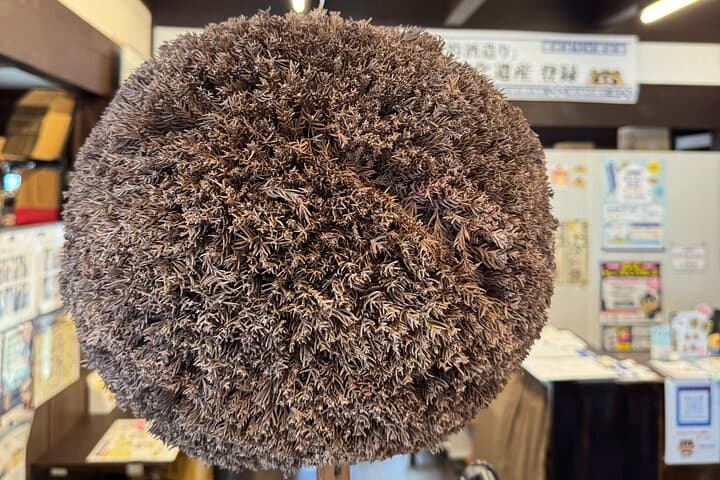
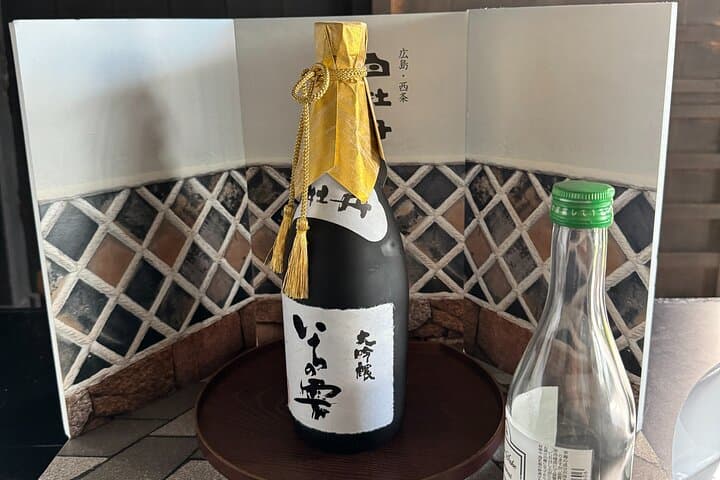
Morning light slices across the Seto Inland Sea as your car detaches from Hiroshima’s city hum and threads toward Saijo’s low red-brick chimneys. The air here carries warm rice and steam; breweries hum with practiced motion and centuries of craft. By midday you’re wandering Takehara’s narrow lanes—white-plastered merchant houses framing quiet shrines—then crossing the Shimanami Kaido where the Innoshima Bridge lifts the sea like a held breath, revealing islands that dare you to slow down.
Morning light slices across the Seto Inland Sea as your car detaches from Hiroshima’s city hum and threads toward Saijo’s low red-brick chimneys. The air here carries warm rice and steam; breweries hum with practiced motion and centuries of craft. By midday you’re wandering Takehara’s narrow lanes—white-plastered merchant houses framing quiet shrines—then crossing the Shimanami Kaido where the Innoshima Bridge lifts the sea like a held breath, revealing islands that dare you to slow down.
This route follows real history: Saijo grew along the Edo-era Saigoku Kaido, becoming Japan’s sake hub through skilled artisans and accessible water. Takehara’s salt economy built the merchant houses you’ll see; its preservation district keeps Edo-period urban form intact. Geologically, the Seto Inland Sea is a calm archipelago carved by sea-level change and island volcanism, now stitched by modern bridges that double as viewpoints.
Cultural highlights pair tasting with context—master brewers explain koji and cold fermentation—and wellness-minded exhibits on Innoshima contrast industrial heritage with modern enzyme fermentation. Local vendors still sell seasonal pickles and handcrafted ceramics; cash is common in smaller shops.
Practical guidance: this is a full 8–9 hour day with seated transfers; wear comfortable walking shoes for cobbles and park paths, carry a light rain layer and a reusable bottle. Expect moderate walking at each stop, guided tastings that vary by brewery, and opportunities to buy limited-edition sake and fermented goods. Timing favors clear weather for the best island views—plan photography stops on the Shimanami crossings and keep a spare bag for purchases.