THE ADVENTURE COLLECTIVE® · Independent discovery and booking for outdoor travel

Taste three wines across two classified Saint-Émilion châteaux on a focused one-hour tour. Learn about the region’s limestone soils, cellar methods, and what makes Grand Cru wines distinct while enjoying vineyard panoramas and small-group commentary.
Taste three wines across two classified Saint-Émilion châteaux on a focused one-hour tour. Learn about the region’s limestone soils, cellar methods, and what makes Grand Cru wines distinct while enjoying vineyard panoramas and small-group commentary.
Stone lanes open to a broad sweep of vine rows; the air carries a faint, tannic promise as visitors step into a panorama of limestone terraces. This one-hour tour threads two distinct Saint-Émilion châteaux, moving from vat cellars to barrel rooms and out to a tasting room that looks over the parcels that make the region’s Grand Cru reputation.
Verified experiences and guided adventures in the surrounding area.
Operated by Château La Croizille · Saint-Émilion, Gironde
Stone lanes open to a broad sweep of vine rows; the air carries a faint, tannic promise as visitors step into a panorama of limestone terraces. This one-hour tour threads two distinct Saint-Émilion châteaux, moving from vat cellars to barrel rooms and out to a tasting room that looks over the parcels that make the region’s Grand Cru reputation.
Saint-Émilion’s vineyards sit on Jurassic limestone and clay-sand soils carved over millennia—rock that shapes drainage and vine vigor and gives the wines their savory structure. The town itself is medieval, with stone merchants’ houses and a culture built historically around viticulture and trade. Hosts explain grape varieties, local pruning and aging techniques, and how classification (like Grand Cru Classé) reflects both terroir and cellar work.
Practical details are concise: the shared tour lasts about 60 minutes, serves three wines (two labeled Saint-Émilion Grand Cru), accepts mobile tickets, and limits groups to around ten. Paths are level; properties report wheelchair and stroller accessibility. Expect cellar aromas—oak, yeast, earth—and a short walk between buildings and viewpoints with sun exposure.
Plan to arrive 10–15 minutes early, bring a light jacket for cool cellars, and refrain from heavy scents that interfere with tasting. Questions about production methods and vintage differences are welcome; guides tailor commentary to the group. For those wanting deeper context, combine this stop with a walking tour of Saint-Émilion’s historic center or additional tastings at neighboring domaines.
easy.
1 hour.
Suitable for most travelers; involves short, level walks between buildings and viewpoints.
Yes—this tour includes guided visits of two châteaux, cellars, and a tasting of three wines (including two Saint-Émilion Grand Cru).
Properties state they are wheelchair and stroller accessible; notify the operator of any mobility needs when booking to confirm specifics.
The listed language is French; Spanish, German and Portuguese may be available on request—call ahead to confirm a guide in your preferred language.
Full refunds are available for cancellations made at least 24 hours before departure; last-minute cancellations are generally non-refundable.
Saint-Émilion developed around a monastic foundation in the 8th century; its medieval streets and classification system grew alongside a long tradition of winemaking on limestone soils.
Many domaines practice soil conservation, cover cropping and careful water use to protect the fragile limestone terroir; visitors are encouraged to minimize waste and respect vineyard boundaries.
Château La Croizille operates guided outdoor trips and adventures with an emphasis on safety, stewardship, and memorable experiences.
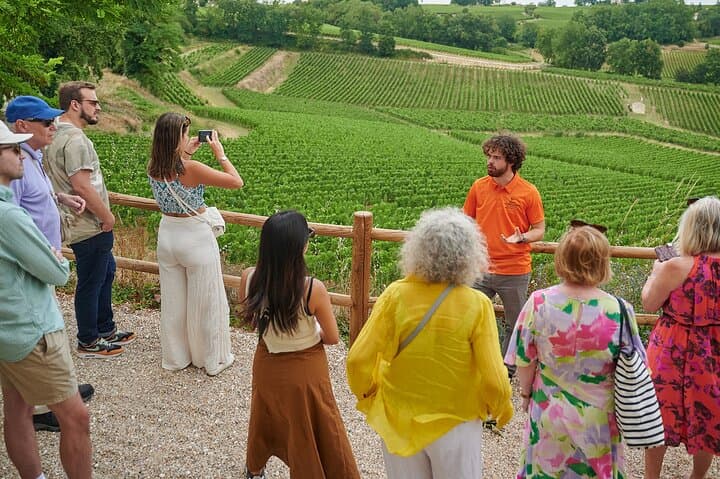
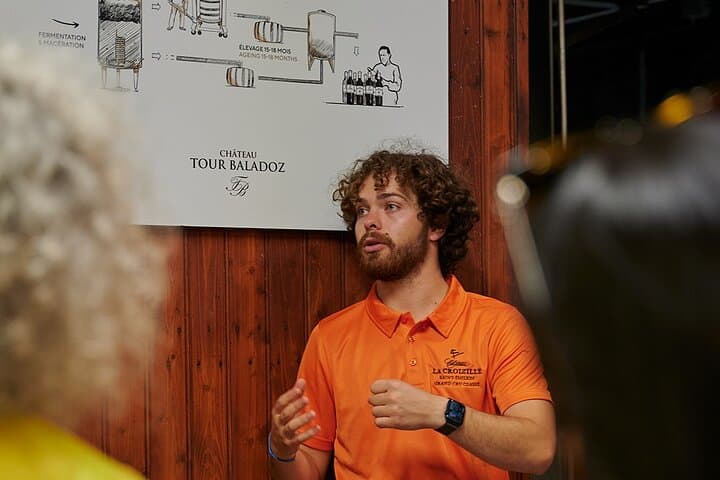
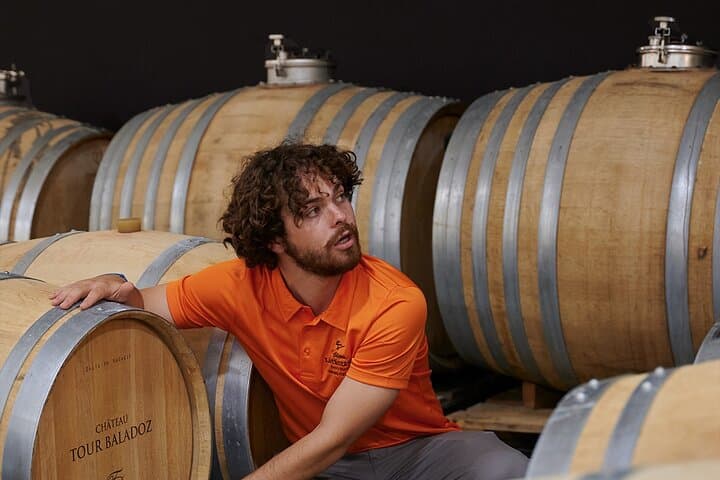
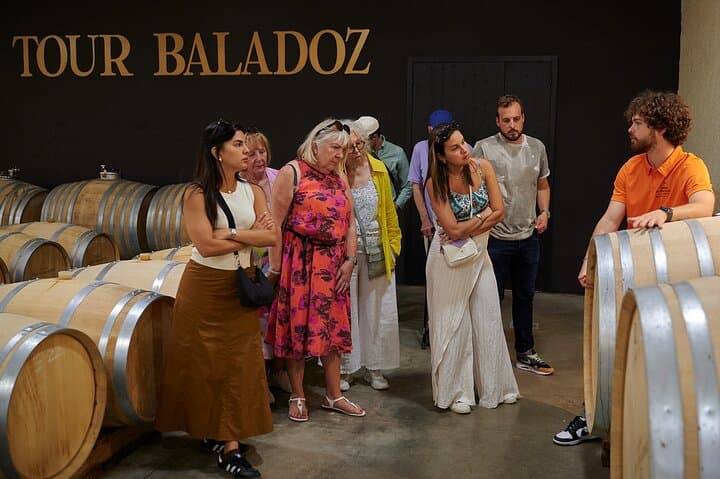
Stone lanes open to a broad sweep of vine rows; the air carries a faint, tannic promise as visitors step into a panorama of limestone terraces. This one-hour tour threads two distinct Saint-Émilion châteaux, moving from vat cellars to barrel rooms and out to a tasting room that looks over the parcels that make the region’s Grand Cru reputation.
Stone lanes open to a broad sweep of vine rows; the air carries a faint, tannic promise as visitors step into a panorama of limestone terraces. This one-hour tour threads two distinct Saint-Émilion châteaux, moving from vat cellars to barrel rooms and out to a tasting room that looks over the parcels that make the region’s Grand Cru reputation.
Saint-Émilion’s vineyards sit on Jurassic limestone and clay-sand soils carved over millennia—rock that shapes drainage and vine vigor and gives the wines their savory structure. The town itself is medieval, with stone merchants’ houses and a culture built historically around viticulture and trade. Hosts explain grape varieties, local pruning and aging techniques, and how classification (like Grand Cru Classé) reflects both terroir and cellar work.
Practical details are concise: the shared tour lasts about 60 minutes, serves three wines (two labeled Saint-Émilion Grand Cru), accepts mobile tickets, and limits groups to around ten. Paths are level; properties report wheelchair and stroller accessibility. Expect cellar aromas—oak, yeast, earth—and a short walk between buildings and viewpoints with sun exposure.
Plan to arrive 10–15 minutes early, bring a light jacket for cool cellars, and refrain from heavy scents that interfere with tasting. Questions about production methods and vintage differences are welcome; guides tailor commentary to the group. For those wanting deeper context, combine this stop with a walking tour of Saint-Émilion’s historic center or additional tastings at neighboring domaines.