THE ADVENTURE COLLECTIVE® · Independent discovery and booking for outdoor travel

Perched at the foot of Mount Sinai, Saint Catherine’s Monastery pairs austere desert scenery with an unparalleled manuscript collection and layered history. This practical guide covers what to expect on a full-day visit from Sharm El Sheikh — logistics, historical highlights, and sensible packing tips.
Perched at the foot of Mount Sinai, Saint Catherine’s Monastery pairs austere desert scenery with an unparalleled manuscript collection and layered history. This practical guide covers what to expect on a full-day visit from Sharm El Sheikh — logistics, historical highlights, and sensible packing tips.
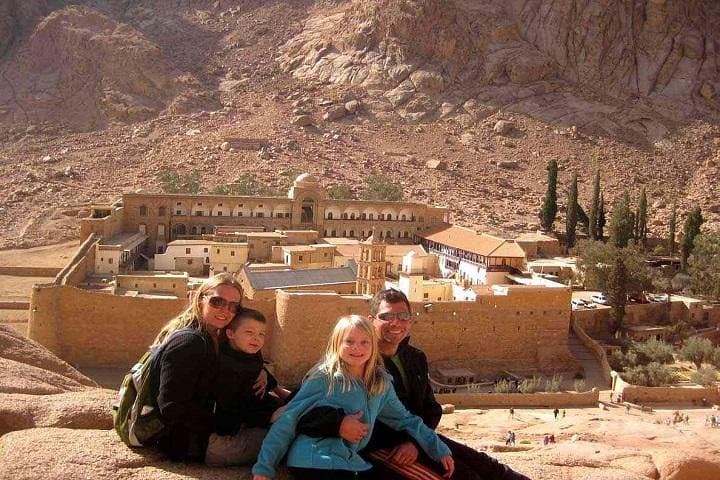
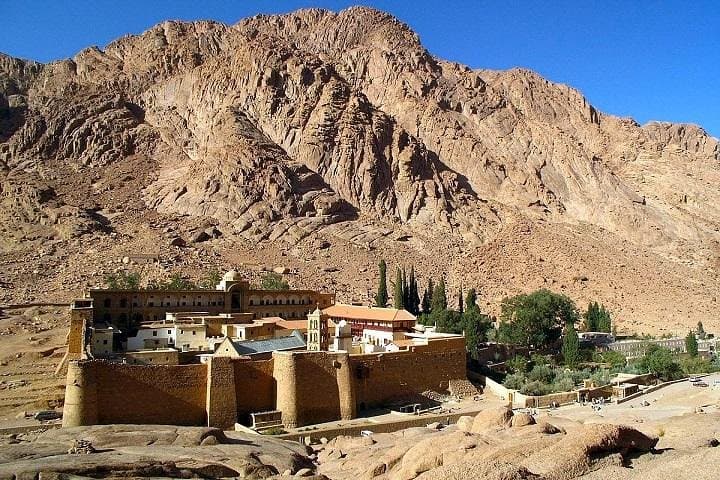
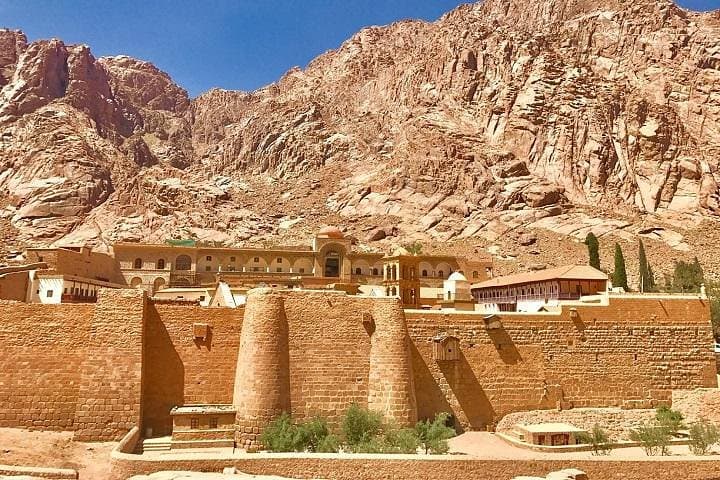
A low, ochre ridge opens into a wide desert bowl as the road drops toward the monastery; wind scrapes the stone and the first domes of the basilica appear like a small, stubborn town at the foot of Mount Sinai. Arriving by morning light, you feel the monastery’s layered history before you reach the gate: Byzantine walls, a minaret set within the compound, and the hush of centuries-old chants that still echo in the basilica.
Verified experiences and guided adventures in the surrounding area.
Operated by Oman Day Tours · Saint Catherine, South Sinai Governorate
A low, ochre ridge opens into a wide desert bowl as the road drops toward the monastery; wind scrapes the stone and the first domes of the basilica appear like a small, stubborn town at the foot of Mount Sinai. Arriving by morning light, you feel the monastery’s layered history before you reach the gate: Byzantine walls, a minaret set within the compound, and the hush of centuries-old chants that still echo in the basilica.
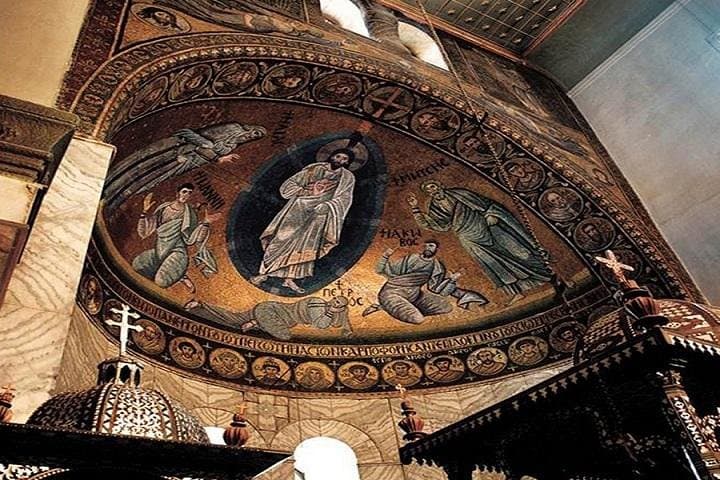
Founded by Emperor Justinian and Empress Theodora between 527–535 AD, the monastery grew into a center of worship and scholarship. Its library — roughly 5,000 books and over 3,000 manuscripts, mostly Greek — is among the world’s most significant after the Vatican. In the Icon Gallery visitors can see a copy of the 7th-century covenant traditionally linked to the Prophet Muhammad and Napoleon’s 1798 letter of protection. The complex bears evidence of many eras: an Ottoman mosque within the walls and Bedouin camps dotting the approach tell of shifting cultures and strategic tolerance.
Practical guidance: tours from Sharm El Sheikh run about 3 hours each way, making a full day (6–8 hours). Expect rocky, uneven surfaces and cobbled courtyards; wear sturdy shoes and modest clothing for religious sites. Bring at least 1–2 liters of water, sun protection, and a light insulating layer—temperatures swing from hot valley days to cool evenings. Photography is generally permitted in exterior and common areas but follow signage and the guide inside sacred spaces. Travelers with spinal, cardiac, or pregnancy concerns should avoid steep climbs; a moderate fitness level keeps the day comfortable.
moderate.
6–8 hours.
Moderate fitness; ability to walk on uneven cobbles and climb short flights of steps is required
Private tours and transfers take about 3 hours each way by road, so the visit is typically a full-day excursion (6–8 hours total).
Yes—modest clothing covering shoulders and knees is required inside the monastery; avoid shorts and sleeveless tops.
The tour provider advises against participation for pregnant travelers and people with significant spinal or cardiovascular conditions due to travel time and uneven terrain.
Photography rules vary by space; exteriors and many common areas are photograph-friendly, but follow signage and guide instructions inside sacred or restricted rooms.
Built in the 6th century by Justinian and Theodora, the site has hosted monks for over 1,400 years and preserves manuscripts and artifacts spanning Byzantine, Islamic, and Ottoman periods.
Visitor numbers are managed to protect fragile manuscripts and stonework; stick to marked paths and avoid flash photography in sensitive interiors to reduce wear and light damage.
Oman Day Tours operates guided outdoor trips and adventures with an emphasis on safety, stewardship, and memorable experiences.
A low, ochre ridge opens into a wide desert bowl as the road drops toward the monastery; wind scrapes the stone and the first domes of the basilica appear like a small, stubborn town at the foot of Mount Sinai. Arriving by morning light, you feel the monastery’s layered history before you reach the gate: Byzantine walls, a minaret set within the compound, and the hush of centuries-old chants that still echo in the basilica.
A low, ochre ridge opens into a wide desert bowl as the road drops toward the monastery; wind scrapes the stone and the first domes of the basilica appear like a small, stubborn town at the foot of Mount Sinai. Arriving by morning light, you feel the monastery’s layered history before you reach the gate: Byzantine walls, a minaret set within the compound, and the hush of centuries-old chants that still echo in the basilica.
Founded by Emperor Justinian and Empress Theodora between 527–535 AD, the monastery grew into a center of worship and scholarship. Its library — roughly 5,000 books and over 3,000 manuscripts, mostly Greek — is among the world’s most significant after the Vatican. In the Icon Gallery visitors can see a copy of the 7th-century covenant traditionally linked to the Prophet Muhammad and Napoleon’s 1798 letter of protection. The complex bears evidence of many eras: an Ottoman mosque within the walls and Bedouin camps dotting the approach tell of shifting cultures and strategic tolerance.
Practical guidance: tours from Sharm El Sheikh run about 3 hours each way, making a full day (6–8 hours). Expect rocky, uneven surfaces and cobbled courtyards; wear sturdy shoes and modest clothing for religious sites. Bring at least 1–2 liters of water, sun protection, and a light insulating layer—temperatures swing from hot valley days to cool evenings. Photography is generally permitted in exterior and common areas but follow signage and the guide inside sacred spaces. Travelers with spinal, cardiac, or pregnancy concerns should avoid steep climbs; a moderate fitness level keeps the day comfortable.