THE ADVENTURE COLLECTIVE® · Independent discovery and booking for outdoor travel

Drive from Brașov to a rare volcanic crater lake at 950 m—walk the shoreline, visit a protected peat bog with sundews, and sample mineral springs in Tușnad. This full‑day small‑group trip blends geology, folklore and easy hiking.
Drive from Brașov to a rare volcanic crater lake at 950 m—walk the shoreline, visit a protected peat bog with sundews, and sample mineral springs in Tușnad. This full‑day small‑group trip blends geology, folklore and easy hiking.
You arrive after a steady drive through Transylvania’s folded hills, the road easing into a ring of dark conifers. The crater’s rim appears first as a break in the trees; then Saint Ana’s Lake opens like a cool pupil at 950 m altitude, its surface reflecting a sky that seems closer here. The air smells faintly of peat and mineral water; the guide points toward fumaroles where the earth still breathes.
Verified experiences and guided adventures in the surrounding area.
Operated by Active Travel Day Tours · Băile Tușnad, Covasna
You arrive after a steady drive through Transylvania’s folded hills, the road easing into a ring of dark conifers. The crater’s rim appears first as a break in the trees; then Saint Ana’s Lake opens like a cool pupil at 950 m altitude, its surface reflecting a sky that seems closer here. The air smells faintly of peat and mineral water; the guide points toward fumaroles where the earth still breathes.
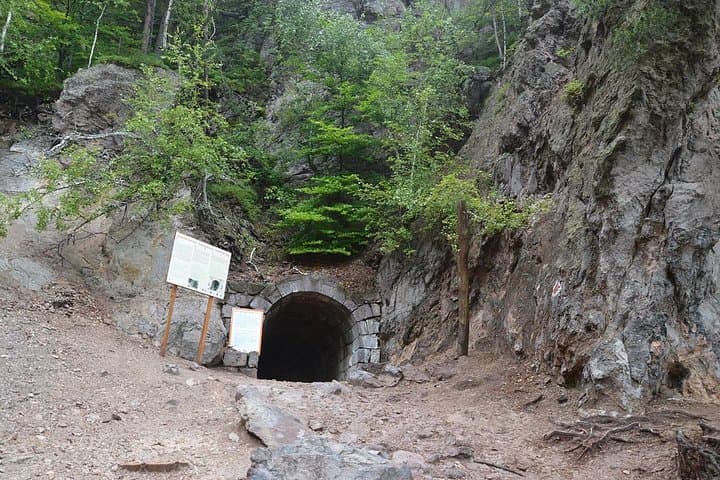
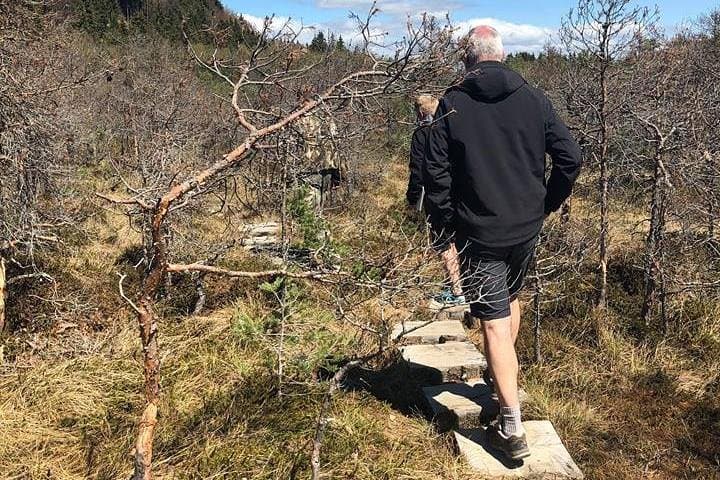
Formed in a volcanic crater some 32,000 years ago, Lacul Sfânta Ana is Romania’s only true volcanic lake. Around its edge a second crater hosts a raised peat bog—home to sundews (Drosera rotundifolia), stunted conifers and rare moss communities—protected and fragile in summer months. The area’s post‑volcanic activity shows in nearby sulphurous vents at Balvanyos: the so‑called Stinky Caves and a locally storied Bird Cemetery where acidic gases shaped the landscape and lore.
After a shoreline walk and a short interpretive stop in the bog (seasonal access), the tour climbs an easy to moderate 30‑minute hill to view fumaroles and learn about local mineral springs. The day often ends in Băile Tușnad, tasting mineral waters that locals believe aid health.
Practical edge: expect 1.5–2 hours driving each way from Brașov, a total day of 8–10 hours, and a short uphill walk on uneven ground. Wear waterproof footwear, layered clothing for changeable mountain weather, and carry water and a rain shell. Respect fenced bog areas, follow your guide’s safety briefing around sulphur vents, and plan this trip for late spring through early autumn for full access to the bog and summertime plant life.
moderate.
8–10 hours.
Suitable for travelers with moderate fitness; involves one short uphill walk (~30 minutes) on uneven terrain and several short walks around the lake and bog.
Expect approximately 1.5–2 hours each way depending on traffic and road conditions.
Access to the peat bog and some boardwalks is seasonal—summer offers the fullest access and plant visibility.
Fumaroles produce low levels of sulphurous gas; guides brief visitors and restrict access to safe viewpoints—children should be closely supervised.
This tour typically includes transport and guiding; bring snacks or check with the operator about optional local meals in Tușnad.
The lake formed in a volcanic crater roughly 32,000 years ago and has been a local landmark in Covasna County for centuries, wrapped in folklore tied to its springs and gases.
The bog and surrounding habitats are sensitive; visitors are asked to stay on trails, avoid collecting plants, and follow guide instructions to minimize erosion and disturbance.
Active Travel Day Tours operates guided outdoor trips and adventures with an emphasis on safety, stewardship, and memorable experiences.
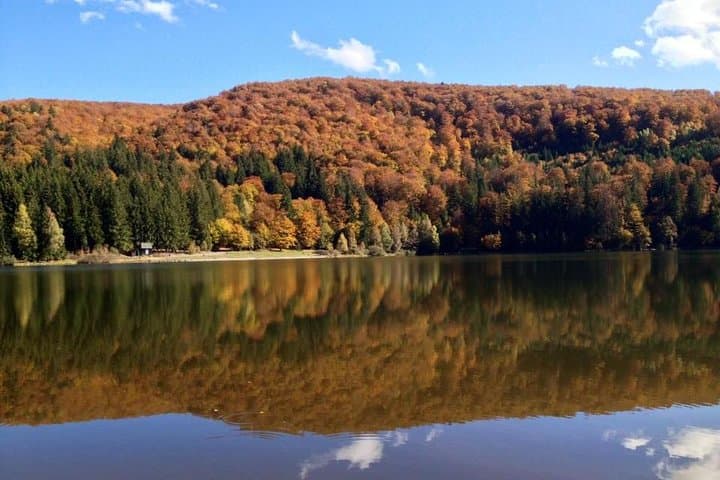
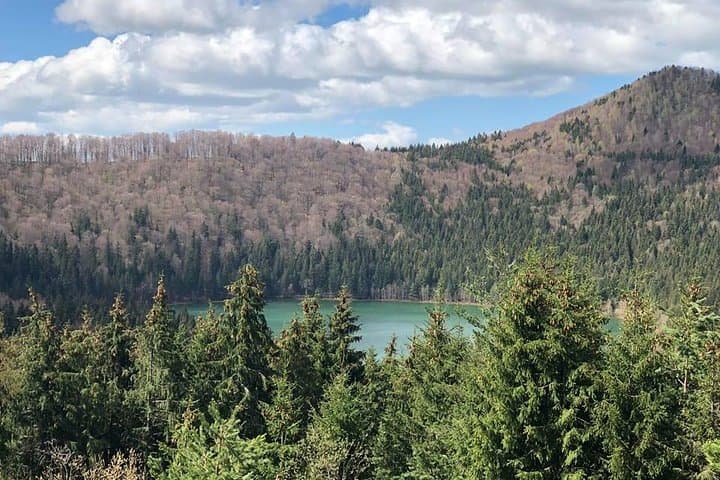
You arrive after a steady drive through Transylvania’s folded hills, the road easing into a ring of dark conifers. The crater’s rim appears first as a break in the trees; then Saint Ana’s Lake opens like a cool pupil at 950 m altitude, its surface reflecting a sky that seems closer here. The air smells faintly of peat and mineral water; the guide points toward fumaroles where the earth still breathes.
You arrive after a steady drive through Transylvania’s folded hills, the road easing into a ring of dark conifers. The crater’s rim appears first as a break in the trees; then Saint Ana’s Lake opens like a cool pupil at 950 m altitude, its surface reflecting a sky that seems closer here. The air smells faintly of peat and mineral water; the guide points toward fumaroles where the earth still breathes.
Formed in a volcanic crater some 32,000 years ago, Lacul Sfânta Ana is Romania’s only true volcanic lake. Around its edge a second crater hosts a raised peat bog—home to sundews (Drosera rotundifolia), stunted conifers and rare moss communities—protected and fragile in summer months. The area’s post‑volcanic activity shows in nearby sulphurous vents at Balvanyos: the so‑called Stinky Caves and a locally storied Bird Cemetery where acidic gases shaped the landscape and lore.
After a shoreline walk and a short interpretive stop in the bog (seasonal access), the tour climbs an easy to moderate 30‑minute hill to view fumaroles and learn about local mineral springs. The day often ends in Băile Tușnad, tasting mineral waters that locals believe aid health.
Practical edge: expect 1.5–2 hours driving each way from Brașov, a total day of 8–10 hours, and a short uphill walk on uneven ground. Wear waterproof footwear, layered clothing for changeable mountain weather, and carry water and a rain shell. Respect fenced bog areas, follow your guide’s safety briefing around sulphur vents, and plan this trip for late spring through early autumn for full access to the bog and summertime plant life.