THE ADVENTURE COLLECTIVE® · Independent discovery and booking for outdoor travel

Spend a day aboard a traditional dhow from Zanzibar to Mnemba Atoll for dolphin encounters, guided snorkeling on coral gardens, and a beach lunch of fresh seafood. This full-day trip mixes easy water activity with marine conservation awareness and coastal culture.
Spend a day aboard a traditional dhow from Zanzibar to Mnemba Atoll for dolphin encounters, guided snorkeling on coral gardens, and a beach lunch of fresh seafood. This full-day trip mixes easy water activity with marine conservation awareness and coastal culture.
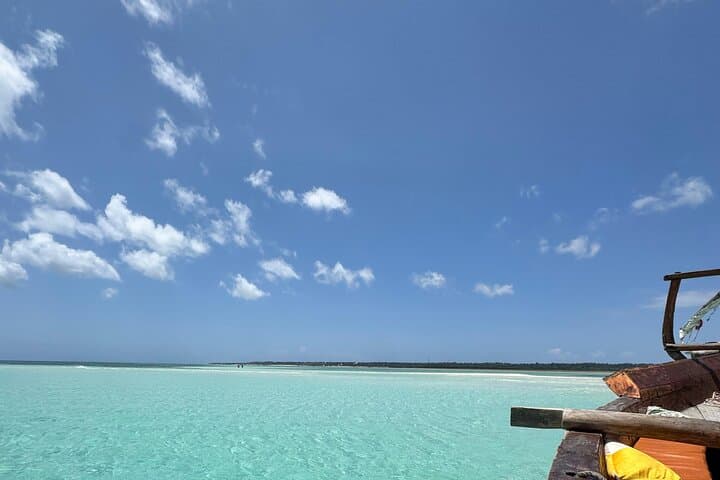
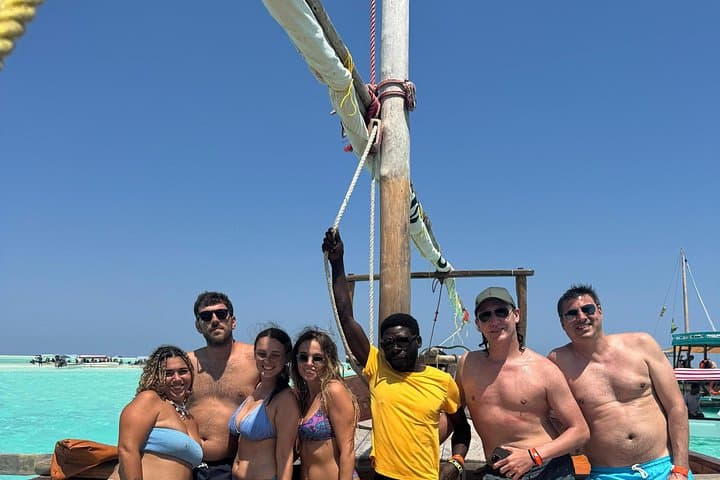
The dhow slips from the harbor and the Indian Ocean opens like a moving horizon, blue-light throwing back at the hull as the crew sets the sails.
Verified experiences and guided adventures in the surrounding area.
Operated by Malaika Zanzibar · Matemwe, Zanzibar
The dhow slips from the harbor and the Indian Ocean opens like a moving horizon, blue-light throwing back at the hull as the crew sets the sails.
Within an hour the shoreline of Unguja thins and the water begins to change—clear, shallow patches of turquoise that dare you to jump in. Dolphins often break the surface ahead, playful and curious, while the dhow banks gently and a lighter breeze pushes you closer to the atoll.
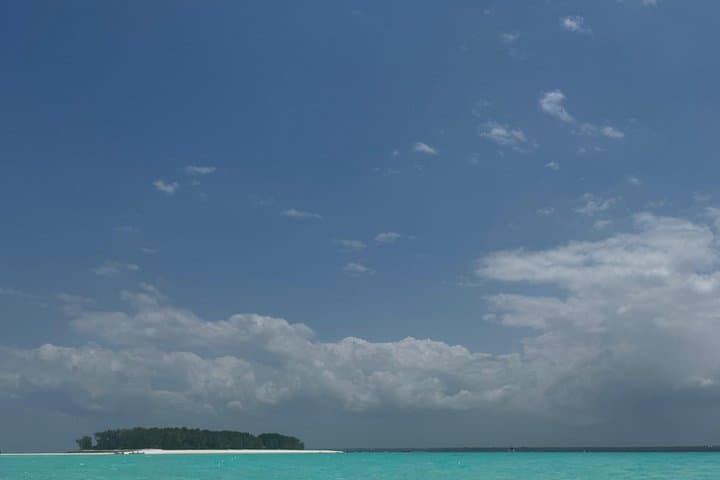
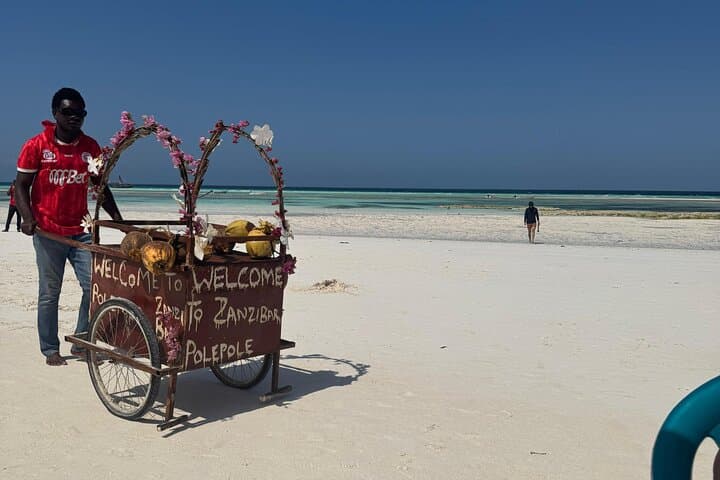
Mnemba sits off Zanzibar’s northeast coast, a small coral ring formed by volcanic uplift and reef growth over millennia. The island and surrounding reef are part of local marine management efforts and sit near communities that have fished and farmed seaweed for generations. Cultural life on nearby Matemwe and the broader Unguja island mixes Swahili coastal customs with Arab and Indian Ocean trading history.
Practically: expect a 6–7 hour day trip, with multiple stopovers for dolphin watching, guided snorkeling over reef gardens, and a beach lunch that typically features locally caught fish and tropical fruit. Snorkel gear is usually provided, but fit and fog-resistant masks make a big difference. Tides determine the landing beach, so timings shift with the day.
Plan for sun, sudden spray, and warm water—bring reef-safe sunscreen, sturdy water shoes, and a waterproof pouch for valuables. Seas can be calm or choppy; if you get seasick, take preventative measures before departure. The trip is accessible for most people in reasonable health and delivers concentrated encounters with coral life and open-water dolphins—purely marine, purely Zanzibar.
easy.
6–7 hours.
Suitable for most people with basic mobility; ability to swim is recommended for snorkeling.
Basic masks, snorkels and fins are typically provided on day trips, but many travelers prefer to use their own snug-fitting masks.
Dolphin encounters are in their natural habitat; boats will approach cautiously and swimming with dolphins depends on local regulations and animal behavior.
Most full-day dhow trips include a seafood lunch, snacks, and bottled water—confirm dietary needs at booking.
No—basic swimming ability is recommended for snorkeling, and flotation aids are usually available for less confident swimmers.
Mnemba and the reefs have long supported local fishing communities; reef management programs now work with villagers to balance livelihoods and protection.
Landing and reserve fees help fund patrols and coral restoration efforts; visitors should follow guides’ briefings to minimize reef contact and disturbance.
Malaika Zanzibar operates guided outdoor trips and adventures with an emphasis on safety, stewardship, and memorable experiences.
The dhow slips from the harbor and the Indian Ocean opens like a moving horizon, blue-light throwing back at the hull as the crew sets the sails.
The dhow slips from the harbor and the Indian Ocean opens like a moving horizon, blue-light throwing back at the hull as the crew sets the sails.
Within an hour the shoreline of Unguja thins and the water begins to change—clear, shallow patches of turquoise that dare you to jump in. Dolphins often break the surface ahead, playful and curious, while the dhow banks gently and a lighter breeze pushes you closer to the atoll.
Mnemba sits off Zanzibar’s northeast coast, a small coral ring formed by volcanic uplift and reef growth over millennia. The island and surrounding reef are part of local marine management efforts and sit near communities that have fished and farmed seaweed for generations. Cultural life on nearby Matemwe and the broader Unguja island mixes Swahili coastal customs with Arab and Indian Ocean trading history.
Practically: expect a 6–7 hour day trip, with multiple stopovers for dolphin watching, guided snorkeling over reef gardens, and a beach lunch that typically features locally caught fish and tropical fruit. Snorkel gear is usually provided, but fit and fog-resistant masks make a big difference. Tides determine the landing beach, so timings shift with the day.
Plan for sun, sudden spray, and warm water—bring reef-safe sunscreen, sturdy water shoes, and a waterproof pouch for valuables. Seas can be calm or choppy; if you get seasick, take preventative measures before departure. The trip is accessible for most people in reasonable health and delivers concentrated encounters with coral life and open-water dolphins—purely marine, purely Zanzibar.