THE ADVENTURE COLLECTIVE® · Independent discovery and booking for outdoor travel

A five‑star Nile cruise from Luxor to Aswan pairs relaxed river travel with guided visits to Karnak, the Valley of the Kings, Edfu, Kom Ombo, Philae and optional Abu Simbel. Expect comfortable nights on board, expert Egyptological commentary, and sun‑lit temple walks.
A five‑star Nile cruise from Luxor to Aswan pairs relaxed river travel with guided visits to Karnak, the Valley of the Kings, Edfu, Kom Ombo, Philae and optional Abu Simbel. Expect comfortable nights on board, expert Egyptological commentary, and sun‑lit temple walks.
Dawn lifts a cool haze off the Nile as the cruise slips from Luxor’s quay—date palms lean in to watch, and the river itself seems to tug the boat southward. Onboard, a five‑star vessel becomes basecamp: shaded sun decks, steady hull, and a private Egyptologist plotting routes through 3,000 years of stone and sand.
Verified experiences and guided adventures in the surrounding area.
Operated by Pharaohn Tours · Luxor, Luxor Governorate
Dawn lifts a cool haze off the Nile as the cruise slips from Luxor’s quay—date palms lean in to watch, and the river itself seems to tug the boat southward. Onboard, a five‑star vessel becomes basecamp: shaded sun decks, steady hull, and a private Egyptologist plotting routes through 3,000 years of stone and sand.
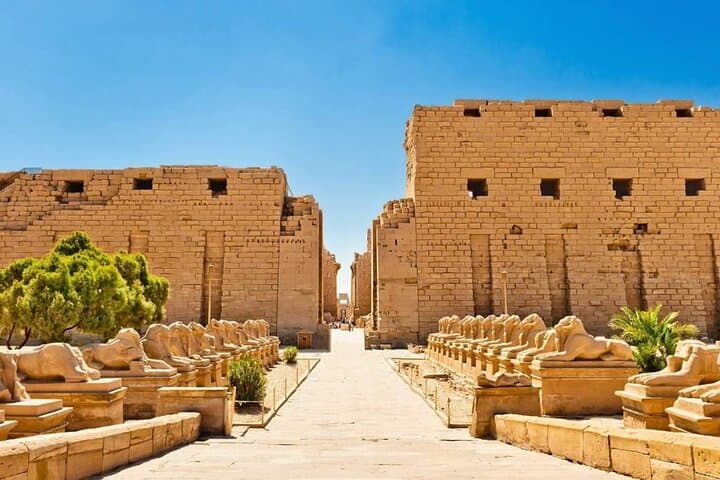
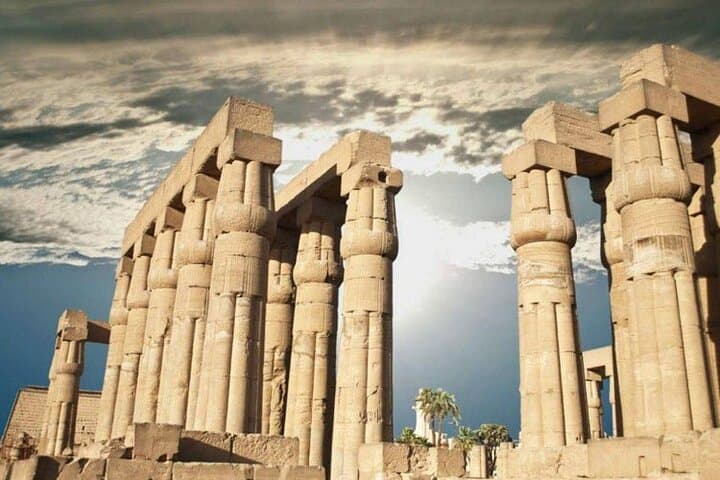
This route threads the heart of Pharaonic Egypt. On the east bank, the Karnak complex and Luxor Temple advertise imperial power in colossi and obelisks. Cross to the west and the Valley of the Kings opens into sandstone cliffs that swallowed royal tombs; nearby, Hatshepsut’s mortuary temple carves terraces into the rock. Further downriver, the Ptolemaic temples at Edfu and Kom Ombo reflect a layered religious world—Kom Ombo even splits worship between crocodile and falcon gods. Aswan anchors the journey with the engineering of the High Dam and the island sanctuary of Philae; Abu Simbel, 285 km south of Aswan, crowns the itinerary with Ramesses II’s monumental façades.
Geology here is straightforward—Nile silt and Nubian sandstone shape abrupt cliffs and fertile banks—and culture is riverborne: village life, market calls, and Nubian craft. Practicalities matter: the cruise includes 4 nights’ accommodation, most meals, private Egyptologist guide, and transfers; optional Abu Simbel add‑on requires an early start or flight.
Plan for exposed sun, dusty sites, and stairs in ancient temples. Bring layered clothing for cool mornings and hot afternoons, carry water, and budget time to move slowly through crowded monuments. The trip marries relaxed river travel with concentrated, on‑foot archaeology—ideal for travelers who want comfort between intensive cultural stops.
easy.
5 days.
Suitable for travelers with basic mobility; involves repeated short walks, stairs, and some uneven surfaces
Abu Simbel is listed as an optional excursion and typically requires an additional transfer or flight and an early morning departure from Aswan.
Excursions involve moderate walking—temple complexes and tombs require stairs and short hikes across uneven ground; most days include a few hours on foot.
Yes—this package includes 4 nights onboard a 5‑star cruise and 4 breakfasts, lunches and dinners as specified in the itinerary.
The cruise is suitable for most fitness levels, but some shore sites have stairs, loose sand, or narrow tomb passages; notify operators in advance for assistance.
Sites on this route span millennia: New Kingdom tombs in the Valley of the Kings, Ptolemaic temples at Edfu and Kom Ombo, and the modern engineering of the Aswan High Dam.
UNESCO‑led relocations (Philae, Abu Simbel) preserved monuments threatened by Lake Nasser; visitors should minimize water use and avoid touching archaeological surfaces.
Pharaohn Tours operates guided outdoor trips and adventures with an emphasis on safety, stewardship, and memorable experiences.
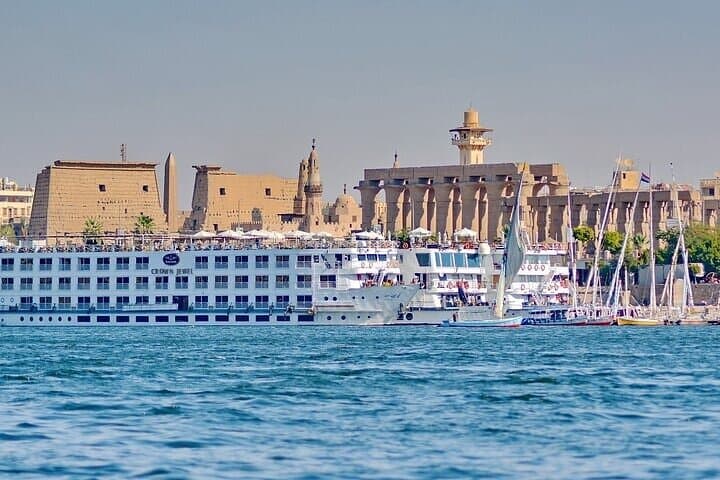
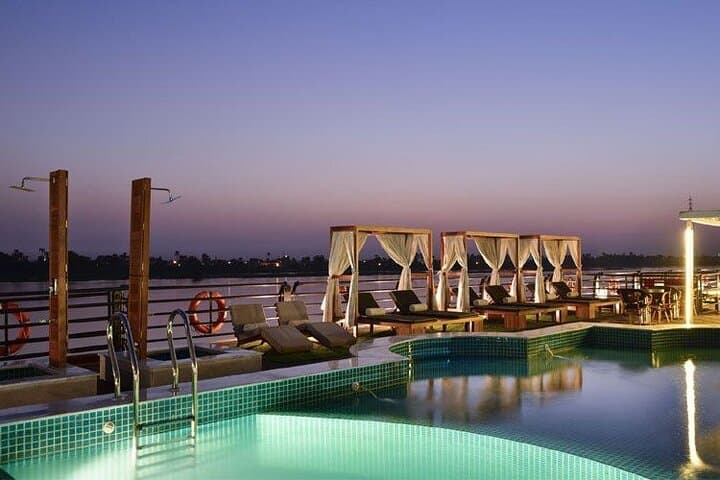
Dawn lifts a cool haze off the Nile as the cruise slips from Luxor’s quay—date palms lean in to watch, and the river itself seems to tug the boat southward. Onboard, a five‑star vessel becomes basecamp: shaded sun decks, steady hull, and a private Egyptologist plotting routes through 3,000 years of stone and sand.
Dawn lifts a cool haze off the Nile as the cruise slips from Luxor’s quay—date palms lean in to watch, and the river itself seems to tug the boat southward. Onboard, a five‑star vessel becomes basecamp: shaded sun decks, steady hull, and a private Egyptologist plotting routes through 3,000 years of stone and sand.
This route threads the heart of Pharaonic Egypt. On the east bank, the Karnak complex and Luxor Temple advertise imperial power in colossi and obelisks. Cross to the west and the Valley of the Kings opens into sandstone cliffs that swallowed royal tombs; nearby, Hatshepsut’s mortuary temple carves terraces into the rock. Further downriver, the Ptolemaic temples at Edfu and Kom Ombo reflect a layered religious world—Kom Ombo even splits worship between crocodile and falcon gods. Aswan anchors the journey with the engineering of the High Dam and the island sanctuary of Philae; Abu Simbel, 285 km south of Aswan, crowns the itinerary with Ramesses II’s monumental façades.
Geology here is straightforward—Nile silt and Nubian sandstone shape abrupt cliffs and fertile banks—and culture is riverborne: village life, market calls, and Nubian craft. Practicalities matter: the cruise includes 4 nights’ accommodation, most meals, private Egyptologist guide, and transfers; optional Abu Simbel add‑on requires an early start or flight.
Plan for exposed sun, dusty sites, and stairs in ancient temples. Bring layered clothing for cool mornings and hot afternoons, carry water, and budget time to move slowly through crowded monuments. The trip marries relaxed river travel with concentrated, on‑foot archaeology—ideal for travelers who want comfort between intensive cultural stops.