THE ADVENTURE COLLECTIVE® · Independent discovery and booking for outdoor travel

Navigate a narrow glacial arm of Nahuel Huapi, step ashore into a dense coihue forest, and follow the sound of Arroyo Frey to a polished rock cascade. This half-day motorboat excursion from Bahía López pairs lake navigation with an easy shore hike and glacier-sketched views of Cerro Tronador.
Navigate a narrow glacial arm of Nahuel Huapi, step ashore into a dense coihue forest, and follow the sound of Arroyo Frey to a polished rock cascade. This half-day motorboat excursion from Bahía López pairs lake navigation with an easy shore hike and glacier-sketched views of Cerro Tronador.
The motorboat slips away from Bahía López with a soft diesel pulse and the lake opens like a cooled blue lung. Trees lean away from the wake; the water dares you with a mirror so deep it can hold the sky. As the boat threads into El Brazo Tristeza—literally the Arm of Sadness—the mountains close in, and on clear mornings the serrated white of Cerro Tronador reads like a map of ancient glaciers.
Verified experiences and guided adventures in the surrounding area.
Operated by Azul Latina Travel · San Carlos de Bariloche, Río Negro
The motorboat slips away from Bahía López with a soft diesel pulse and the lake opens like a cooled blue lung. Trees lean away from the wake; the water dares you with a mirror so deep it can hold the sky. As the boat threads into El Brazo Tristeza—literally the Arm of Sadness—the mountains close in, and on clear mornings the serrated white of Cerro Tronador reads like a map of ancient glaciers.
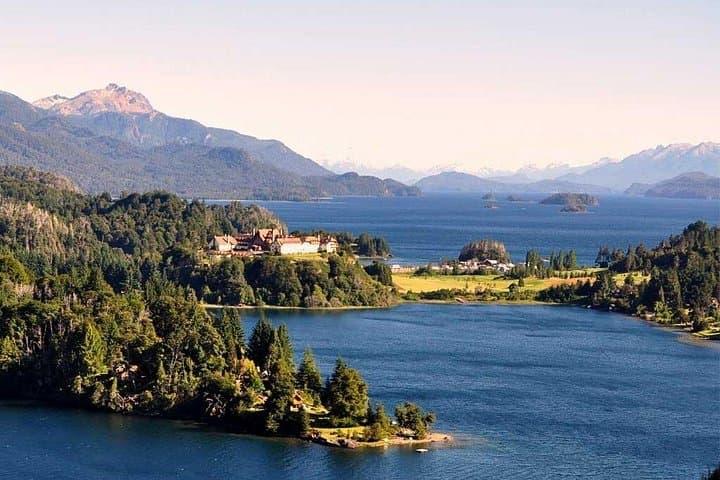
This is less a tourist parade than a short expedition: a navigated fjord, a landing on a stone-strewn shore, and a forest walk to a cascade that keeps time with the seasons. Geologically, Nahuel Huapi is a glacial basin carved by ice scouring and later dammed by moraine flows; the Brazo Tristeza is one of its narrow arms where glacial action left polished channels and plunge pools. Culturally, the lake has long been a crossroads for Mapuche communities and later European settlers; Bariloche’s alpine architecture and chocolate shops grew where lakeside trade and mountain access met.
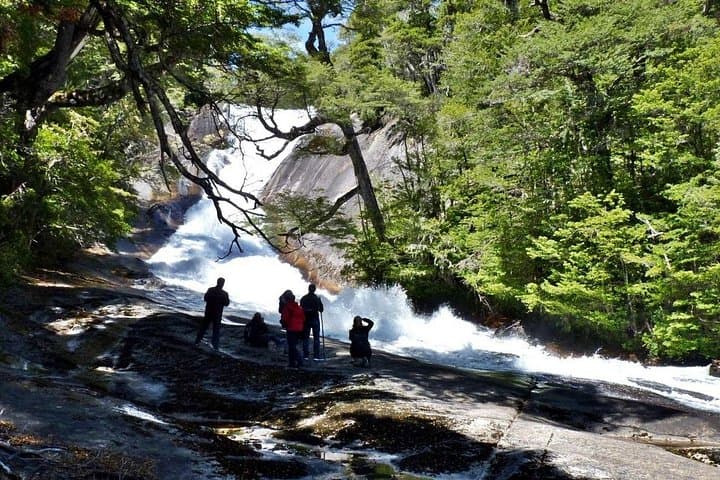
The trail beyond the landing is short—expect roughly 1–2 kilometers round trip over uneven, sometimes slippery rock and earthen trail. Coihue trees and tall caña (bamboo-like cane) form a shaded corridor; moss and lichen claim the rocks. The Arroyo Frey Cascade announces itself before you see it: water negotiating rock wells produces a metallic, hollow sound that varies with snowmelt and rain.
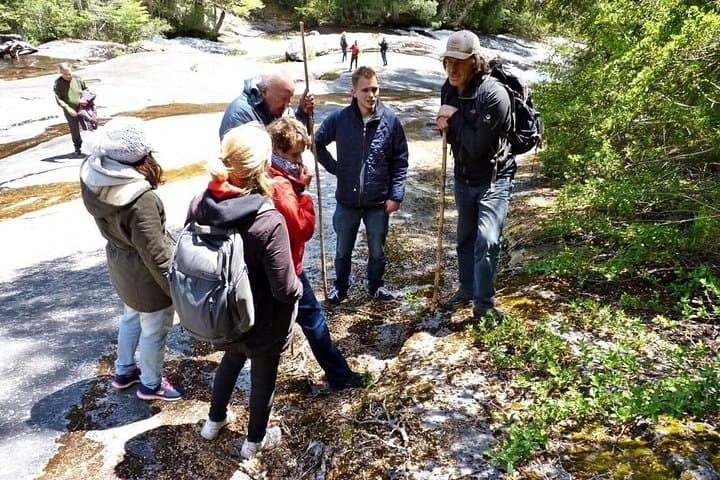
Practical edge: the full experience is about six hours, including pickup from downtown Bariloche, a guided navigation of the arm, and the walk to the waterfall. Guides speak Spanish and English and manage boat logistics; small groups keep the experience intimate (max ~15). Weather can flip—sun to wind-driven rain—so layers are non-negotiable. The boat ride exposes you to reflected UV and spray; waterproof outerwear and secure footwear are essential.
Conservation matters here. The shoreline and forest are fragile; stick to paths, carry out trash, and avoid stepping on algal-covered rocks in stream channels that host aquatic insects. Wildlife can be shy—look for pudú footprints in soft soil and raptors circling thermals above the high ridges.
For photographers, mornings often yield the calmest water and best views of Tronador; late afternoon casts warm side-light across the cascade. Bring binoculars for birding and a water-resistant camera bag. The trip is an efficient mix of boat and footwork—a half-day that feels like a small wilderness detour from Bariloche’s busy Circuito Chico.
easy.
6 hours.
Suitable for most fitness levels; participants should be able to board a small boat and walk 1–2 km over uneven terrain.
From Bahía López to the end of Brazo Tristeza and back the navigation plus landing totals part of the 6-hour tour; expect 60–90 minutes of combined cruising time depending on stops.
No—the walk to Arroyo Frey is short (about 1–2 km round trip) but includes uneven and sometimes slippery rock; basic mobility and good footwear are sufficient.
Yes—professional guides conduct the tour in Spanish and English.
Yes—families with older children who can board a boat and manage the short walk are common; check with the operator about very young children or infants.
Tours operate in most conditions but services are non-refundable if canceled within four days; the operator may alter plans for safety—confirm local policies at booking.
Bring photo ID or passport information as requested at booking; the operator’s booking form asks for passport details, so carry appropriate identification.
The Nahuel Huapi basin combines Mapuche cultural landscapes and later European settlement; the lake’s arms were important travel routes before road access.
Nahuel Huapi’s shorelines are ecologically sensitive—stay on trails, avoid disturbing fauna, and pack out all waste to protect freshwater habitats.
Azul Latina Travel operates guided outdoor trips and adventures with an emphasis on safety, stewardship, and memorable experiences.
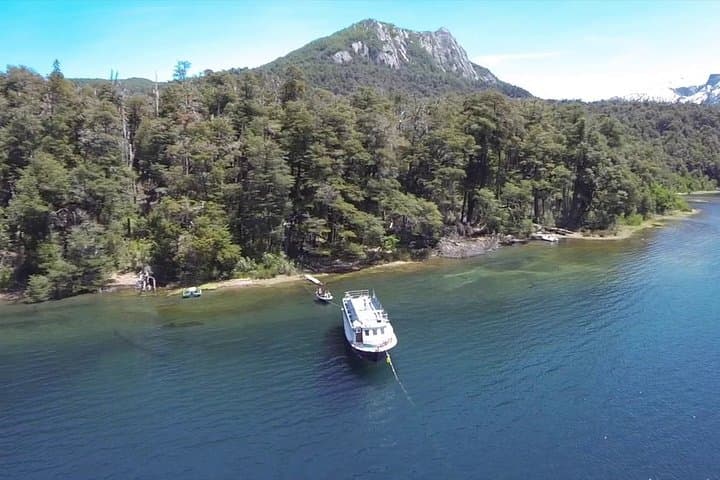
The motorboat slips away from Bahía López with a soft diesel pulse and the lake opens like a cooled blue lung. Trees lean away from the wake; the water dares you with a mirror so deep it can hold the sky. As the boat threads into El Brazo Tristeza—literally the Arm of Sadness—the mountains close in, and on clear mornings the serrated white of Cerro Tronador reads like a map of ancient glaciers.
The motorboat slips away from Bahía López with a soft diesel pulse and the lake opens like a cooled blue lung. Trees lean away from the wake; the water dares you with a mirror so deep it can hold the sky. As the boat threads into El Brazo Tristeza—literally the Arm of Sadness—the mountains close in, and on clear mornings the serrated white of Cerro Tronador reads like a map of ancient glaciers.
This is less a tourist parade than a short expedition: a navigated fjord, a landing on a stone-strewn shore, and a forest walk to a cascade that keeps time with the seasons. Geologically, Nahuel Huapi is a glacial basin carved by ice scouring and later dammed by moraine flows; the Brazo Tristeza is one of its narrow arms where glacial action left polished channels and plunge pools. Culturally, the lake has long been a crossroads for Mapuche communities and later European settlers; Bariloche’s alpine architecture and chocolate shops grew where lakeside trade and mountain access met.
The trail beyond the landing is short—expect roughly 1–2 kilometers round trip over uneven, sometimes slippery rock and earthen trail. Coihue trees and tall caña (bamboo-like cane) form a shaded corridor; moss and lichen claim the rocks. The Arroyo Frey Cascade announces itself before you see it: water negotiating rock wells produces a metallic, hollow sound that varies with snowmelt and rain.
Practical edge: the full experience is about six hours, including pickup from downtown Bariloche, a guided navigation of the arm, and the walk to the waterfall. Guides speak Spanish and English and manage boat logistics; small groups keep the experience intimate (max ~15). Weather can flip—sun to wind-driven rain—so layers are non-negotiable. The boat ride exposes you to reflected UV and spray; waterproof outerwear and secure footwear are essential.
Conservation matters here. The shoreline and forest are fragile; stick to paths, carry out trash, and avoid stepping on algal-covered rocks in stream channels that host aquatic insects. Wildlife can be shy—look for pudú footprints in soft soil and raptors circling thermals above the high ridges.
For photographers, mornings often yield the calmest water and best views of Tronador; late afternoon casts warm side-light across the cascade. Bring binoculars for birding and a water-resistant camera bag. The trip is an efficient mix of boat and footwork—a half-day that feels like a small wilderness detour from Bariloche’s busy Circuito Chico.